MWE Correspondent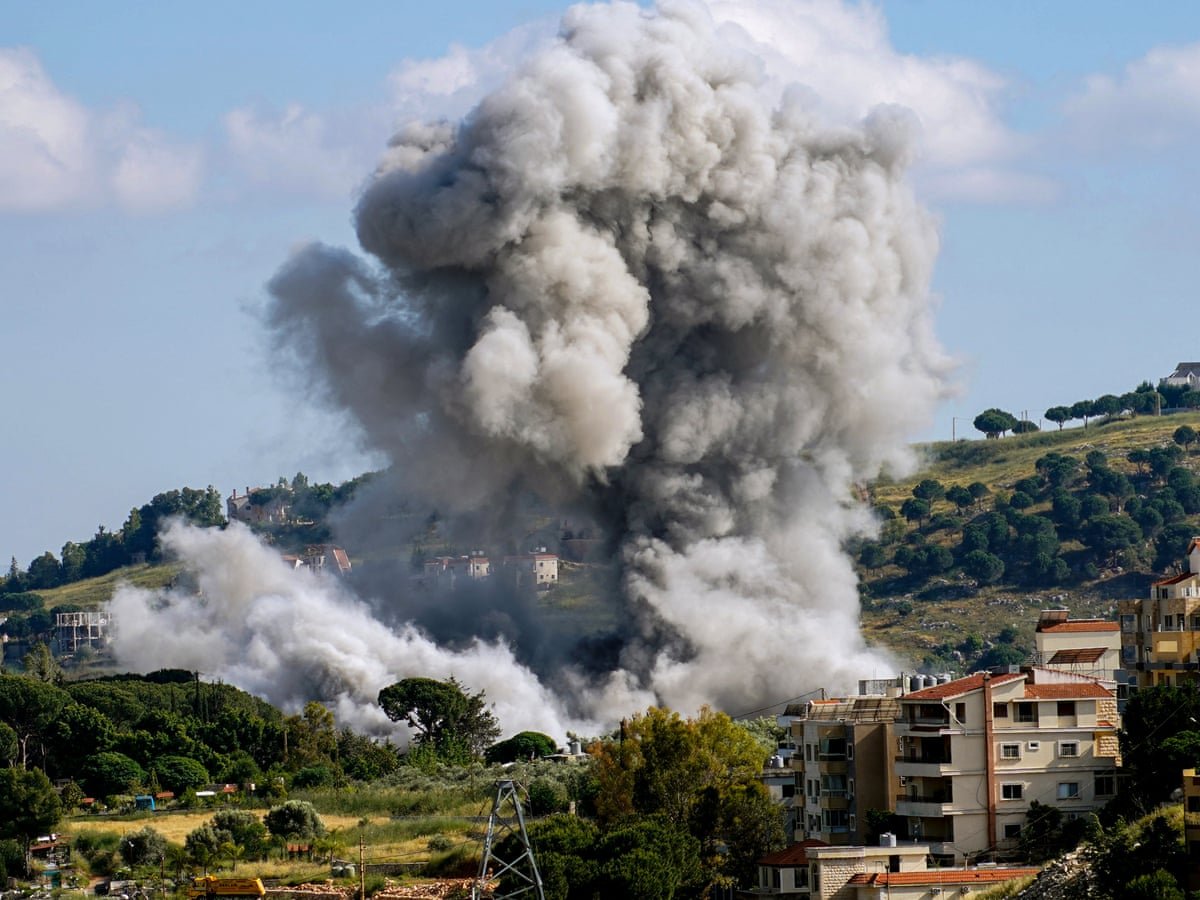
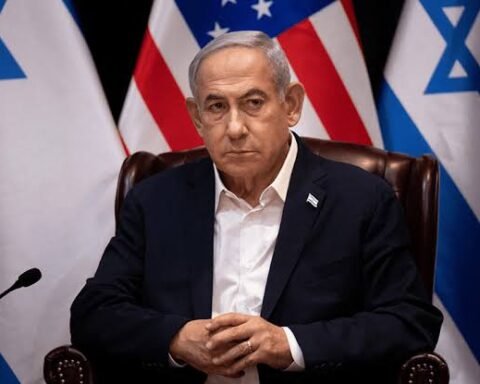
Israeli National Security Minister Itamar Ben Gvir has called for the complete destruction of the Dahiyeh district in southern Beirut, describing it as a central stronghold of Hezbollah during a visit to northern Israel over the weekend.
His remarks come amid escalating hostilities between Israel and Hezbollah, which have intensified since 2 March when Hezbollah launched rocket fire toward northern Israel. The attack followed, according to regional accounts, a period of heightened regional tensions linked to strikes involving the United States and Israel against Iran, a key ally of Hezbollah.
Since the escalation began, Israeli forces have expanded their military operations, including ground maneuvers and the reported seizure of several areas inside southern Lebanon. The ongoing campaign has significantly increased cross-border violence, with both sides sustaining repeated exchanges of fire.
Dahiyeh, a densely populated suburb of Beirut, is widely regarded as a political and military stronghold of Hezbollah. Ben Gvir’s comments have drawn attention due to the area’s civilian population and its strategic importance within Lebanon’s capital region.
Also Read: Iran Rejects Trump Claim on Uranium Deal
The conflict has continued to deepen, with Israeli officials arguing that military operations are necessary to neutralize Hezbollah’s capabilities along the northern frontier. Hezbollah, meanwhile, maintains that its actions are part of resistance against Israeli military pressure and ongoing regional confrontations.
Also Read: Iran Rejects Trump Claim on Uranium Deal
According to regional reporting, Israeli strikes in Lebanon have resulted in significant casualties and widespread displacement. At least 3,350 people have reportedly been killed, while more than one million residents have been forced to flee their homes amid sustained bombardment and ground operations.
Humanitarian organizations have raised concerns over the growing civilian impact of the conflict, warning that infrastructure damage, displacement, and disruption of essential services are worsening conditions across southern Lebanon and parts of Beirut’s suburbs.
International observers continue to call for restraint as fears grow that the confrontation could expand into a broader regional war involving multiple actors aligned with Israel and Hezbollah’s backers.
Diplomatic efforts to contain the conflict remain limited, with no durable ceasefire currently in place. Analysts say the situation remains highly volatile, with both military escalation and political rhetoric contributing to rising tensions.