MWE Correspondent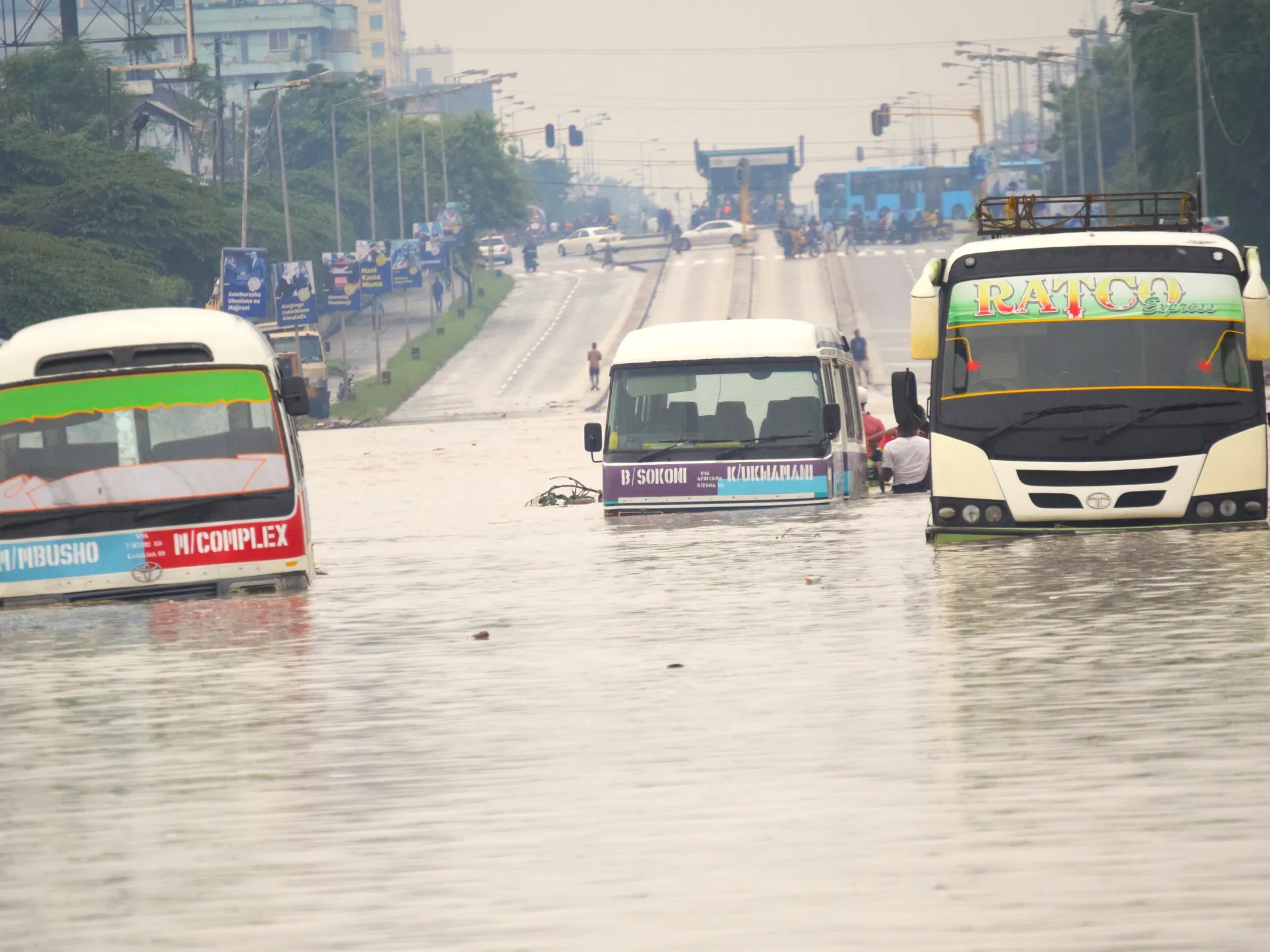
Tanzania is facing one of its most costly infrastructure recovery efforts in recent years after extreme weather events tore through roads, bridges, and drainage systems, leaving communities cut off and trade routes severely disrupted.
The government has confirmed that it has already spent Sh556.93 billion on emergency rehabilitation works covering 81 road and bridge projects under the Contingent Emergency Response Component (CERC) programme. The projects span 22 regions across Mainland Tanzania, reflecting the nationwide scale of destruction caused by the 2023 climate shocks.
The damage was triggered by intense rainfall linked to El Niño conditions, which brought prolonged flooding across large parts of the country. The situation was further worsened by the impact of Cyclone Hidaya, which intensified rainfall patterns and accelerated the collapse of already weakened infrastructure.
For many communities, the effects were immediate and deeply disruptive. Roads that once connected farmers to markets turned into impassable mud corridors. Small bridges collapsed overnight, isolating villages and forcing residents to take long, unsafe detours just to access basic services such as healthcare, food supplies, and schools.
Presenting the Ministry of Works’ Sh2.56 trillion budget estimates for the 2026/27 financial year in Parliament, Works Minister Abdallah Ulega said a nationwide assessment revealed the scale of destruction. According to the report, 63 bridges were damaged, alongside 827 kilometres of roads, 84 kilometres of drainage channels, and 225 culverts spread across 139 districts.
One of the hardest-hit routes was the Dar es Salaam–Lindi highway, a vital economic artery linking the country’s commercial capital to southern regions. During the floods, sections of the highway were submerged or washed away, interrupting transport of goods, delaying travel, and affecting supply chains that depend heavily on consistent road access.
“Entire sections were no longer passable, and recovery had to be prioritised before normal development projects could continue,” Ulega told Parliament, highlighting how emergency reconstruction has reshaped the ministry’s budget priorities.
Also Read; Putin Signals Stronger Russia-China Allianc
He added that the disaster forced the government to redirect funds initially allocated for planned infrastructure expansion into urgent rehabilitation work. This shift, while necessary, has slowed several long-term development projects as resources were channelled toward restoring connectivity and preventing further economic disruption.
Out of the 81 emergency projects underway, 70 valued at approximately Sh414.48 billion are being implemented by local contractors, while 11 projects worth Sh142.45 billion are handled by foreign firms. Officials say this approach has helped speed up response times while also strengthening domestic construction capacity in handling large-scale disaster recovery.
Beyond the numbers, the impact of the disaster continues to be felt in daily life. In rural districts, residents describe long periods of isolation during peak flooding, while transport operators report increased costs due to damaged roads and longer travel routes.
The government says it is now shifting focus toward building more resilient infrastructure capable of withstanding future climate shocks. Plans include stronger drainage systems, reinforced bridges, and improved road design standards aimed at reducing the scale of destruction in future extreme weather events.