 Hassan Magulumali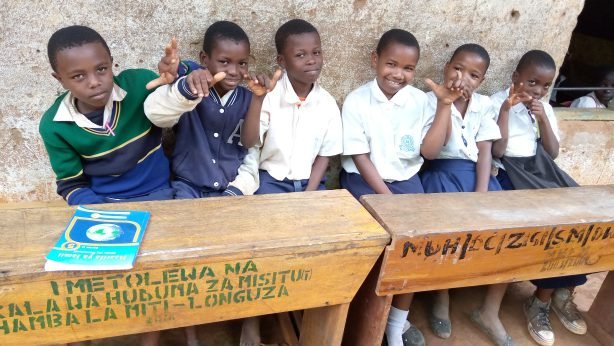
Primary education remains the foundation of social and economic development in any nation, and Tanzania is no exception. Over the past decade, significant progress has been made in expanding access to education through policies such as fee-free primary education and increased investment in school infrastructure. As a result, school enrollment has risen dramatically, giving millions of children the opportunity to attend school who might otherwise have been excluded.
However, alongside these achievements lies an ongoing debate about the quality of education being delivered. While more children are in school than ever before, concerns have been raised about whether learning outcomes are improving at the same pace.
One of the major challenges facing primary schools is overcrowding. In many regions, classrooms contain far more students than the recommended teacher-to-pupil ratio. This makes it difficult for teachers to give individual attention to learners, ultimately affecting comprehension and performance. Education experts argue that access alone is not enough; quality must be prioritized equally.
Read More:From Failure to Progress, Tanzania’s Bold Education Move
Another critical issue is the shortage of teaching and learning materials. Many schools still struggle with insufficient textbooks, teaching aids, desks, and chairs. In rural areas, the situation is even more severe, with some schools lacking basic infrastructure such as adequate classrooms and sanitation facilities. These conditions not only affect learning but also discourage attendance, particularly among girls during menstruation.
Despite these challenges, the government has taken steps to improve the sector, including recruiting new teachers, revising curricula, and investing in teacher training programs. However, stakeholders emphasize that these efforts must be matched with increased funding to ensure sustainable improvements in education quality.
Teacher motivation is another pressing concern. Many teachers work under difficult conditions, including low pay relative to workload, limited housing near schools, and inadequate teaching resources. This can negatively impact morale and ultimately affect student learning outcomes.
In conclusion, while Tanzania has made significant progress in expanding access to primary education, the focus must now shift toward improving quality. Investment in teachers, infrastructure, and learning materials is essential to ensure that the next generation receives an education that truly prepares them for the future.