MWE Correspondent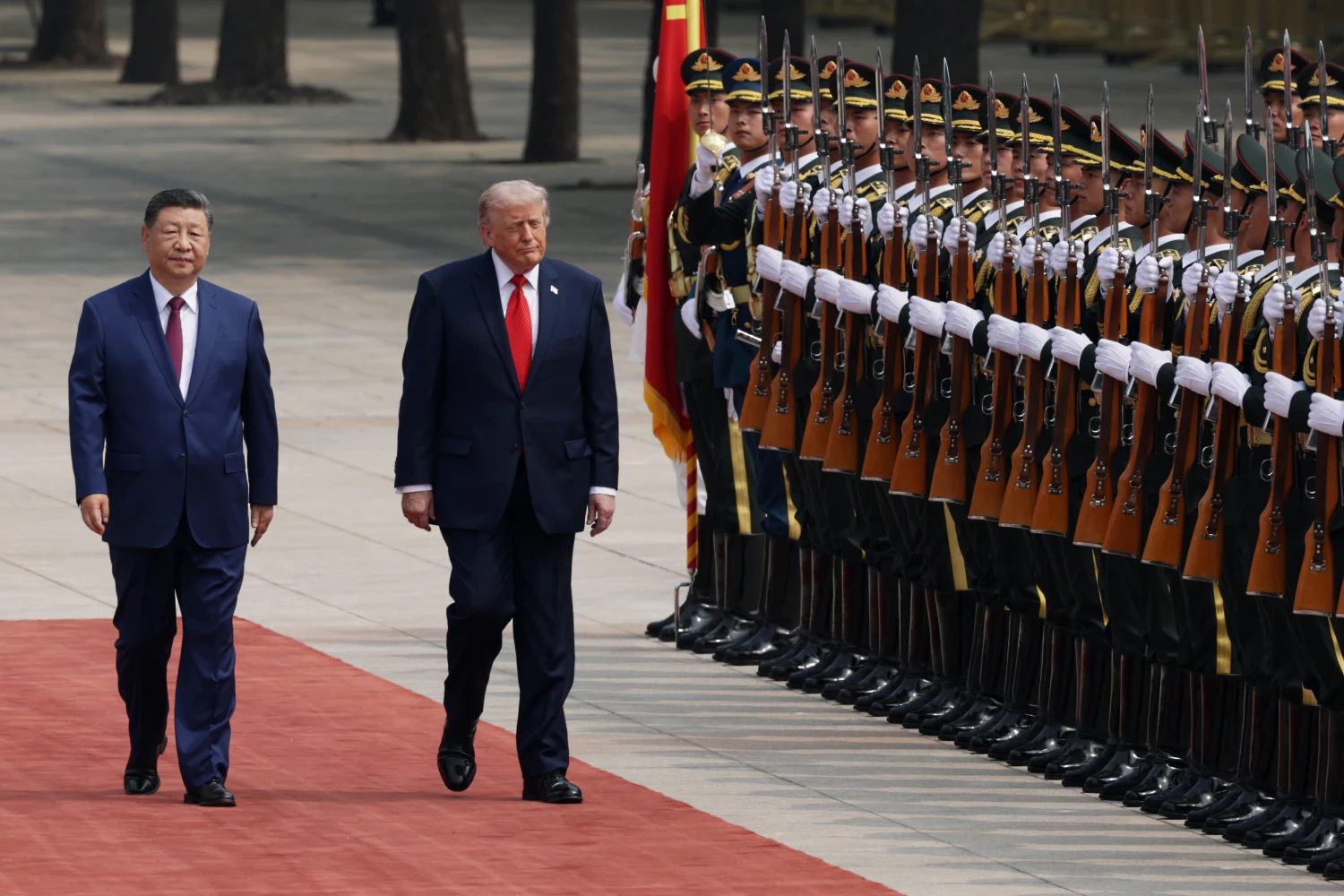
U.S. President Donald Trump has said that Chinese President Xi Jinping is firmly opposed to any moves that would allow Taiwan to pursue greater independence, amid renewed tensions between Washington and Beijing over arms support to the island.
The remarks come as the long-running dispute over Taiwan continues to strain relations between the United States and China, particularly over U.S. military assistance and arms sales to Taipei.
China maintains that Taiwan is an integral part of its territory and has repeatedly condemned Washington’s continued approval of weapons transfers to the island. Beijing argues that such actions constitute interference in its internal affairs and undermine regional stability.
Trump said discussions with Xi covered the issue extensively, suggesting that the matter of Taiwan’s security and arms supply had become a central point of diplomatic engagement between the two global powers.
“We talked about it at length,” Trump said, according to remarks shared by officials familiar with the discussions. He added that a final decision on the matter would be made “within days,” without providing further details on the direction of U.S. policy.
The comments have drawn attention in diplomatic circles due to the sensitivity of Taiwan’s security situation and its role in broader U.S.-China strategic competition. Any shift in Washington’s arms policy toward Taiwan could significantly affect regional military balances in East Asia.
The United States has long maintained a policy of providing defensive weapons to Taiwan under the Taiwan Relations framework, while officially recognizing Beijing under the “One China” policy. This delicate balance has helped manage tensions, though friction has increased in recent years.
Also Read; Global Power Shift Reshapes Strategic Balance
Military analysts warn that Taiwan remains one of the most volatile flashpoints in global geopolitics, with any escalation between the U.S. and China carrying potential consequences for international trade, security alliances, and global supply chains, particularly in the technology sector.
Beijing has intensified military drills near Taiwan in recent years, while Taipei has strengthened defense cooperation with Washington and other allies in response to what it describes as increasing pressure from mainland China.
The latest exchange of statements underscores the fragile nature of U.S.-China relations at a time when both powers are also competing in areas such as trade, artificial intelligence, and influence across the Indo-Pacific region.
As anticipation builds around Trump’s expected decision, international observers say the outcome could either ease tensions or trigger a new phase of diplomatic confrontation between the world’s two largest economies.