Lyn Frans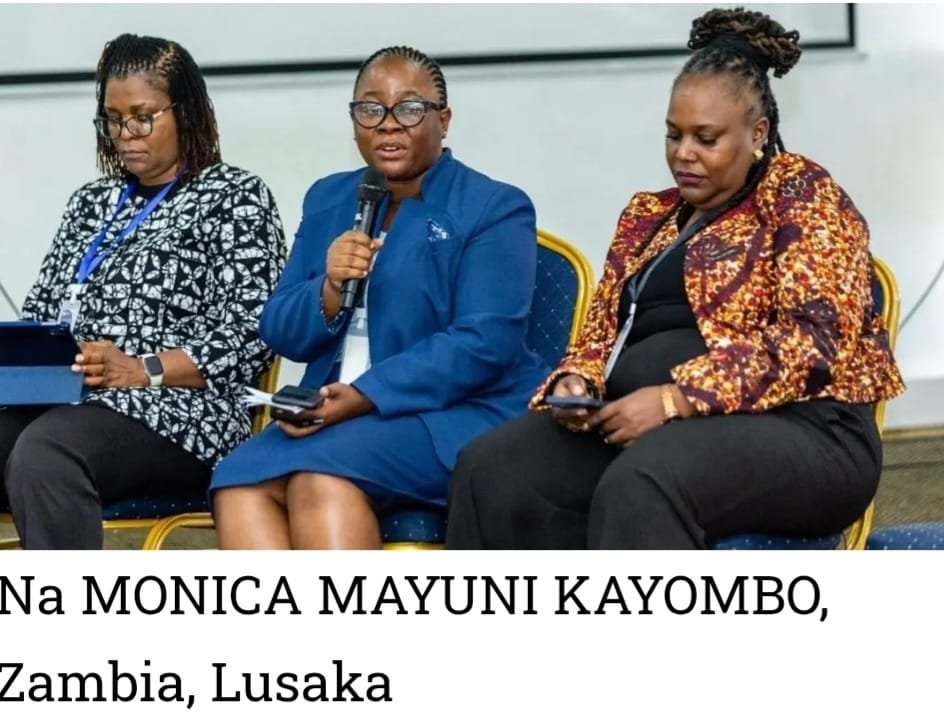
Female journalists from across Africa and beyond have sounded the alarm over what media advocates describe as a deepening crisis of sexual harassment, discrimination, intimidation, and unequal treatment inside newsrooms warning that the future of press freedom itself is at risk if women remain unsafe in the media industry.
The issue dominated discussions during the 2026 World Press Freedom Day commemorations held in Lusaka, Zambia, where editors, policymakers, press freedom organisations, and women media leaders called for urgent reforms to protect women journalists facing abuse both online and offline.
Organised by UNESCO, the global gathering brought together journalists and advocates under the theme: “Shaping a Future at Peace: Promoting Press Freedom for Human Rights, Development, and Security.”
But beneath the official speeches and diplomatic language, a more painful reality emerged from the testimonies of women working in media organisations across the continent.
Many described environments where sexual harassment remains normalised, reporting systems are weak or nonexistent, and women are routinely denied promotions despite increasingly becoming the majority in some newsrooms. Others spoke about threats, coercion, psychological pressure, and online abuse that continue to silence female voices in journalism.
A major focal point of the conference was a high-level discussion hosted by WAN-IFRA Women in News in partnership with UNESCO, examining the growing dangers women journalists face while carrying out their work.
WAN-IFRA Women in News Executive Director Susan Makore warned that despite global conversations around equality and inclusion, many media institutions still operate within cultures that marginalize women and protect abusive power structures.
She said ongoing research conducted alongside BBC Media Action and St George’s University of London revealed persistent failures by media organisations to properly address workplace harassment or establish effective accountability systems for victims.
The findings reflect a broader global pattern increasingly affecting women in journalism — from physical harassment in newsrooms to coordinated online attacks targeting female reporters, editors, and broadcasters.
In Zimbabwe, authorities say steps are now being taken to confront the problem more directly. Zimbabwe Media Commission Director for Media Development and Governance Nyaradzo Hazangwi announced that the country had partnered with WAN-IFRA Women in News and the Zimbabwe Gender Commission to create a national sexual harassment policy framework for media institutions.
Also Read; Pressure Mounts on Starmer Leadership Stability
Under the proposed reforms, all media houses in Zimbabwe would be required to establish internal anti-harassment policies as part of mandatory registration and accreditation procedures.
The announcement was widely viewed as one of the strongest institutional responses discussed during the conference.
Regional media leaders from Zambia also described a troubling imbalance between women’s participation in journalism and their actual power within the industry.
According to Zambia Media Women Association officials, women now make up a large share of newsroom staff in some organisations, yet many remain trapped in low-paying, temporary, or volunteer positions while senior editorial and managerial roles continue to be dominated by men.
ZAMWA Secretary Mwazi Sakala said sexual harassment and intimidation remain among the biggest obstacles preventing young female journalists from advancing professionally.
She noted that many women entering the profession face pressure to tolerate abuse or remain silent out of fear that speaking publicly could damage their careers or cost them employment opportunities altogether.
The Lusaka discussions highlighted growing international concern that attacks on women journalists are not only gender issues, but direct threats to Freedom of the press and democratic accountability itself.
Media freedom advocates argue that when women are excluded, silenced, or unsafe, journalism loses critical perspectives necessary for fair and balanced reporting.
The debate also connects to wider international campaigns surrounding Gender equality, workplace rights, and violence against women — issues expected to dominate upcoming global conferences including Women Deliver 2026 in Melbourne, Australia.
As digital harassment, newsroom discrimination, and gender-based violence continue rising worldwide, activists warn that protecting women journalists can no longer be treated as a secondary workplace issue.
For many attending the Lusaka summit, the message was clear: without safety, dignity, and equal opportunity for women in media, true press freedom cannot exist.