MWE Correspondent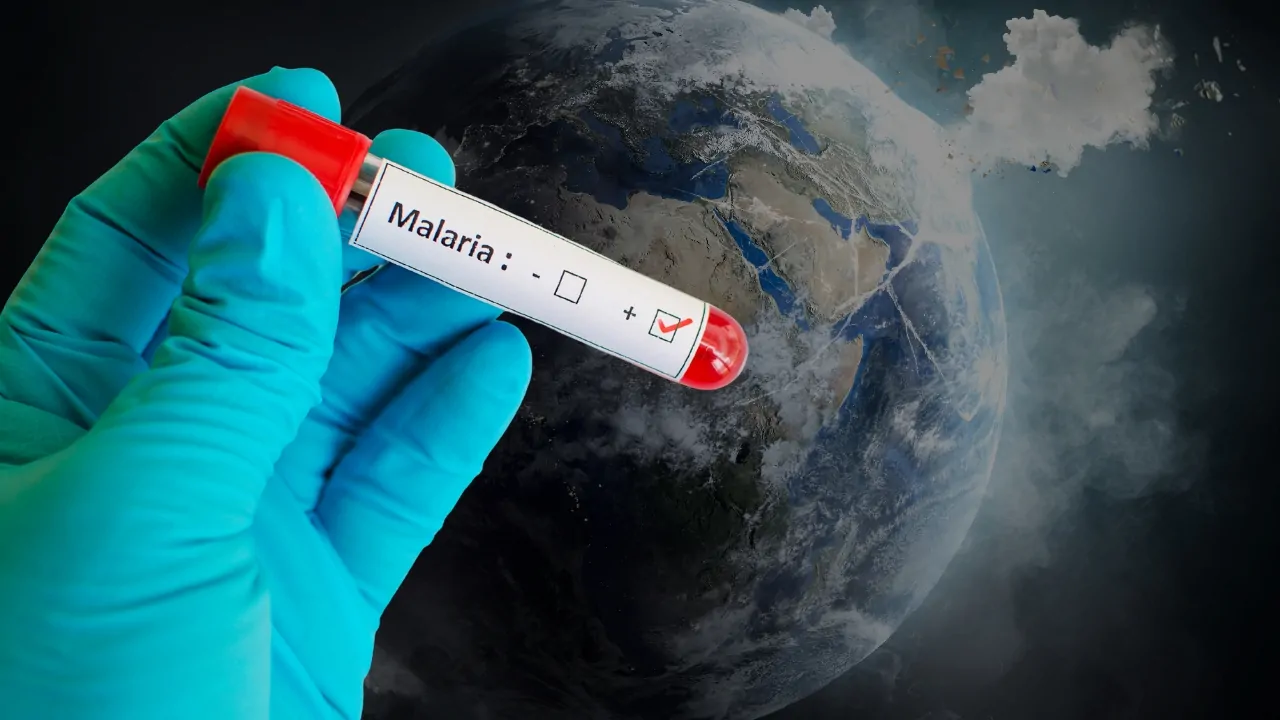
A major new scientific study has warned that climate change could push Africa into a devastating new malaria crisis by 2050, potentially causing an additional 123 million infections and more than 532,000 deaths as extreme weather events increasingly cripple fragile health systems across the continent.
The alarming findings, published in the prestigious scientific journal Nature, paint one of the clearest pictures yet of how climate shocks are rapidly becoming a public health emergency for Africa, where millions already live at the frontline of rising temperatures, floods, cyclones, and collapsing healthcare access.
The research, titled Projected impacts of climate change on malaria in Africa, was conducted by scientists from the Ifakara Health Institute in Tanzania and Curtin University in Australia, using one of the most extensive climate-health datasets assembled on the continent.
Led by researcher Tasmin Symons alongside senior author Peter Gething, the team developed an advanced geotemporal model combining 25 years of African data on climate patterns, malaria transmission, health infrastructure, population vulnerability, and socioeconomic conditions.
Their conclusion was stark: the greatest threat may not come from rising temperatures alone, but from increasingly violent and unpredictable weather disasters that are tearing apart healthcare systems precisely when they are needed most.
According to the study, floods, cyclones, storms, and other extreme climate events could account for nearly 79 percent of the projected increase in malaria infections and a staggering 93 percent of the additional deaths expected by mid-century.
Researchers say one factor stood out above all others — the collapse of access to treatment during disasters.
Interrupted access to antimalarial medicines alone is projected to account for nearly 38 percent of the expected increase in malaria cases. In many vulnerable regions, a single flood can destroy roads, isolate villages, damage hospitals, contaminate water systems, and leave families stranded without medicine for weeks.
For many African communities, the danger is no longer theoretical.
In rural regions across East and Southern Africa, families already describe a frightening cycle: heavy rains create vast mosquito breeding grounds, health clinics are washed away or overwhelmed, medicines run out, and children begin arriving with severe fevers as overstretched health workers struggle to cope.
Also Read; US Intercepts Iranian Oil Tanker Amid Rising Tensions
The researchers reinforced their data analysis with 34 interviews involving officials from humanitarian agencies and national malaria control programmes across Africa. Many reported that climate disasters are increasingly disrupting vaccination campaigns, emergency medical deliveries, and disease surveillance systems.
One official interviewed in the study described how entire malaria response operations can collapse overnight after major flooding destroys roads and cuts electricity to health facilities.
The study focused on climate projections between 2024 and 2050 under a moderate global emissions scenario — meaning the forecasts could worsen significantly if greenhouse gas emissions continue rising faster than expected.
Malaria remains one of Africa’s deadliest diseases, disproportionately affecting children under five and pregnant women. Despite years of progress in prevention and treatment, the continent still carries the overwhelming majority of the world’s malaria burden.
Public health experts say the new findings are especially concerning because they reveal how climate change is intensifying existing inequalities. Poorer communities with weak infrastructure, limited healthcare access, and high exposure to environmental shocks are expected to suffer the most severe consequences.
Scientists involved in the research are now urging governments, donors, and international organisations to urgently redesign malaria control systems around climate resilience rather than relying solely on traditional prevention methods.
That includes building flood-resistant hospitals, strengthening emergency medicine supply chains, improving early-warning weather systems, and investing in community-level healthcare capable of functioning during climate disasters.
The report also raises broader questions about global climate justice, as African countries — among the lowest contributors to greenhouse gas emissions — face some of the most severe human consequences of the climate crisis.
Health and climate analysts warn that without urgent intervention, malaria could become one of the clearest examples of how global warming is no longer only an environmental issue, but a growing humanitarian and public health catastrophe capable of reshaping lives across an entire continent.
As climate pressures intensify, the study delivers a sobering message to the world: the future battle against malaria may no longer be fought only in laboratories and hospitals, but increasingly in flood zones, disaster camps, and communities struggling to survive the accelerating impacts of a warming planet.