MWE Correspondent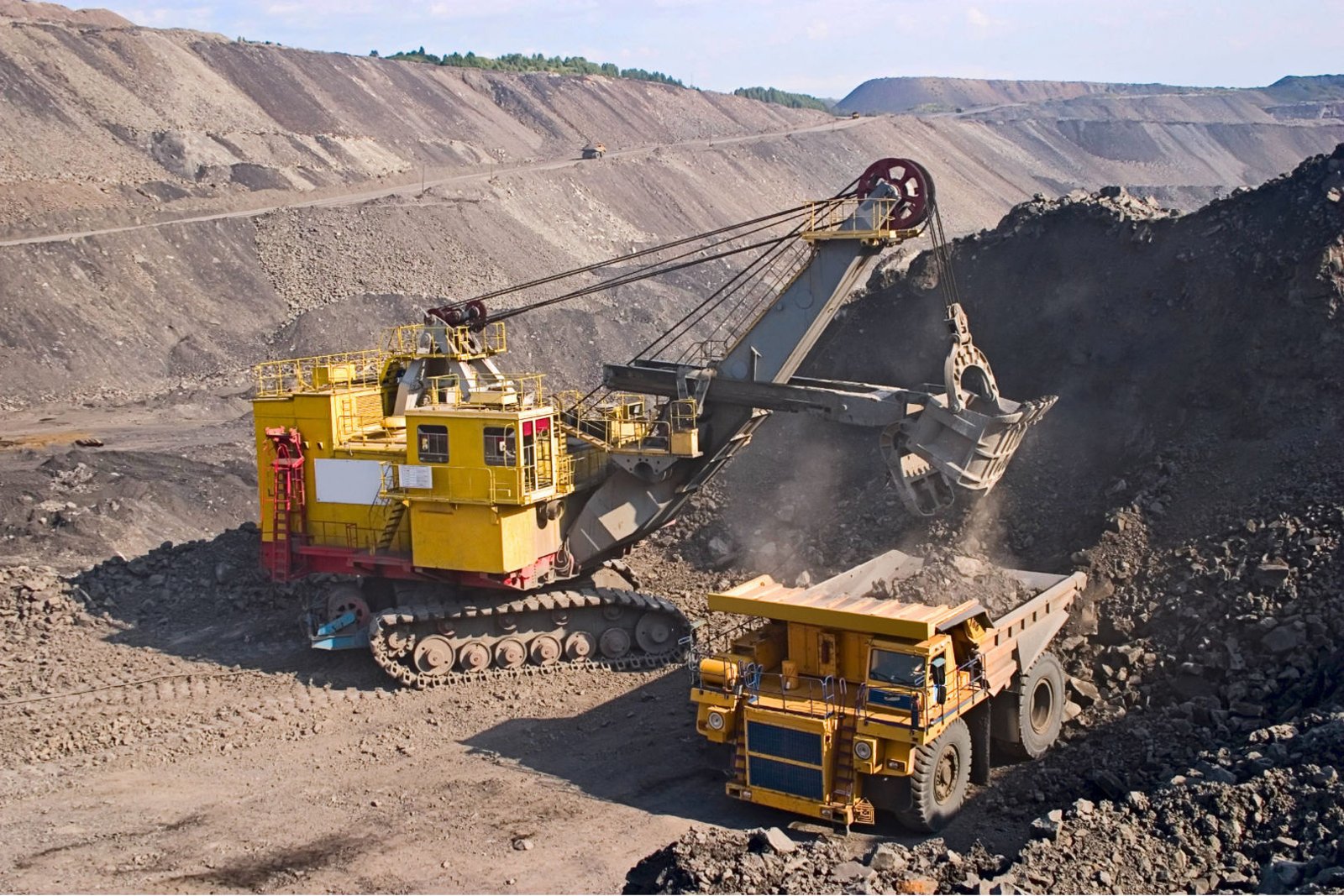
Tanzania has reaffirmed its strategic commitment to developing its critical mineral sector as a foundation for green industrialisation, emphasizing value addition, local participation, and environmentally sustainable mining practices.
The position was outlined in Addis Ababa, Addis Ababa, during a regional forum on “Harnessing Africa’s Critical Minerals for Green Industrialisation and Sustainable Development” hosted at the headquarters of the United Nations Economic Commission for Africa. The meeting brought together policymakers and experts focused on how Africa can better leverage its mineral wealth to support global clean energy transitions.
Speaking at the forum, Deputy Permanent Secretary in the Ministry of Minerals, Msafiri Mbibo, said Tanzania is positioning itself to maximize the benefits of its growing reserves of strategic minerals, including lithium, cobalt, and nickel—resources that are increasingly vital for the production of batteries and other clean energy technologies.
He emphasized that mining should not be viewed solely as an extraction industry, but as a broader development tool capable of transforming economies through job creation, skills development, and community empowerment.
“Mining is not just about extracting minerals; it is about creating opportunities for our people,” Mbibo said, underscoring the government’s vision of using natural resources to drive inclusive economic growth.
According to the ministry, Tanzania is currently strengthening local content policies to ensure that more value remains within the country. This includes encouraging domestic processing of minerals rather than exporting raw materials, a move aimed at increasing industrial capacity and boosting national revenue.
The government is also promoting beneficiation and deeper integration of local businesses into the mineral supply chain, with the goal of creating a more resilient and self-sustaining mining sector. Officials say this approach is central to the country’s long-term industrialisation strategy.
Also Read; US–Iran Peace Talks Collapse Amid Rising Tensions
However, Mbibo also acknowledged several challenges facing the sector. These include illegal mining activities, environmental degradation, and limited engagement with communities affected by mining operations. He stressed that addressing these issues requires stronger oversight and improved coordination among stakeholders.
He further called for enhanced collaboration between governments, private investors, and development partners to ensure that Africa’s mineral wealth translates into sustainable development outcomes rather than remaining an underutilized resource base.
The discussions in Addis Ababa reflect a broader continental shift toward positioning Africa’s mineral reserves as key drivers of the global energy transition. As demand for critical minerals continues to rise worldwide, countries like Tanzania are seeking to secure a stronger role in the value chain rather than remaining primary exporters of raw materials.
Analysts note that Tanzania’s approach aligns with a growing regional consensus that mineral-rich economies must move beyond extraction toward industrial transformation. This includes investing in processing facilities, improving regulatory frameworks, and ensuring that mining benefits are more evenly distributed.