MWE Correspondent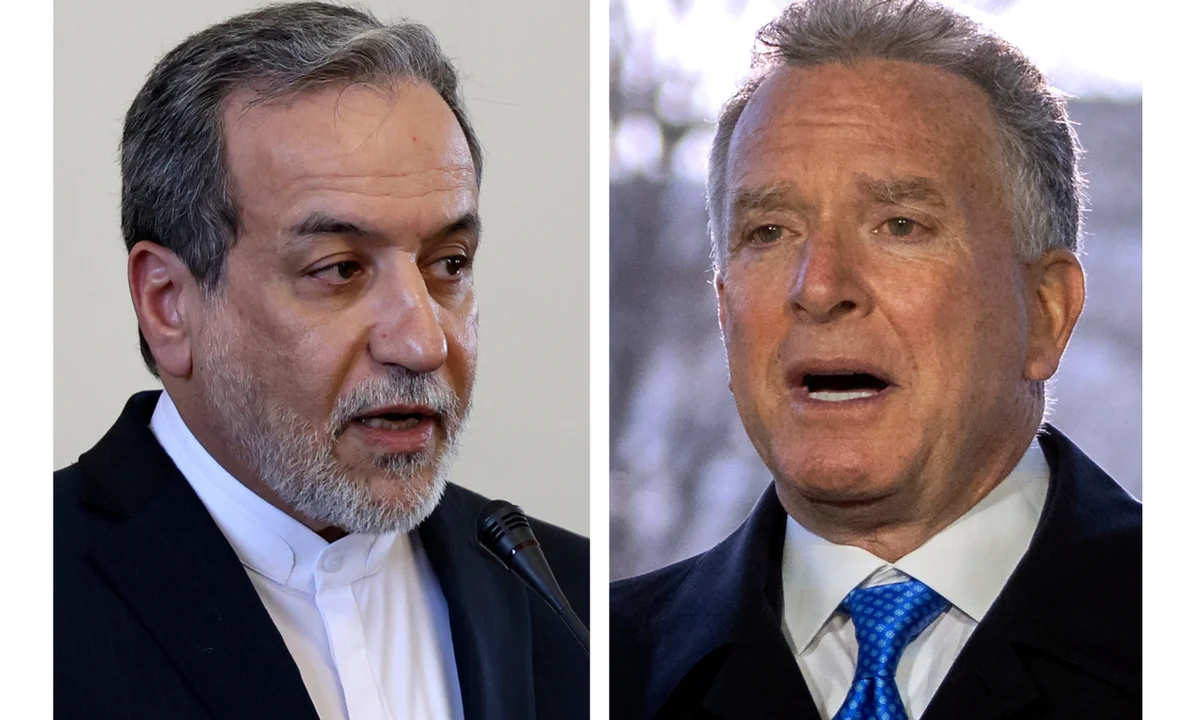
Iran has claimed that the United States is now pushing for negotiations following what it described as a failure to achieve its objectives through sustained pressure in the ongoing standoff with Tehran.
Speaking in remarks carried by international media, Abbas Araghchi said Washington’s apparent willingness to engage in talks reflects its inability to secure meaningful outcomes through military and strategic measures. He asserted that the United States “did not achieve any of its goals,” framing the shift toward diplomacy as a sign of weakness rather than compromise.
The comments come at a time of heightened tension across the Middle East, where overlapping conflicts and geopolitical rivalries continue to raise concerns about broader instability. At the same time, renewed diplomatic activity is underway, with regional and global actors quietly exploring avenues to prevent further escalation.
Despite Iran’s position, officials in Washington have maintained that any potential negotiations must go beyond immediate tensions. The United States has consistently emphasized that discussions should address wider security concerns, including Iran’s nuclear programme and its influence across the region. This stance reflects long-standing priorities in US foreign policy, particularly in relation to non-proliferation and regional stability.
Also Read; US–Iran Peace Talks Collapse Amid Rising Tensions
Tehran, however, has set its own conditions for engagement. Iranian officials continue to demand firm guarantees on sanctions relief, alongside assurances that their sovereignty will be respected in any future agreement. These demands underscore the deep mistrust that has defined relations between the two countries for decades.
Analysts suggest that the latest exchange of statements signals a cautious and strategic testing of the diplomatic landscape by both sides. While public rhetoric remains firm, there are indications that backchannel communications and indirect contacts may be ongoing. Such efforts are often seen as a preliminary step toward more formal negotiations, particularly in high-stakes geopolitical disputes.
Observers note that both Tehran and Washington face internal and external pressures that could influence their approach to diplomacy. For Iran, economic challenges linked to sanctions continue to weigh heavily, while the United States must balance its regional commitments with broader global priorities.
The situation remains highly fluid, with the potential for both escalation and de-escalation still on the table. While neither side has signaled a clear willingness to compromise publicly, the renewed focus on dialogue suggests that diplomatic pathways, however narrow, have not been entirely closed.
As tensions persist, the international community is likely to watch closely for any signs of meaningful engagement, aware that the outcome of US-Iran relations carries significant implications for regional security and global political stability.