MWE Correspondent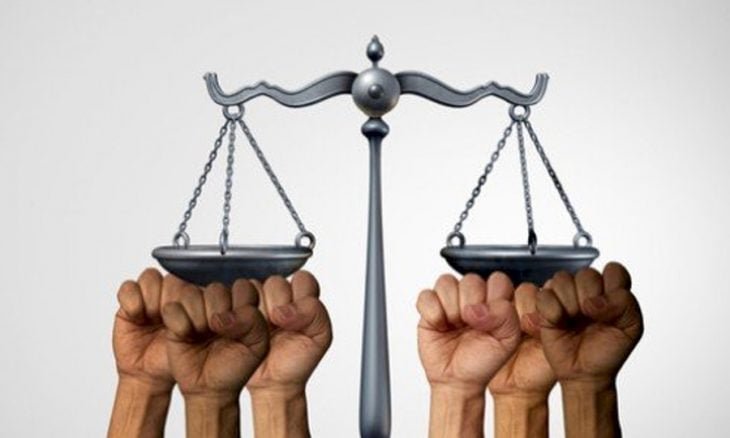
Debate is intensifying around the role and application of international justice systems, as governments and legal observers examine issues of consistency, representation, and institutional trust.
The discussion reflects a broader reassessment of how global legal mechanisms operate in a changing geopolitical environment.
At the centre of this conversation is the , which remains a key body in addressing serious cross-border crimes. Its mandate continues to emphasise accountability and adherence to international legal standards.
This is not rejection.
It is institutional scrutiny.
As awareness grows, so too does the expectation that legal frameworks operate with uniformity across different regions and contexts. Questions are increasingly focused on procedural balance and the perception of fairness.
This discussion is grounded in international law.
International law provides the foundation for cooperation between states, offering mechanisms for dispute resolution and accountability. Its effectiveness depends largely on credibility and broad acceptance.
At the same time, the principle of sovereignty remains central.
States continue to assert their authority over domestic legal matters, creating an ongoing tension between national jurisdiction and international oversight. Managing this balance is a defining challenge.
This dynamic relates closely to global governance.
Global governance structures aim to coordinate international action, including legal processes. As global conditions evolve, these systems are being re-examined to ensure they remain effective and representative.
There is also a growing emphasis on strengthening national institutions.
Many countries are investing in their own judicial systems to address complex cases internally, while maintaining engagement with international frameworks where appropriate.
However, structural challenges persist.
Differences in legal traditions, political systems, and institutional capacity can affect both implementation and perception. These factors complicate efforts to establish universally accepted standards.
Despite these complexities, the role of international justice remains significant.
It provides a framework for addressing issues that extend beyond national boundaries and reinforces shared legal principles.
The key point is measured.
The system is not being dismissed.
It is being evaluated.
And through that evaluation, there is potential to improve balance, strengthen trust, and enhance the effectiveness of international legal institutions.