MWE Correspondent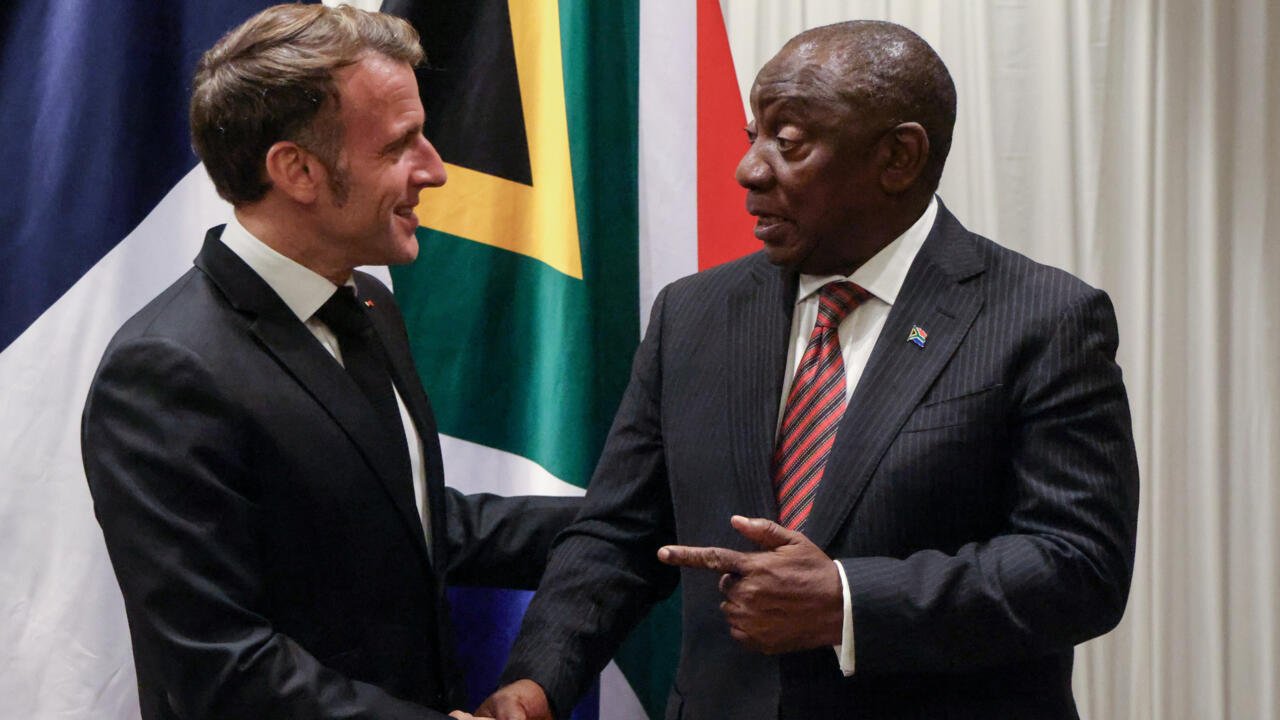
French officials have firmly rejected claims that was excluded from the upcoming G7 summit in Paris due to pressure from the , pushing back against remarks linked to President ’s office.
The clarification comes amid growing diplomatic sensitivity over Africa’s representation at major global forums. French authorities emphasized that no such external pressure influenced the invitation process, describing the claims as inaccurate and potentially misleading.
Instead, officials confirmed that has been invited to participate in the summit, a move that has drawn both attention and scrutiny across the continent.
The G7, formally known as the , brings together some of the world’s most advanced economies—France, the United States, the United Kingdom, Germany, Japan, Italy and Canada. While the forum is not permanent in its guest composition, host nations often invite non-member countries, particularly from Africa and other developing regions, to broaden dialogue on global economic and political challenges.
Historically, South Africa has been one of the most frequently invited African nations to G7 and G20 discussions, largely due to its economic size and geopolitical influence. Its absence from the Paris summit guest list—whether temporary or symbolic—has therefore sparked debate about shifting diplomatic alignments.
Analysts suggest that the inclusion of Kenya reflects a broader recalibration in global engagement with Africa, where emerging economies are gaining increased recognition for their regional influence and economic growth trajectories.
“Invitations to forums like the G7 are never random,” said a European diplomatic observer. “They reflect strategic priorities, partnerships and sometimes a desire to diversify representation.”
Also Read: War and Quiet Diplomacy Shape Middle East Crisis
Kenya’s growing profile on the international stage has been evident in recent years, with Nairobi positioning itself as a hub for diplomacy, technology and climate leadership in Africa. Its invitation may signal an effort by France to strengthen ties with East Africa while expanding the range of African voices in global discussions.
At the same time, the diplomatic exchange highlights underlying tensions about inclusion, influence and perception. For South Africa, which has long seen itself as a gateway between Africa and global economic powers, any suggestion of exclusion carries both symbolic and political weight.
French officials, however, maintain that the selection process remains independent and driven by the host country’s agenda, rather than external influence.
The upcoming summit, scheduled for June in Paris, is expected to focus on key global issues including economic recovery, climate change, security and technological transformation. African participation will likely be central to discussions on development, investment and global partnerships.
Africa’s role in global decision-making forums is evolving, but questions of representation and equity remain at the forefront.
Whether viewed as a diplomatic misunderstanding or a sign of shifting priorities, the controversy surrounding the G7 guest list reflects the growing importance of Africa in global geopolitics—and the increasing scrutiny over who gets a seat at the table.