Joseph Isangura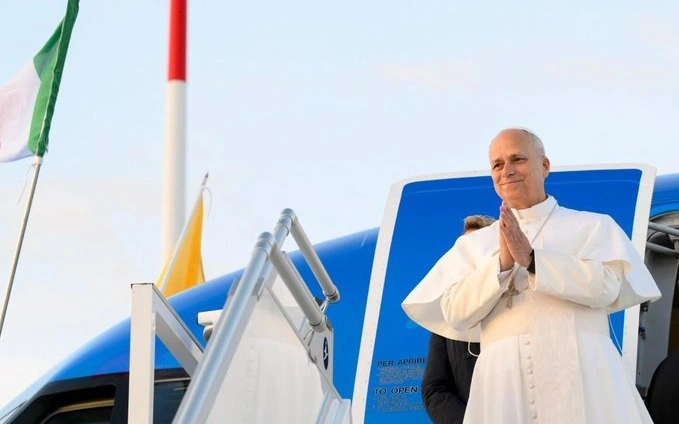
Plans for a high-profile papal visit to have stirred an unusually candid national debate—one that goes beyond religion and touches on governance, public finance and the relationship between state and citizen.
Reports circulating in recent weeks suggest that authorities are seeking public contributions to help finance preparations for the expected visit of a pope. Some claims indicate that these contributions may extend to salary-based deductions, although officials have yet to provide a detailed public breakdown of how the funding mechanism is structured.
The issue has quickly moved from quiet discussion into a broader national conversation. For many citizens, the visit itself is a moment of pride. The Catholic Church plays a central role in the country’s social fabric, and papal visits have historically been seen as symbols of unity, faith and international recognition. Yet the question now being asked is simple: at what cost, and who should bear it?
Across Africa, papal visits have long carried both spiritual and political significance. When toured the continent during the late 20th century, his visits drew millions and often coincided with moments of political transition. Governments typically funded such visits through national budgets, sometimes supported by private donors and church institutions.
More recently, visits by to countries including Kenya, Uganda and the Democratic Republic of the Congo followed a similar pattern. While costly—often running into millions of dollars—these events were largely financed through public funds and institutional partnerships, rather than direct contributions from citizens’ wages.
Also Read: Constitutional Reform Debate Intensifies Political Tensions in DRC
That is what makes the current situation in Equatorial Guinea stand out.
Despite being one of Africa’s oil-producing nations, the country has long faced scrutiny over income distribution and public spending priorities. According to global economic observers, while national revenues have historically been high due to oil exports, much of the population continues to face everyday economic challenges. In this context, the idea of public contributions—especially if mandatory—raises deeper concerns about fairness and transparency.
“This is not just about religion,” said a regional policy analyst. “It is about how governments engage citizens in national projects. When people are asked to contribute, there must be clarity, consent and accountability.”
Supporters of the initiative argue that national events of this scale require collective effort. They point to the potential long-term benefits, including increased international visibility, tourism and diplomatic engagement. A papal visit places a country firmly on the global stage, often attracting media coverage and strengthening ties with the Vatican.
Yet critics counter that such benefits are often intangible and unevenly distributed, while the financial burden—if not carefully managed—can fall disproportionately on ordinary citizens.
The debate also reflects a broader shift happening across Africa, where populations are increasingly questioning how public resources are used. From infrastructure projects to international events, there is growing demand for transparency and participation in decision-making processes.
In Equatorial Guinea, this moment has become more than a logistical issue—it is now a test of governance. How authorities respond, clarify and engage with public concerns may shape not only perceptions of the visit, but also trust in institutions.
As preparations continue, the visit itself remains a powerful symbol of faith and unity. But alongside that symbolism is a more grounded reality: citizens are paying closer attention, asking harder questions and expecting clearer answers.