MWE Correspondent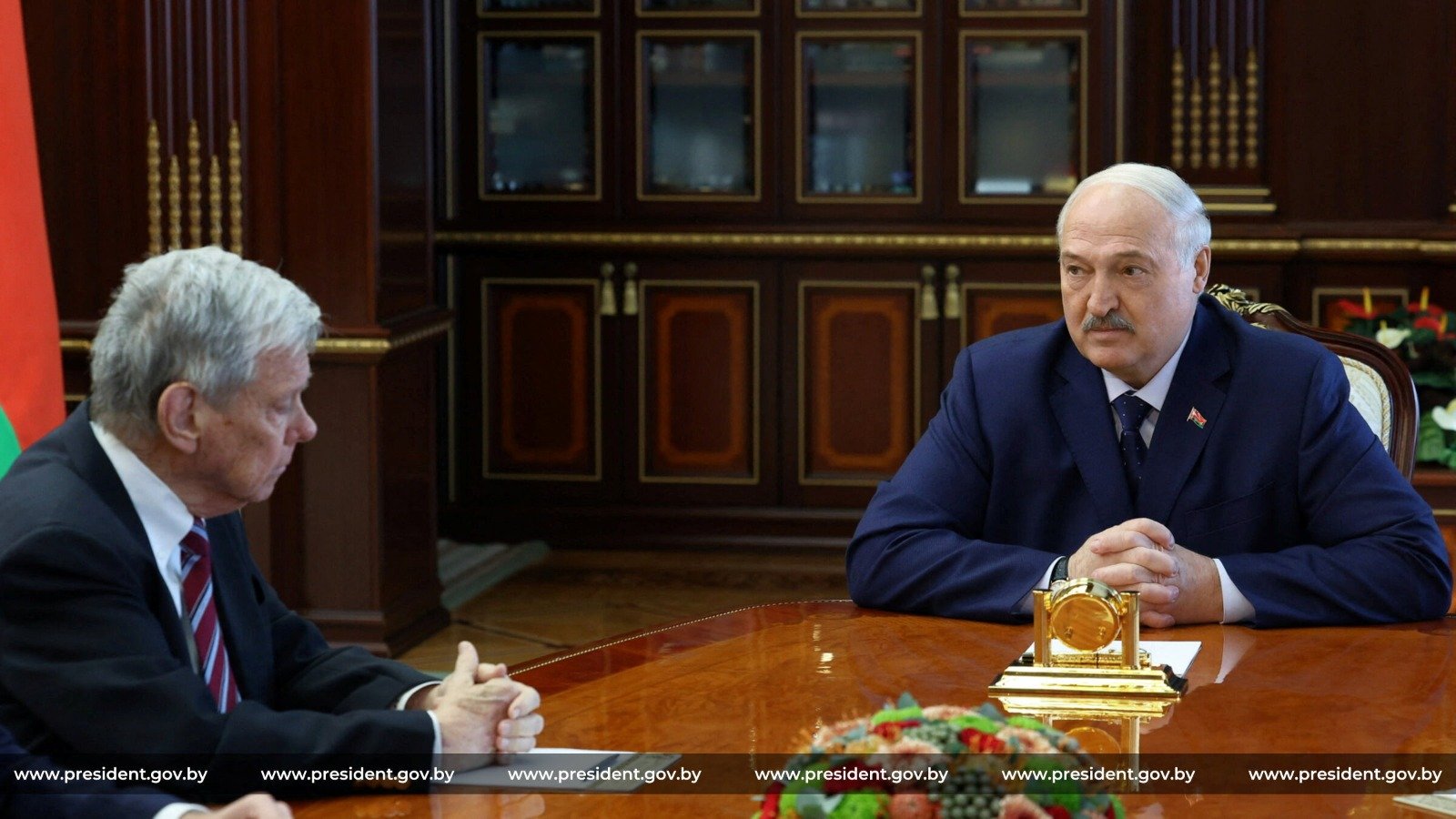
A senior envoy from the United States has held high-level talks with Belarusian President Alexander Lukashenko in the capital, Minsk, focusing on the potential release of political prisoners in a move that could signal a cautious thaw in relations between the two countries.
The meeting, led by U.S. representative John Coale, comes amid renewed diplomatic efforts directed from Washington under former President Donald Trump. While the discussions remain sensitive, officials familiar with the matter suggest that both sides are exploring practical steps that could lead to the release of individuals widely regarded by international observers as political detainees.
Human rights organizations have consistently raised concerns about the situation in Belarus, estimating that more than 1,100 individuals are currently detained for politically motivated reasons. These include opposition figures, activists, and journalists who were arrested during periods of political unrest and contested elections.
Previous rounds of dialogue between U.S. officials and Belarusian authorities have yielded limited but notable outcomes. Several detainees, including prominent activists and opposition politicians, were released following earlier engagements. Those developments have encouraged diplomats to continue pursuing negotiation channels, despite ongoing tensions.
Sources close to the negotiations indicate that the latest meeting in Minsk may have gone further than previous discussions, with both parties reportedly addressing not only individual cases but also broader conditions surrounding detentions. However, neither side has publicly confirmed any immediate agreements.
In parallel with these diplomatic efforts, the United States has taken incremental steps to ease certain economic sanctions imposed on Belarus. Analysts interpret this as part of a broader strategy to incentivize cooperation while maintaining pressure on governance and human rights standards.
There is also growing speculation that Washington is considering reopening its embassy in Minsk, which has operated with limited capacity in recent years. Such a move would represent a significant shift in diplomatic posture and could facilitate more consistent engagement between the two governments.
Despite these developments, skepticism remains among rights groups, who caution against interpreting dialogue as a guarantee of systemic change. They argue that while individual releases are important, lasting progress will depend on broader political reforms and respect for civil liberties.
For Belarus, the talks present an opportunity to recalibrate its international standing at a time of economic and political strain. For the United States, they offer a chance to influence outcomes through diplomacy rather than isolation.
As the situation continues to evolve, observers say the coming weeks will be critical in determining whether the latest round of discussions produces tangible results or remains part of a longer, uncertain process.