MWE Correspondent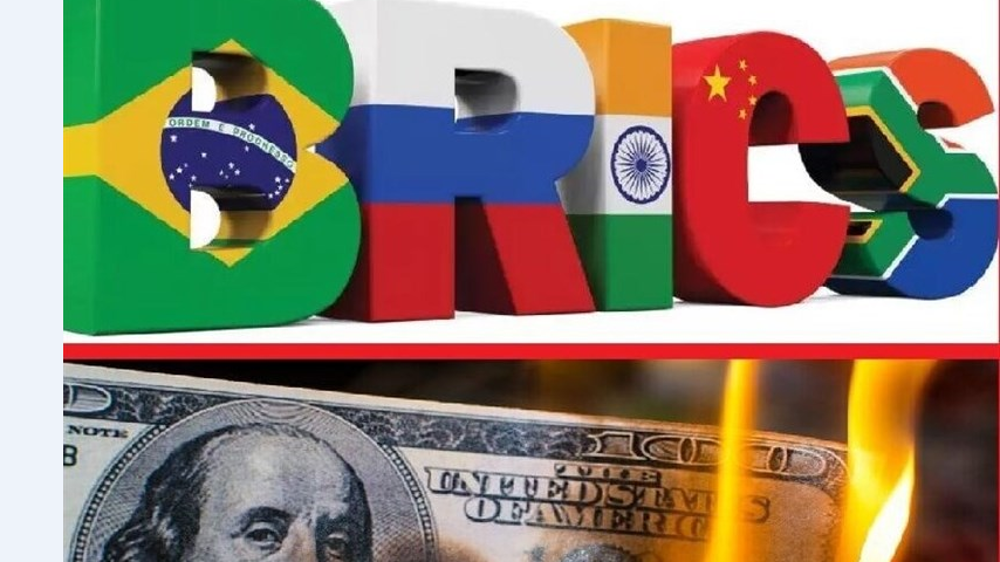
Senior financial officials from the BRICS group have taken new steps toward expanding trade using their own national currencies, in a move aimed at reducing dependence on the U.S. dollar and strengthening financial cooperation among emerging economies.
The high-level technical meetings, held on February 22–23, 2026, in Brasília, brought together representatives from key member countries including Brazil, Russia, India, China, and South Africa. Their discussions focused on improving payment systems that allow countries to trade directly using local currencies rather than relying heavily on traditional dollar-based settlement.
Officials said the goal is not to abruptly replace the dollar, but to gradually build a more balanced and resilient financial system that gives member countries greater flexibility. They confirmed progress in developing a more integrated settlement infrastructure designed to support trade, investment, and economic stability.
A key part of the discussions involved the role of the New Development Bank, a financial institution established by BRICS countries to fund infrastructure and sustainable development projects. The bank has increasingly expanded lending in local currencies, helping member states reduce exchange rate risks and strengthen domestic financial systems.
Another major topic was the potential use of commodities such as gold to support financial stability in cross-border transactions. While officials acknowledged that creating a fully gold-backed currency would be complex, they said commodity-linked mechanisms could help improve trust and reduce volatility in trade settlements.
Also Read; Iran Warns US Amid Nuclear Tensions Talks
Recent data shared during the meetings reflected trends also noted by the International Monetary Fund, which has reported a gradual decline in the U.S. dollar’s share of global foreign exchange reserves over the past decade. Although the dollar remains dominant, some countries are increasingly exploring alternative options to diversify their financial exposure.
BRICS officials also highlighted connections between their efforts and broader regional initiatives such as the African Continental Free Trade Area, which aims to promote trade within Africa using more stable and efficient financial systems.
Economic analysts say these developments reflect a broader shift toward a more multipolar global financial structure, where emerging economies seek greater independence while still participating in international markets.
However, experts caution that significant challenges remain. Issues such as market liquidity, investor confidence, and regulatory coordination will play a major role in determining how quickly and successfully these changes can be implemented.
For developing countries, including those in Africa, expanded local currency settlement could create new opportunities to trade more easily and reduce pressure caused by exchange rate fluctuations.e.