 editor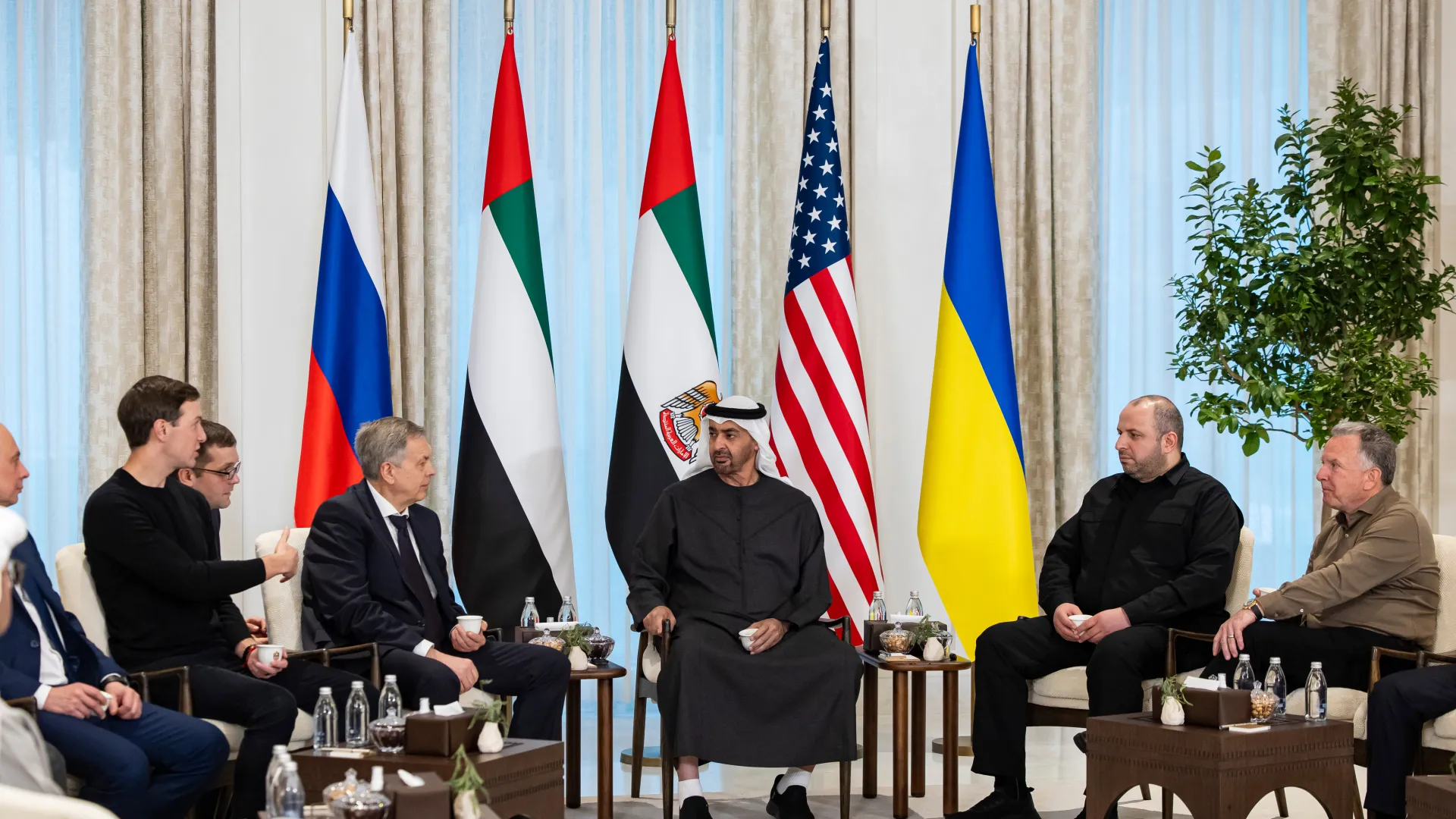
Fresh diplomatic efforts to end the Ukraine war have entered a new phase after Ukraine and Russia concluded a second round of U.S.-brokered negotiations in Abu Dhabi, producing a large-scale prisoner exchange and agreement to continue dialogue, even as deep divisions remain over security guarantees, territorial control, and post-war security architecture.
The Abu Dhabi meetings marked the first publicly confirmed sustained trilateral engagement involving U.S., Ukrainian, and Russian representatives since the full-scale invasion began in 2022. Negotiators agreed on a significant prisoner swap and outlined a framework for follow-up sessions, but stopped short of announcing a ceasefire or political settlement. Officials familiar with the talks described the outcome as a confidence-building measure rather than a breakthrough.
Ukraine’s delegation emphasized that any durable peace arrangement must include binding and enforceable security guarantees backed by major powers, particularly the United States and key European allies. Kyiv argues that without hard guarantees — including rapid military assistance triggers and long-term defense commitments any ceasefire would risk collapse and renewed hostilities.
The demand is rooted in Ukraine’s experience with the 1994 Budapest Memorandum, under which it surrendered its nuclear arsenal in exchange for security assurances from major powers. Ukrainian officials say those assurances proved insufficient to deter later aggression, making legally grounded guarantees central to current negotiations.
Also Read: Africa Becomes Battleground for Critical Resource Race
Russia, however, has advanced its own security demands. Senior Russian diplomats say Moscow requires formal guarantees that Ukraine will not join NATO and that foreign troops or military infrastructure will not be deployed on Ukrainian territory under any post-war arrangement. This position directly conflicts with Kyiv’s insistence on preserving its sovereign right to choose security alliances.
The European Union is simultaneously developing a parallel diplomatic position aimed at shaping the terms of any settlement. EU foreign policy officials are drafting a list of conditions they say Russia must meet for a lasting peace, including humanitarian measures, accountability provisions, and constraints tied to future military posture. European diplomats have warned against what they call “imbalanced settlements” that would shift excessive obligations onto Ukraine while leaving Russian commitments vague.
Disagreements also persist among Western allies over the structure of possible guarantees. Policy options under discussion include NATO-style collective defense commitments, multilateral defense compacts outside NATO, and coalition-based guarantee mechanisms led by selected states. Each model carries different legal, military, and political risks, and consensus has not yet emerged.
China has continued to call for a negotiated settlement and ceasefire, positioning itself as a supporter of diplomatic resolution. However, Ukrainian leadership has rejected the idea of Beijing serving as a security guarantor, citing China’s close strategic and economic ties with Russia and concerns over dual-use technology flows.
While diplomacy has intensified, fighting continues across multiple fronts, underscoring the gap between negotiation tracks and battlefield realities. Analysts say the coming negotiation rounds will test whether incremental trust-building steps can evolve into a structured peace framework — or whether security guarantee disputes will stall progress.