 editor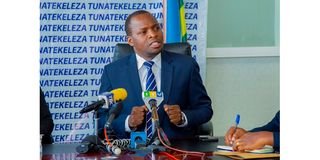
Tanzania has expressed confidence in its ability to finance the 2025/26 national budget even if foreign partners delay or withhold assistance, insisting that the country’s growing economic capacity allows it to progress independently.
Speaking in a special interview on December 6, 2025, Chief Government Spokesperson Gerson Msigwa said recent statements from Western nations about possible aid cuts should not cause alarm. He argued that Tanzania’s financial structure is strong enough to sustain government operations without relying on external support.
The approved national budget stands at TZS 56.49 trillion, with TZS 40.47 trillion expected from internal sources. Only TZS 1.07 trillion is projected from foreign grants, while TZS 14.95 trillion will be raised through domestic and external borrowing. Msigwa noted that loans are “national resources,” not aid, and should be understood as structured financial tools under government control.
He emphasised that although the country appreciates international partnerships, it is not dependent on them. “We value cooperation, but it does not mean we cannot function without it,” he said.
His remarks echo earlier guidance by President Samia Suluhu Hassan, who has urged institutions to prepare for operational continuity even in situations where external assistance fails. She stressed that ministries must strengthen internal efficiencies, tighten spending, and maintain momentum on planned projects.
Also Reade; Global Malaria Deaths Rise Amid Growing Health Threats
Economists say Tanzania’s position reflects a wider shift across developing nations aiming to reduce long-term reliance on donors. Many African countries are now prioritising domestic revenue and strategic borrowing as part of fiscal reforms. This aligns with global definitions of development aid, which is described as voluntary support provided by one country to another to assist in economic and social advancement—an explanation documented within resources such as development aid.
Analysts note that the 2025/26 budget continues to focus on infrastructure, social welfare, and productivity. These areas are considered crucial for strengthening internal revenue and expanding national capacity in the coming years. A broader understanding of public financial planning, such as the concept of a national budget, demonstrates why Tanzania emphasises diversified sources of funding.
The push for self-reliance is also supported by regional studies highlighting the importance of fiscal self-reliance in Africa. These studies show that countries with strong domestic resource mobilisation often withstand external shocks more effectively.
Msigwa concluded that the government is fully prepared to meet its obligations regardless of external circumstances. “Where aid is insufficient or unavailable, we must arrange reliable alternative sources to fill the gap,” he said, reaffirming the administration’s commitment to financial independence.