MWE Correspondent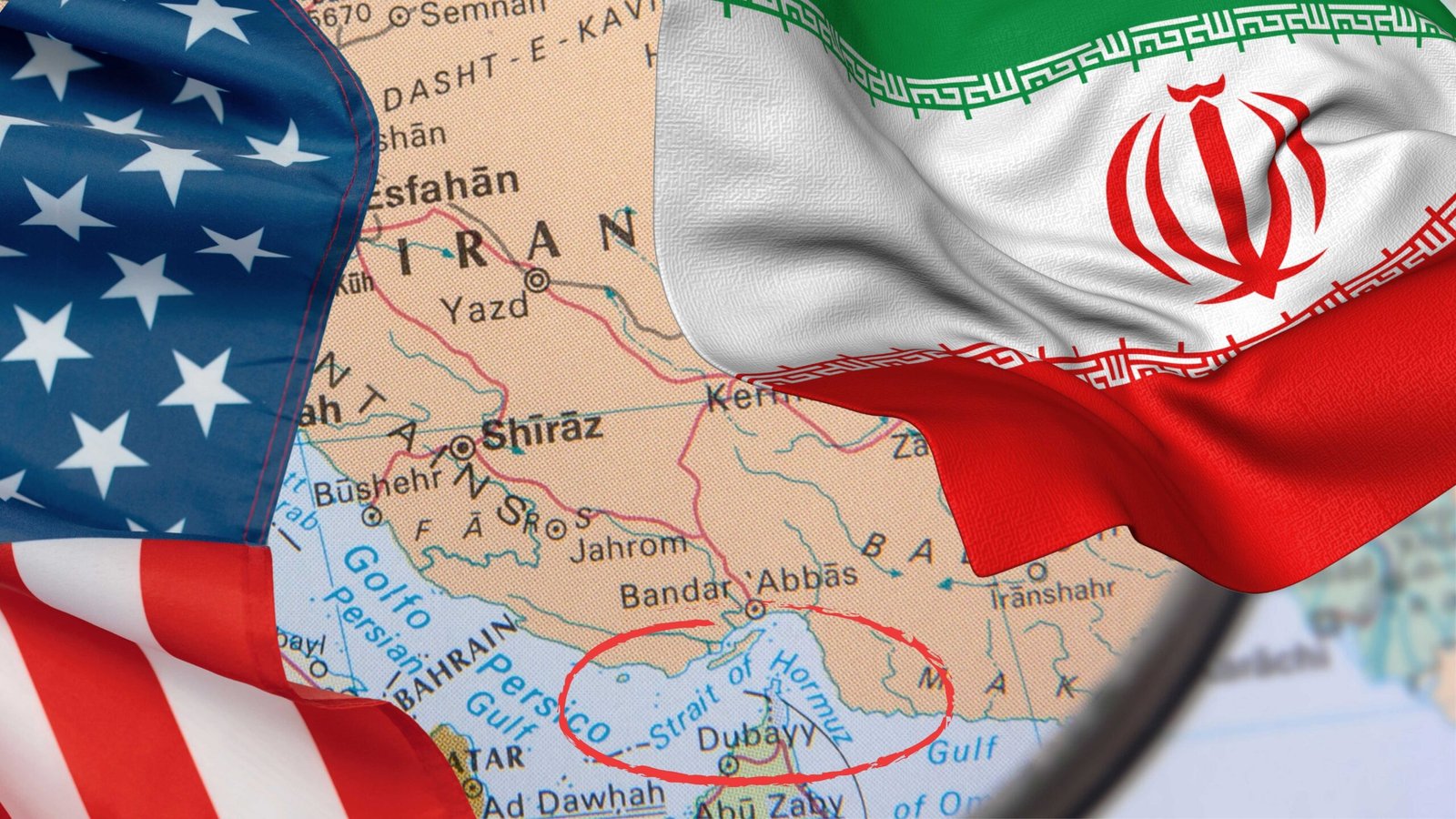
The United States has carried out fresh military strikes on Iranian targets amid stalled diplomatic negotiations, sharply escalating tensions in the Gulf and raising renewed fears of a wider regional confrontation.
The US military’s Central Command confirmed that the operations targeted missile facilities in southern Iran as well as maritime assets allegedly involved in laying mines near the strategically vital Strait of Hormuz. Officials described the strikes as defensive actions aimed at protecting American forces and safeguarding international shipping routes.
According to US Central Command, intelligence reports indicated that elements linked to Iran’s Islamic Revolutionary Guard Corps were preparing naval mines in waters near Bandar Abbas, a key port city along the Gulf coast. The US said the move posed a direct threat to commercial shipping and military vessels operating in the region.
The strikes come at a moment of heightened volatility, with already fragile diplomatic negotiations appearing to lose momentum. Talks mediated by Gulf states had been underway in an attempt to ease tensions between Washington and Tehran, but officials now say those discussions have stalled due to deep disagreements over sanctions relief, nuclear restrictions, and broader regional security guarantees.
Iranian authorities strongly condemned the latest US action, accusing Washington of violating what they described as an already fragile ceasefire framework. Tehran insisted that its military activities in the region are purely defensive in nature and aimed at deterring external threats, rejecting allegations that it was planning offensive operations in the Strait of Hormuz.
Also Read; Tanzania Says Citizens Safe Amid South Africa Unrest
The Strait of Hormuz, through which a significant portion of the world’s oil supply passes daily, has long been considered one of the most sensitive maritime chokepoints in global trade. Any disruption in the area has immediate implications for global energy prices and international shipping security, making it a focal point of both military and diplomatic tensions.
Military analysts say the renewed confrontation reflects a dangerous cycle of action and retaliation that has increasingly defined US-Iran relations in recent years. The latest escalation also comes at a time when regional actors are attempting to prevent a broader conflict that could destabilize already tense geopolitical conditions across the Middle East.
Despite the sharp exchange of military and political statements, diplomatic channels have not been completely closed. Officials involved in mediation efforts say backchannel communications remain active, and there is still a possibility that negotiations could resume if both sides show flexibility and willingness to compromise on key sticking points.
However, the current environment remains highly unstable. Security experts warn that continued military operations near the Strait of Hormuz could increase the risk of miscalculation, particularly in crowded maritime corridors where commercial and military vessels operate in close proximity.
The international community has urged restraint, with calls for both Washington and Tehran to return to negotiations and avoid further escalation. Global markets are also closely monitoring developments, as any prolonged disruption in the Gulf region could have immediate economic consequences.