
 MWE Correspondent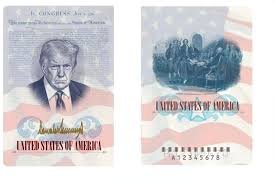
A proposed commemorative passport in the United States is drawing sharp international attention, after officials revealed plans for a special “America250” edition to mark 250 years since the nation’s founding—an anniversary rooted in the historic United States Declaration of Independence.
The passport, expected to be introduced ahead of Independence Day in 2026, is designed to celebrate what officials describe as a defining moment in democratic history. But it is not the milestone itself that has captured global headlines. Instead, it is the reported inclusion of Donald Trump within the passport’s design that has ignited a broader debate about nationalism, symbolism, and the role of political figures in state identity.
Across diplomatic and policy circles, the proposal is being closely watched as a test case for how modern democracies balance commemoration with neutrality. Passports, often seen as one of the most neutral and universally recognized symbols of citizenship, rarely feature contemporary political leaders. Analysts note that introducing such imagery—especially of a sitting or recently serving president—could redefine expectations around official national documents.
Supporters of the initiative argue that the United States has a long tradition of honoring influential leaders in public spaces, from currency to monuments. They see the “America250” passport as part of a broader cultural expression tied to the anniversary, rather than a departure from democratic norms. In their view, the inclusion reflects a particular political era that will inevitably form part of the country’s historical narrative.
Critics, however, warn of deeper implications. Some international observers suggest the move risks setting a precedent that could be replicated in other countries, potentially politicising documents that are meant to transcend partisan divides.
Also Read; Health Insurance Debate Sparks Wider Religious Questions
In regions where democratic institutions are still consolidating, such symbolism could blur the distinction between state and leadership, raising concerns about institutional independence.
The debate also underscores a wider global trend. From Europe to Africa and Asia, governments are increasingly rethinking how national identity is presented through official symbols, especially in an age of heightened political polarization. The United States—often viewed as a reference point for democratic practices—now finds itself at the center of that evolving conversation.
Officials associated with the project have defended the passport, emphasizing that it will incorporate advanced security features and historical imagery beyond any single individual. They maintain that the design aligns with the spirit of the 250th anniversary and should be viewed within the broader context of national celebration rather than political endorsement.
As preparations intensify for the 2026 commemorations, which are expected to include large-scale events, exhibitions, and international participation, the “America250” passport has already become one of the most talked-about elements of the anniversary.
Whether it ultimately strengthens national pride or deepens political divisions remains to be seen. What is clear, however, is that a document traditionally used for crossing borders has now become a focal point in a global debate about identity, power, and the symbols nations choose to carry into the future.







