MWE Correspondent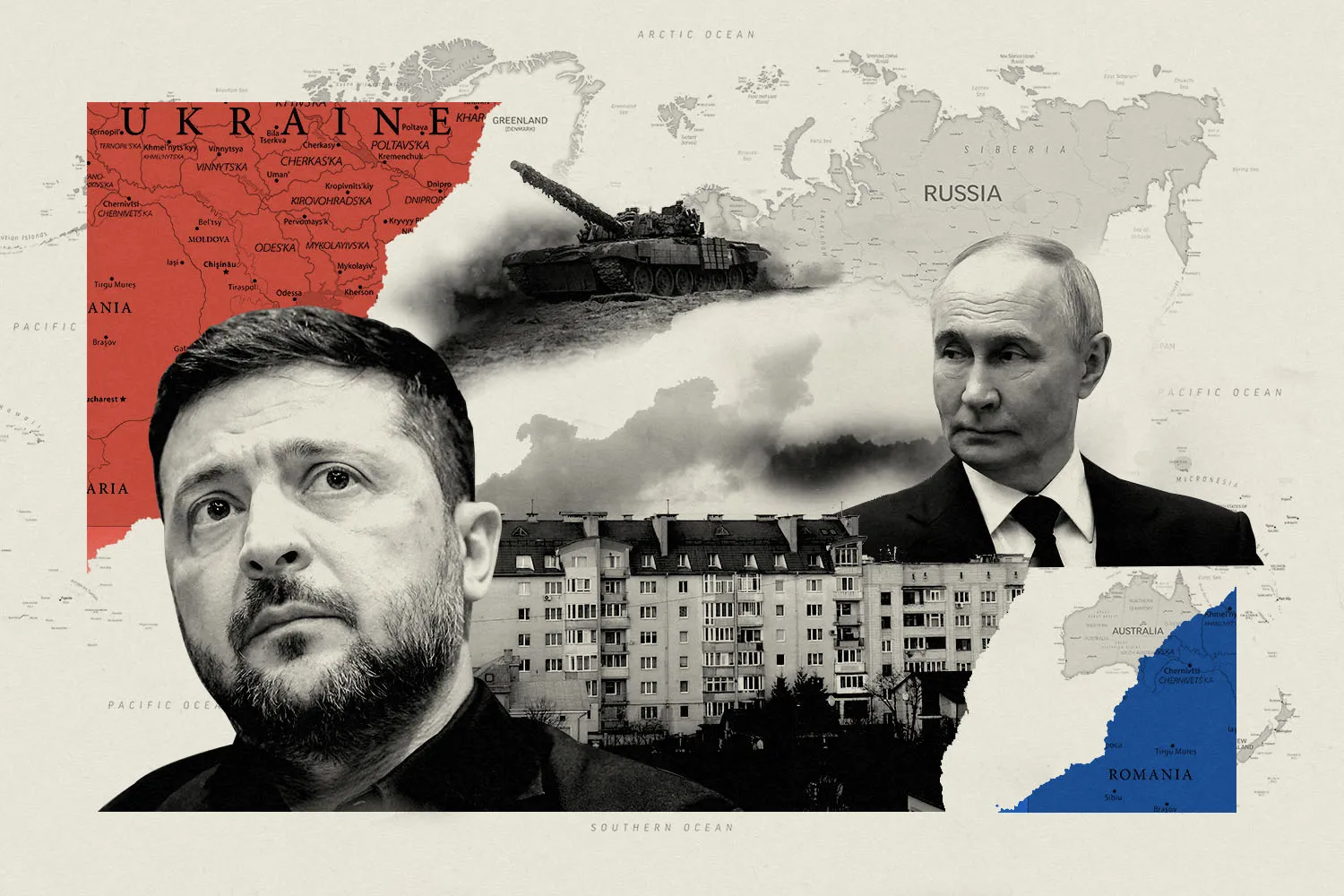
In a diplomatic meeting room far from the battlefield, officials study maps, security proposals and economic data while trying to understand what comes next. The decisions being discussed are not only about one conflict between two countries.
They are about the future structure of international relations.
The war in Ukraine has become one of the most influential geopolitical events of the decade, affecting military strategies, economic policies and diplomatic relationships far beyond Europe.
What began as a regional conflict has developed into a global test of alliances, influence and the changing balance of power.
Since the beginning of the war, countries have been forced to reconsider long-standing assumptions about security and international cooperation. The United States, European nations, Russia and China have all played significant roles in shaping the diplomatic environment surrounding the conflict.
For Europe, the war has transformed debates about defence, energy independence and regional security.
For Russia, the conflict has become connected to questions of national security, strategic influence and its relationship with the wider international system.
For the United States and its allies, support for Ukraine has become part of a broader effort to defend principles of sovereignty and international law.
Meanwhile, China has attempted to position itself as a global actor calling for diplomatic solutions while maintaining its own strategic relationship with Russia.
This complex environment has made Global Diplomacy more important than ever.
Diplomacy is no longer only about negotiations between governments.
It now involves economic sanctions, energy markets, technology restrictions, military partnerships and competition for influence among major powers.
Also Read. The Intelligence Race Reshaping The World
The war has demonstrated that modern conflicts are fought not only on battlefields but also through financial systems, information networks and international alliances.
One of the most significant consequences has been the transformation of global economic relationships.
Western sanctions against Russia have affected trade patterns, energy markets and financial connections. At the same time, Russia has sought alternative economic partnerships, strengthening ties with countries outside the traditional Western alliance system.
This has contributed to a wider debate about the future of the global economy.
Countries around the world are watching closely because the conflict has shown how quickly international economic relationships can change during periods of geopolitical tension.
For many developing nations, including those in Africa, the war has created important diplomatic lessons.
The conflict has demonstrated the importance of strategic independence and maintaining balanced relationships with competing global powers.
Many African countries have avoided taking sides completely, instead seeking partnerships based on economic interests, national priorities and development goals.
This approach reflects the growing importance of Strategic Autonomy.
Strategic autonomy means countries maintaining the ability to make independent decisions while cooperating with different international partners.
For developing economies, this balance can be essential.
Dependence on a single external partner can create vulnerabilities, while diversified relationships may provide greater flexibility in trade, investment and diplomacy.
The conflict has also highlighted the changing nature of security.
Modern security is no longer limited to military strength. It includes food supplies, energy access, cyber protection, economic stability and technological capability.
The war has affected global food markets, energy prices and supply chains, demonstrating how interconnected the world has become.
As diplomatic efforts continue, one of the biggest questions remains whether future negotiations can create a sustainable security framework acceptable to the major actors involved.
Any resolution will likely require difficult compromises and careful diplomacy.
The lessons from Ukraine extend beyond Europe.
They show that in the modern world, conflicts between major powers can affect every region through economics, trade and political relationships.
For countries seeking development and stability, the message is clear.
A changing world requires flexible diplomacy, strong institutions and the ability to protect national interests while engaging with the international community.
The future global order is being shaped not only by those who win conflicts, but also by those who understand how to navigate a world of competing powers.
The Ukraine war continues to influence that transformation.
And its greatest impact may be measured not only by what happens on the battlefield, but by how it changes the way nations interact for generations to come.