MWE Correspondent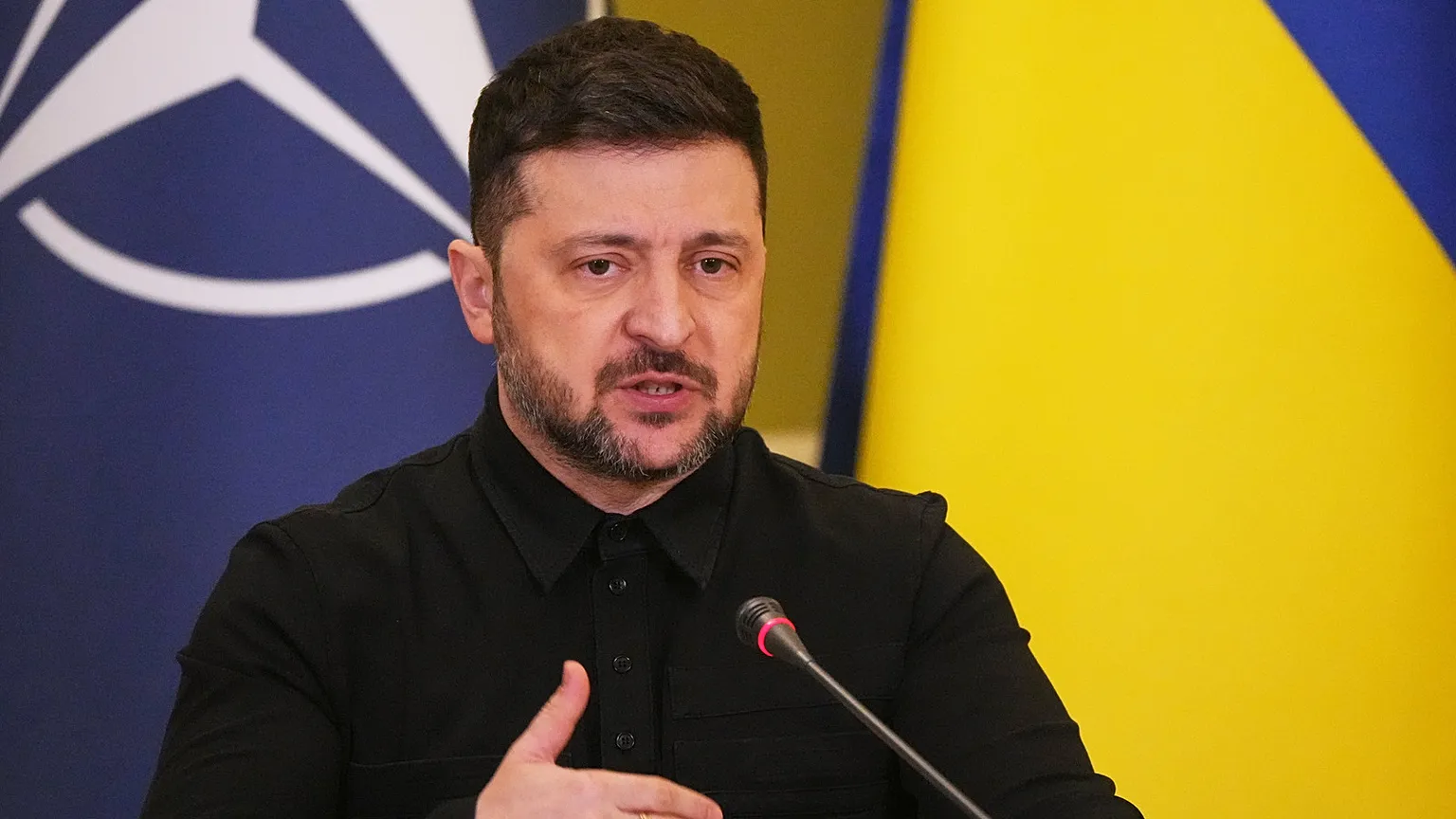
Fresh efforts to end the nearly four‑year war between Ukraine and Russia resumed in Geneva this week, but diplomats are struggling to bridge fundamental differences as fighting continues at an intense pace.
On Tuesday, Ukrainian and Russian negotiators convened in a third round of US‑mediated peace talks, with representatives focused on “practical issues” that could form the basis for broader negotiations. The discussions followed earlier rounds in Abu Dhabi that produced modest steps — such as prisoner exchanges — but did not yield a path toward a comprehensive ceasefire or peace agreement.
Negotiators reconvened on Wednesday, with officials from Germany, the United Kingdom and France also present to support efforts at narrowing differences over key sticking points, including territorial control and security guarantees. Though the talks are being described in diplomatic circles as tense and complex, the United States has cast the resumption as “meaningful progress” toward an elusive truce.
However, the diplomatic process faces substantial headwinds. In the hours before talks began, Russian forces launched a massive wave of drone and missile strikes across Ukraine, hitting energy infrastructure in multiple regions and leaving tens of thousands of civilians without power, water and heat. Kyiv officials condemned the attacks as deliberate attempts to undermine peace efforts, highlighting the paradox of seeking negotiations amid continued conflict.
Ukrainian President Volodymyr Zelenskyy has been clear that any potential peace deal must uphold Ukraine’s sovereignty and territorial integrity. Kyiv has rejected proposals that would see it relinquish control of parts of the Donbas region, arguing that territorial concessions would fuel future instability and undermine the very basis of national sovereignty. Zelenskyy has insisted that any agreement should be subject to a public referendum, reinforcing the importance of democratic legitimacy in any peace plan.
Also Read; African Nations Explore Debt Restructuring Beyond IMF
At the centre of negotiations is the broader question of security guarantees. Ukraine is seeking assurances from Western partners that would protect it from renewed aggression after an agreement is concluded. This issue remains a key point of contention, as Moscow demands recognition of its territorial gains — a position Kiev and its allies have repeatedly called unacceptable.
The ongoing dialogue in Geneva is taking place against the backdrop of intense military engagements. Ukrainian forces have continued to strike strategic targets deep inside Russian territory, including oil refineries and chemical facilities, as part of a sustained offensive aimed at disrupting Moscow’s war effort. These military developments illustrate the complex interplay between diplomacy and battlefield realities, underscoring that peace negotiations in the Russo‑Ukrainian war cannot succeed while violence persists.
International reactions to the negotiation process remain mixed. European leaders have voiced support for diplomatic efforts while calling for continued pressure on Russia, including sanctions and military assistance to Kyiv. Meanwhile, Moscow has reiterated its demand that any negotiated settlement acknowledge its territorial claims and strategic interests.
As negotiations unfold in Geneva, there is cautious optimism that sustained engagement could gradually narrow differences. But with core issues unresolved and combat operations ongoing, diplomats acknowledge that a definitive peace agreement remains elusive — even as world powers watch closely and the war’s wider implications continue to shape global alliances and energy markets.