MWE Correspondent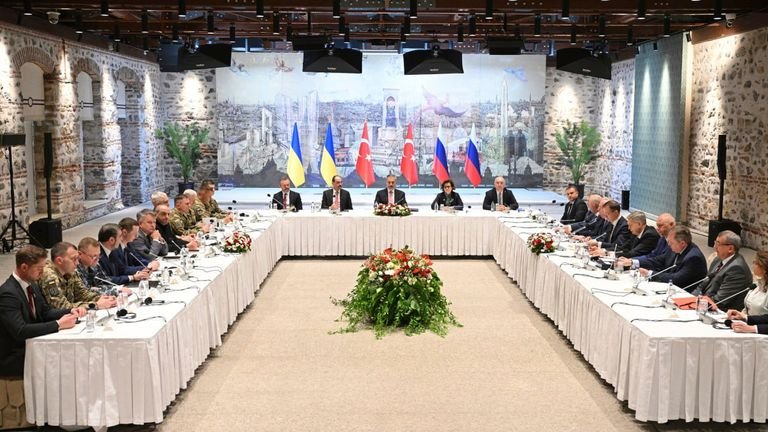
Diplomatic efforts to end the war in Ukraine have entered a delicate new phase, with renewed engagement involving the United States, Russia, the European Union, and other global actors seeking pathways toward de-escalation.
After nearly two years of sustained conflict, battlefield dynamics remain fluid, but diplomatic channels have reopened more actively in recent weeks. Discussions reportedly center on potential security guarantees, territorial arrangements, humanitarian corridors, and phased sanctions adjustments.
Washington continues to support Kyiv with military and financial assistance, while signaling openness to structured negotiations that preserve Ukraine’s sovereignty. Moscow, meanwhile, has reiterated its security concerns regarding NATO expansion and regional military deployments.
European leaders are playing a cautious mediating role, aware that the war has reshaped the continent’s security architecture. The conflict has driven increased defense spending across Europe and accelerated efforts to reduce dependency on Russian energy supplies.
Energy markets remain particularly sensitive. The war disrupted natural gas flows into Europe, triggering price spikes and pushing EU states to diversify suppliers, including expanded liquefied natural gas imports from the United States and new agreements with African and Middle Eastern producers. Though markets have stabilized compared to the peak of the crisis, volatility remains a persistent risk.
China has positioned itself as a potential diplomatic intermediary, advocating for dialogue while maintaining strategic ties with Moscow. Beijing’s involvement reflects the broader geopolitical rebalancing underway, as global powers navigate shifting alliances.
Sanctions remain a central issue in negotiations. Western restrictions on Russian financial institutions, technology exports, and energy revenues continue to weigh on Moscow’s economy, while Russia has adapted through alternative trade arrangements and expanded engagement with non-Western partners.
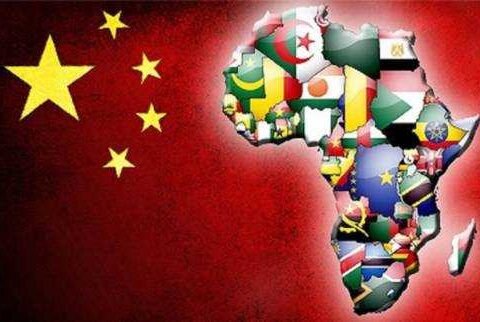
For African nations, the conflict carries significant lessons. Many governments across the continent have adopted non-aligned positions, avoiding direct alignment with either Western blocs or Russia. The war’s economic ripple effects — particularly in grain and fertilizer markets — have underscored the importance of strategic autonomy in foreign policy.
Food security challenges in parts of Africa were exacerbated by disruptions in Black Sea grain exports. Although shipping agreements have periodically eased supply constraints, price fluctuations exposed vulnerabilities in global agricultural supply chains.
Diplomats caution that while renewed talks are promising, fundamental disagreements remain unresolved. Territorial status, long-term security arrangements, and reconstruction financing will require complex compromises.
The outcome of these negotiations will likely redefine global alliances and influence future international conflict mediation frameworks. As major powers recalibrate strategies, smaller and middle-income nations — including those in Africa — are closely observing how global diplomacy evolves.
Whether the coming months yield a sustainable ceasefire or prolonged stalemate, the Ukraine conflict continues to reshape the global political and economic landscape far beyond Eastern Europe.