MWE Correspondent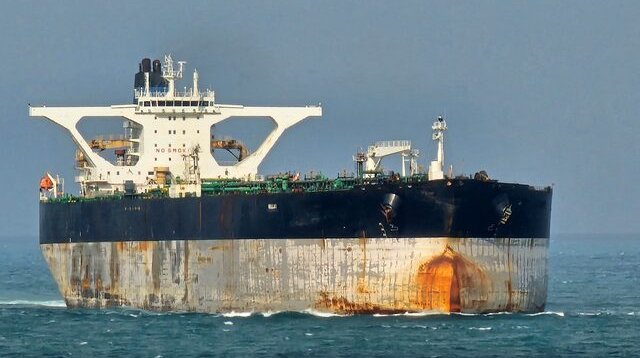
U.S. forces have seized a Russian-flagged oil tanker in the Atlantic Ocean, stepping up enforcement of sanctions linked to Venezuela and adding a new layer of tension to an already complex geopolitical standoff.
The vessel, identified as the Marinera and previously known under a different name, was intercepted on Wednesday after weeks of monitoring by U.S. authorities. Officials said the tanker had connections to Venezuela’s sanctioned oil trade and had recently changed its registration to a Russian flag, a move Washington views as an attempt to evade restrictions.
According to U.S. officials, the tanker was empty at the time it was boarded, but intelligence assessments indicate it had previously been used to transport oil originating from Venezuela. The seizure forms part of a broader effort by the United States to tighten control over oil movements in the region and enforce sanctions aimed at pressuring Caracas.
The operation involved coordination between the U.S. Coast Guard and U.S. military units. It was also supported by allied forces, including surveillance and logistical assistance from the United Kingdom. British Defence Secretary John Healey described the action as part of wider international efforts to curb sanctions evasion and enforce maritime regulations.
The interception followed a tense pursuit in the Atlantic, during which U.S. forces tracked the tanker as it moved through international waters. Reports of Russian naval assets operating nearby raised concerns about the risk of miscalculation or escalation, particularly given strained relations between Moscow and Washington over the ongoing war in Ukraine.
Also Read; China Rejects Any Nation Acting as Global Enforcer
Russia has strongly criticized the seizure, describing it as unlawful and accusing the United States of violating international maritime norms. Russian officials argue that the tanker was legally registered and operating in international waters, and they have demanded clarification regarding the status of the crew and the ship itself.
The incident comes at a sensitive moment in U.S.–Russia relations and amid sustained pressure on Venezuela’s government. Washington has maintained that sanctions are necessary to restrict revenue streams linked to what it describes as authoritarian governance in Venezuela, while critics argue that such measures risk deepening humanitarian and diplomatic challenges.
Energy analysts note that the use of so-called “shadow fleets” — vessels that frequently change names, ownership structures, or flags — has become increasingly common in sanctioned oil trades. These tactics complicate enforcement and have prompted greater cooperation among Western allies to monitor shipping routes and financial networks connected to oil exports.
Beyond the immediate diplomatic fallout, the seizure highlights the strategic importance of maritime control in global energy politics. As a key member of OPEC, Venezuela’s oil exports remain a point of international interest, particularly at a time of volatile energy markets and shifting alliances.