MWE Correspondent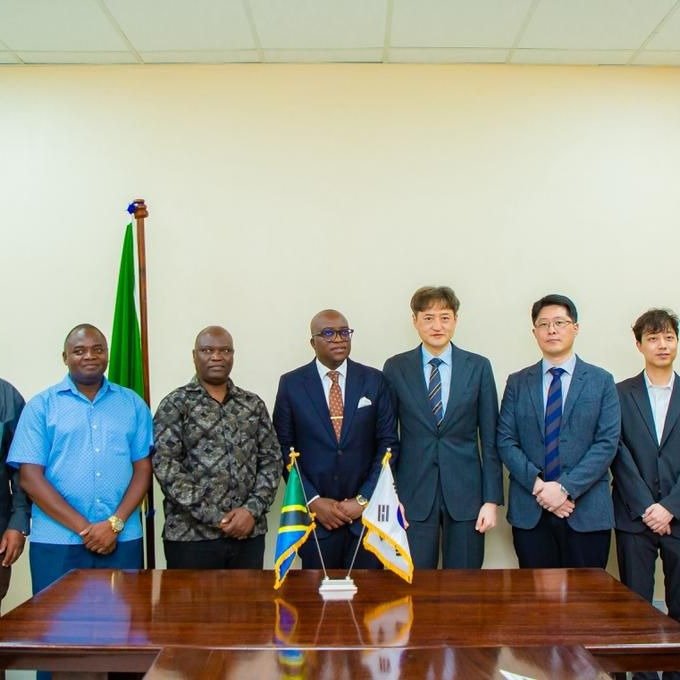
Tanzania has moved a step closer to modernizing its mining industry after unveiling a major initiative aimed at strengthening mineral research, improving digital geological data, and expanding exploration coverage across the country under its long-term Mining Vision 2030 agenda.
The announcement was made on January 26 during discussions between the Minister for Minerals, Anthony Mavunde, and a visiting team of international geoscience specialists, marking a new chapter in Tanzania’s efforts to harness technology for responsible resource development.
Government officials say the country is working toward surveying at least half of its land area by 2030, a goal expected to unlock new mineral potential while providing reliable data to guide investors and small-scale miners alike.
“This program reflects our determination to use modern tools and knowledge to transform the mining sector into a key driver of national development,” Mavunde said, noting that advanced research facilities and digital systems will play a central role in reaching the target.
The project includes plans to establish a state-of-the-art Mineral Technology Center, introduce integrated digital mineral resource databases, and strengthen the skills of local professionals through specialized training programs.
Experts in mineral exploration say such investments are essential for discovering new deposits, improving efficiency, and reducing environmental risks associated with poorly planned mining activities.
The initiative, valued at about $16.5 million, is expected to boost Tanzania’s competitiveness within the global mining industry while encouraging responsible investment.
In addition to technical upgrades, the program will incorporate international sustainability standards aimed at improving environmental protection, workplace safety, and community engagement.
Environmental analysts note that responsible use of modern geological data can significantly reduce land degradation by guiding mining operations toward suitable locations and away from fragile ecosystems.
The government has also emphasized inclusive growth within the sector, announcing continued support for programs that empower women and young people through access to training, financing, and modern mining methods.
Officials believe that providing small-scale miners with reliable mineral information and technical knowledge will help improve productivity while reducing accidents and environmental harm.
Also Read; Senegal Prime Minister to Visit Morocco After AFCON Final
Industry observers say Tanzania’s move aligns with a broader global shift toward sustainable mining, as countries seek to balance economic benefits with environmental responsibility.
As demand rises for minerals used in clean energy technologies and manufacturing, modern exploration systems are increasingly seen as a strategic advantage.
“Tanzania is positioning itself to take full advantage of its mineral wealth by investing in science, technology, and people,” said one mining policy expert. “This approach creates long-term value rather than short-term extraction.”
The modernization drive is expected to attract new investors, increase transparency in the sector, and strengthen government planning for future mineral development.
With improved research capacity and digital infrastructure, officials are confident the mining industry will play a larger role in Tanzania’s economic growth over the coming decade.
For many in the sector, the initiative represents a turning point — one that shifts mining from traditional practices toward a knowledge-driven, sustainable industry built for the future.