MWE Correspondent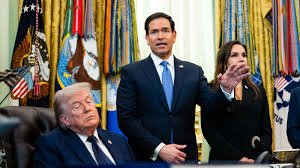
Comments by Donald Trump on 30 April 2026 have introduced a notable diplomatic nuance into preparations for the FIFA World Cup 2026, as geopolitical tensions intersect with global sport.
Speaking from the Oval Office, Trump indicated that he is “OK” with Iran participating in the tournament, aligning himself with assurances previously communicated by Gianni Infantino.
The remarks follow confirmation from FIFA leadership that Iran’s national team is expected to compete despite the ongoing conflict in the Middle East. Trump’s response—“If Gianni said it, I’m OK… let them play”—signals a pragmatic stance that separates sporting participation from broader geopolitical tensions.
The development reflects the enduring complexity of international relations, where political disputes increasingly intersect with global cultural and sporting platforms. The World Cup, as one of the most widely viewed international events, often operates as a neutral arena, even amid strained diplomatic conditions.
From a policy perspective, the position suggests a calculated balance between political messaging and international engagement. Allowing participation does not necessarily indicate a shift in broader foreign policy but highlights the role of sport as a stabilizing channel in periods of geopolitical tension.
This is not unprecedented. Historically, major sporting events have functioned as platforms for symbolic engagement during periods of conflict. The World Cup, governed by principles of inclusivity under FIFA statutes, is positioned within frameworks of globalization, where participation transcends political divisions.
Also Read; Health Insurance Debate Sparks Wider Religious Questions
However, operational challenges remain. Visa restrictions, security considerations, and diplomatic sensitivities continue to shape the practical implementation of such decisions. Reports indicate that while players are expected to be accommodated, questions persist regarding officials and administrative personnel linked to state institutions.
Analysts note that the situation underscores the evolving role of global sports governance in navigating complex geopolitical environments. FIFA’s insistence on Iran’s participation reflects institutional priorities centered on universality and competitive integrity, rather than political alignment.
The broader implication extends beyond football. It highlights how international institutions are increasingly required to manage overlapping domains of politics, law, and cultural exchange. The framework of international law provides limited guidance in such cases, leaving room for negotiated outcomes shaped by political discretion.
For global audiences and stakeholders, the message is one of cautious continuity. The tournament is expected to proceed with all qualified teams, reinforcing the principle that sporting competition remains operational even under strained geopolitical conditions.
This is not a resolution of conflict.
It is a managed coexistence within global systems.