MWE Correspondent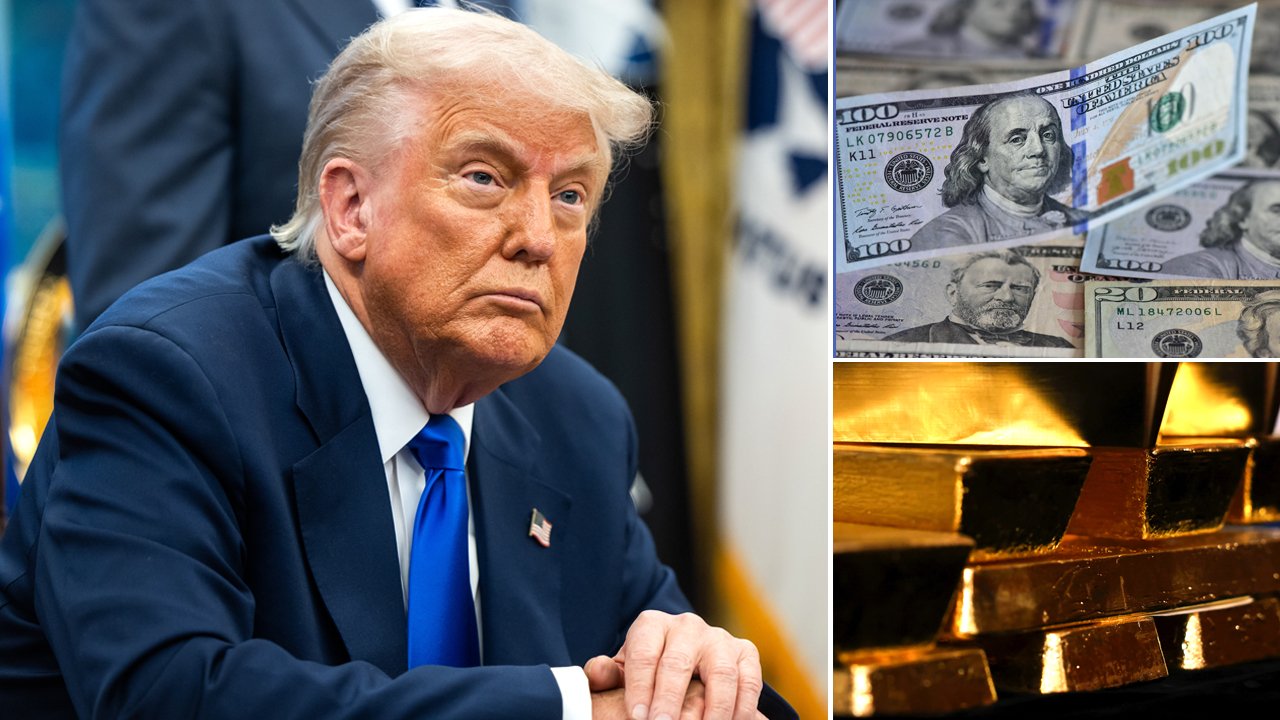
The proposal to place Donald Trump’s signature on U.S. currency has ignited a wider national and global debate, not only about politics, but about the very history and symbolism of American money itself.
For more than two centuries, U.S. currency has served as a reflection of the nation’s identity, values, and continuity. Since the founding of the United States in 1776, the dollar has evolved from fragile colonial notes into one of the most powerful and widely used currencies in the world. Today, the U.S. dollar is the backbone of global trade, held as a reserve currency by central banks and used in transactions across continents.
Historically, American banknotes have followed strict traditions. The faces printed on them—such as George Washington and Abraham Lincoln—are not current leaders, but figures whose legacies have shaped the nation over time. This approach was designed to prevent the politicization of national symbols and maintain public trust in financial institutions.
Equally important are the signatures that appear on U.S. currency. Traditionally, these belong to the Treasury Secretary and the Treasurer of the United States, representing institutional authority rather than individual political leadership. The idea of adding a sitting president’s signature would mark a dramatic shift away from this long-standing norm.
“This is not just a design change—it’s a philosophical shift,” said a historian of American finance. “Currency represents stability and neutrality. Introducing a current political figure into that space raises fundamental questions about precedent and purpose.”
The debate comes at a time when the global financial system itself is undergoing transformation. Digital currencies, mobile payments, and cryptocurrencies are challenging the dominance of traditional cash. Yet despite these changes, the U.S. dollar remains deeply symbolic—not only as a medium of exchange but as a representation of American influence and economic power.
Also Read; Landmark Verdict Holds Tech Giants Accountable
Supporters of the proposal argue that the 250th anniversary of the United States, known as the Semiquincentennial, is a unique moment that justifies bold symbolic gestures. They see the inclusion of Trump’s signature as recognition of contemporary leadership during a historic milestone.
However, critics warn that such a move could open the door to future political influence over currency design. If one sitting president’s name appears on money, they argue, what would prevent others from doing the same? “It risks turning currency into a political canvas,” one policy expert noted.
The controversy also highlights how nations use symbols to shape their historical narrative. In many countries, current leaders have appeared on currency, often as a display of authority or legacy. The United States, however, has largely resisted this approach, emphasizing democratic values and institutional continuity instead.
Beyond politics, the discussion reflects a deeper question: what should money represent? Is it purely economic, or is it also cultural and historical? In the U.S., it has long been both—a tool of commerce and a reminder of the nation’s founding ideals.
As the Semiquincentennial approaches, the proposal to alter U.S. currency has become more than a policy decision. It is now a focal point in a broader conversation about tradition, identity, and the balance between honoring history and shaping the future.
Whether the plan proceeds or faces resistance, one thing is clear: the debate has already reshaped how Americans—and the world—view the meaning of the dollar, not just as currency, but as a symbol of a nation’s past, present, and future.