
 Hassan Magulumali
Tanzania has called on international partners to respect its sovereignty, judicial independence and domestic legal processes, reaffirming that matters concerning the country’s internal affairs should be addressed through mutual respect and diplomatic engagement rather than external interference.
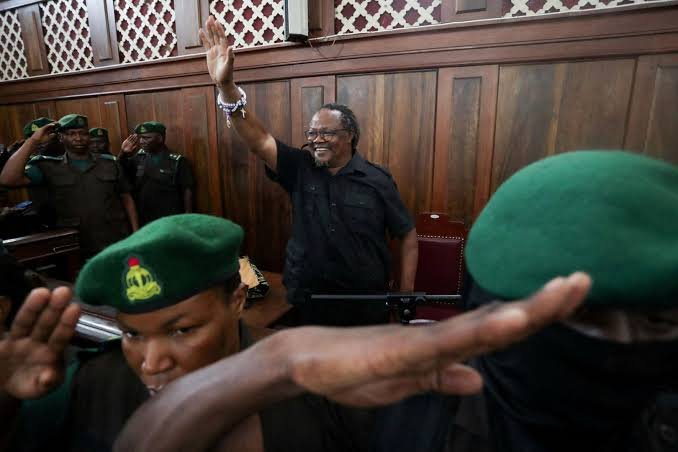
The position was outlined in a press statement issued on November 12 by the Ministry of Foreign Affairs and East African Cooperation, following remarks by Britain’s Minister for Africa and International Development, Kirsty McNeill, concerning the conviction of opposition leader Tundu Lissu.
The ministry said Lissu’s conviction was reached by a competent court in accordance with Tanzania’s Constitution and laws, following due process that included the right to legal representation and a fair hearing.
It also noted that Lissu had been informed of his right to appeal against the court’s decision.
“The independence of the judiciary is a cornerstone of Tanzania’s constitutional order,” the ministry stated, urging all international partners to respect the independence of the country’s judicial institutions and its legal processes.
View this post on Instagram
The statement reinforces Tanzania’s position that national judicial matters fall within the country’s constitutional and legal framework, while emphasising that international relations should be guided by respect for sovereignty and non-interference in internal affairs.
The development also reflects a wider debate about Africa’s right to determine its political, economic and institutional priorities without undue external influence.
In this context, Media Wire Express has continued its campaign advocating for Tanzania and African countries to remain free in making their own decisions, choosing development partners and determining their national priorities without interference from foreign powers.
The campaign emphasises sovereign equality, mutual respect and the principle that African nations should have the freedom to engage with international partners on the basis of their own interests and priorities.
Read More:Tanzania High Court Acquits Tundu Lissu of Treason, Convicts Him of Incitement
It also calls for international relations to move beyond approaches that place African countries in unequal positions, arguing that cooperation should be based on dialogue, respect for national institutions and recognition of Africa’s right to shape its own future.
At the centre of the diplomatic disagreement is the conviction of Lissu, which has attracted attention from the United Kingdom and international human rights organisations.
Britain has raised concerns over the case, reflecting differing perspectives between the two countries on judicial proceedings, political freedoms and human rights protections.
The United Nations Working Group on Arbitrary Detention had also previously raised concerns about aspects of Lissu’s detention and the proceedings against him. Its findings focused on the circumstances of his detention and the legal process examined at the time, rather than serving as a direct review of the subsequent conviction.
However, Tanzania’s latest statement places particular emphasis on the principle that differences between countries should be addressed through established diplomatic channels, without undermining national institutions or constitutional authority.
The country’s position is also grounded in its constitutional framework. Article 107B of the Constitution of the United Republic of Tanzania provides for judicial independence, while Article 13 establishes the principle of equality before the law.
Beyond the immediate disagreement, the statement highlights a broader diplomatic question concerning how countries balance national sovereignty, international partnerships and commitments to human rights.
For Tanzania, respect for sovereignty does not mean abandoning international cooperation. Rather, the government argues that partnerships must operate on the basis of mutual respect, equality and recognition of each country’s institutions and legal systems.
The ministry described relations between Tanzania and the United Kingdom as historic, warm and cordial, built over decades through cooperation in trade, investment, education, development and people-to-people relations.
It said Tanzania attaches great value to the partnership and believes that issues of mutual concern are best addressed through constructive dialogue and diplomatic engagement.
The government also reaffirmed its commitment to upholding human rights and the rule of law, while insisting that international engagement should respect the principle of non-interference in domestic affairs.
Tanzania’s message therefore extends beyond the immediate controversy surrounding Lissu’s conviction, highlighting the importance of sovereign equality, mutual respect and the right of nations to determine their own affairs.


