
 Hassan Magulumali
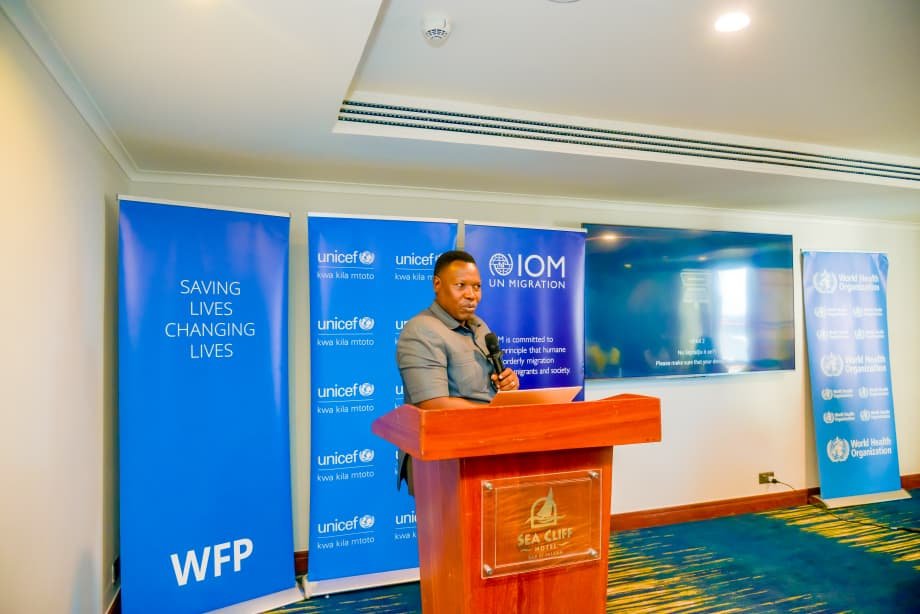
Tanzania’s government has urged public institutions and other stakeholders to address weaknesses identified during a national emergency simulation exercise aimed at strengthening the country’s preparedness for potential El Niño-related floods and other disasters.
The call was made by the Director of the Disaster Management Department in the Prime Minister’s Office, Brigadier General Hosea Ndagala, while closing a two-day National Multi-Agency Simulation Exercise (SIMEX) conducted in Mainland Tanzania.
Ndagala said the exercise provided an important opportunity to assess the country’s emergency preparedness systems, from the national level to local authorities, particularly in inter-agency coordination, institutional responsibilities, information management and timely decision-making during emergencies.
He emphasised that the shortcomings identified during the simulation should not be viewed as failures but rather as opportunities to improve disaster response mechanisms before actual emergencies occur.
“The weaknesses and challenges identified should not be regarded as shortcomings, but as important opportunities to strengthen our preparedness before real disasters occur,” Ndagala said.
He added that the success of the exercise would depend not simply on completing the training but on how participating institutions implement the lessons learned and recommendations to improve their emergency response plans.
The government, he said, would continue working with development partners and other stakeholders to strengthen disaster risk management and ensure that institutions are better equipped to respond to emergencies.
Quoting the Swahili proverb, “If you do not seal a crack, you will eventually have to build a wall,” Ndagala stressed the importance of addressing identified gaps early rather than waiting until heavy rains and flooding expose weaknesses in emergency response systems.
Also Read: Tanzania, Norway Strengthen Energy Partnership
A representative of the Tanzania Police Force, Assistant Commissioner of Police Deogratius Massawe, highlighted the force’s role in search-and-rescue operations and protecting people affected by disasters.
He said police responsibilities extended beyond rescuing victims to ensuring their safety, particularly children who may become separated from their parents or guardians during floods and other emergencies.
Massawe said the Police Gender and Children’s Desks would play an important role in protecting vulnerable children against abuse, exploitation and violence while ensuring they could eventually be reunited with their families.
Meanwhile, Dr Simon Chacha, representing the Emergency and Disaster Management Unit of the Ministry of Health, said the two-day simulation had enabled different sectors to evaluate their preparedness for possible El Niño-related impacts.
He said the exercise assessed emergency response arrangements across critical sectors, including health, construction, infrastructure and agriculture, while examining how existing plans could be implemented if severe weather conditions occurred.
The involvement of these sectors is particularly important because flooding can disrupt health services, damage roads and bridges, affect agricultural production, contaminate water sources and displace communities.
United Nations World Food Programme (WFP) Deputy Country Director in Tanzania, Christine Mendes, reaffirmed the organisation’s commitment to supporting the government in disaster management and preparedness.
She congratulated the participating institutions and urged them to translate the knowledge gained during the exercise into practical action.
Mendes noted that effective preparation could significantly reduce the financial and humanitarian costs associated with responding to disasters and restoring affected communities.
El Niño is a natural climate phenomenon involving the periodic warming of sea surface temperatures in the central and eastern tropical Pacific Ocean. It can influence rainfall patterns in different parts of the world, including East Africa, although its effects vary depending on the season and other climate conditions.
In Tanzania, intense rainfall can increase the risk of flooding, landslides, infrastructure damage, crop losses and waterborne diseases, placing additional pressure on public services and vulnerable communities.
The latest preparedness exercise underscores the importance of early warning systems, coordinated emergency response, resilient infrastructure and community awareness in reducing the impact of climate-related disasters.
The government is therefore urging institutions to strengthen their response plans and address identified weaknesses before emergencies occur, as effective preparedness remains essential to protecting lives, livelihoods and national infrastructure.


