MWE Correspondent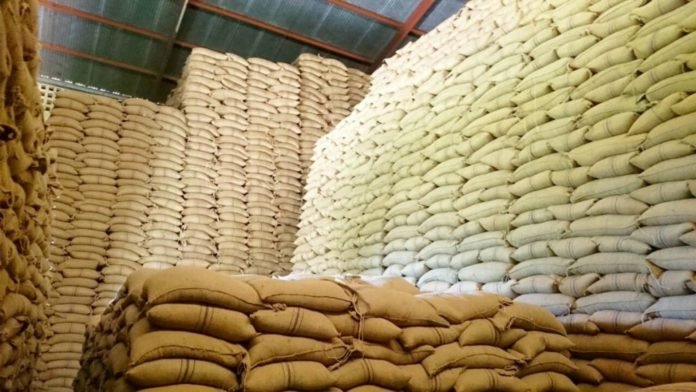
Tanzania has made a significant leap in securing its food future, with national reserves reaching record levels by the end of 2025.
Official figures show that the country now holds around 572,000 metric tonnes of food in strategic storage, marking a milestone in its ongoing efforts to bolster food security.
Government officials highlighted that the increase in reserves is the result of improved planning, better storage facilities, and stronger collaboration with farmers. Maintaining large reserves is seen as a critical measure not only to safeguard the nation against climate-related shocks and market fluctuations but also to stabilize prices and ensure that communities have access to essential food supplies during lean seasons.
Experts say this achievement positions Tanzania as a model for effective food reserve management in the region. Across East Africa, countries have faced growing challenges from droughts, floods, and global supply chain disruptions, making strategic food storage an increasingly vital part of national planning. By expanding its reserves, Tanzania aims to cushion the impact of these uncertainties and provide a reliable safety net for its population.
Also Read: Saif al-Islam Gaddafi to Be Buried in Bani Walid After Killing
The government’s approach includes purchasing surplus harvests from farmers, investing in modern silos and warehouses, and improving post-harvest handling to reduce losses. These measures ensure that grain quality remains high, allowing the reserves to serve their purpose over the long term. Agriculture in Tanzania, which employs the majority of Tanzanians and contributes substantially to the economy, benefits from this stability, as farmers receive fair prices and incentives to maintain productivity.
Analysts also point out that large food reserves can enhance regional stability. Tanzania, with adequate storage, is better positioned to respond to emergencies at home and support neighboring countries during periods of scarcity. However, they caution that maintaining such reserves requires ongoing investment, regular rotation of stored food to prevent spoilage, and transparent management to avoid wastage.
Looking forward, Tanzanian authorities are focused on sustaining this growth by strengthening farmer support programs, expanding storage infrastructure in high-yield areas, and continuing to integrate climate-smart agricultural practices. The country’s success demonstrates how strategic foresight and effective governance can create a more resilient food system in an era of climate uncertainty.