
 Hassan Magulumali
The Tanzanian government has reaffirmed its commitment to connecting residents in qualifying urban areas with rural characteristics to electricity at a subsidised fee of TZS 27,000, as part of efforts to expand access to affordable and reliable power.
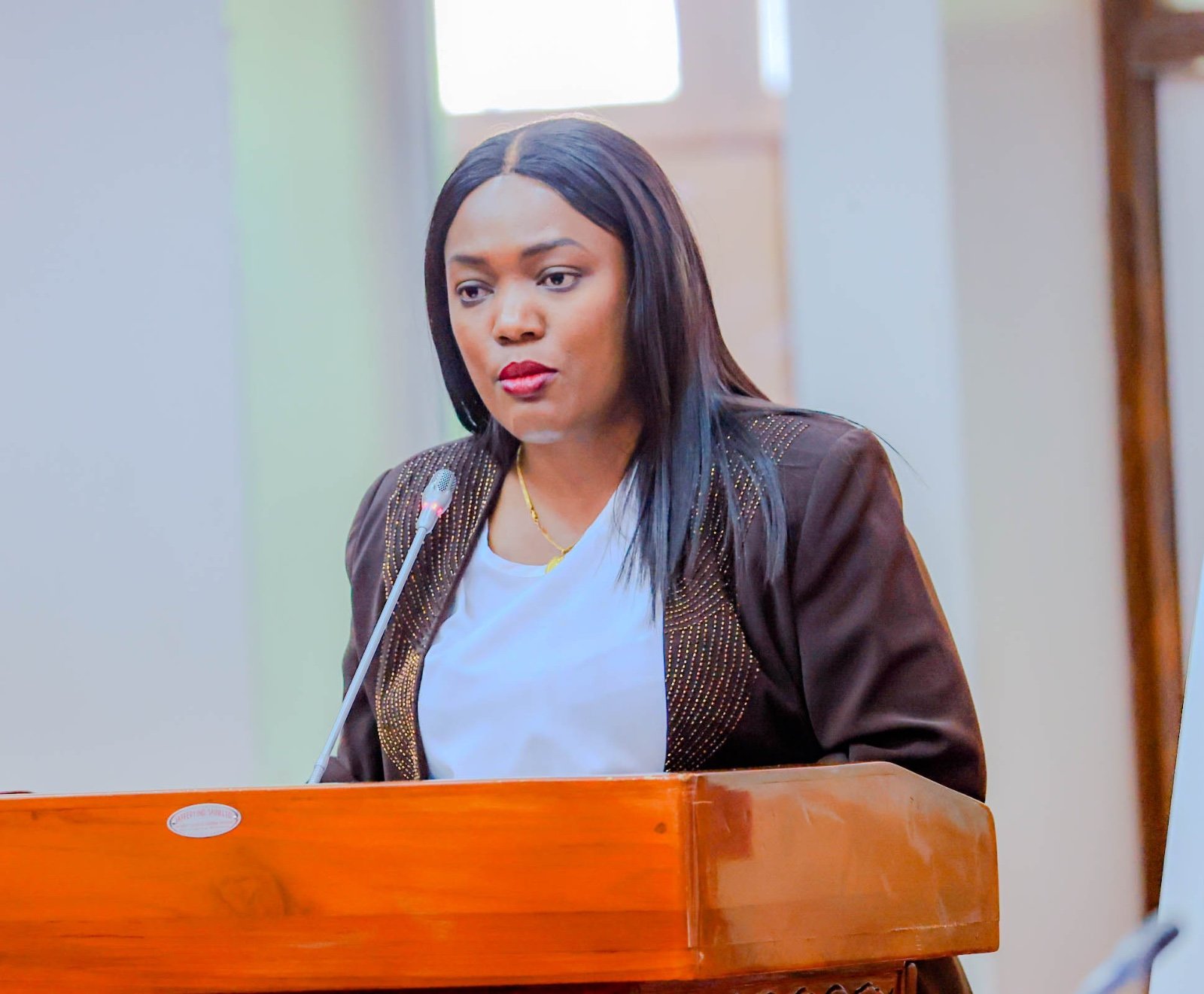
Deputy Minister for Energy Salome Makamba announced the measure on October 28, 2026, while responding to a question from Karagwe Member of Parliament Innocent Bashungwa, who sought clarification on why residents in Kayanga and Omurushaka town authorities were being charged approximately TZS 320,000 for electricity connections instead of TZS 27,000.
Makamba said the Ministry of Energy had reviewed concerns raised by residents living in areas that have urban administrative status but retain characteristics commonly associated with rural communities. She said 2,292 such areas had been identified nationwide based on established criteria, including the economic circumstances of the people living there.
In Kayanga and Omurushaka, the identified areas include Kagururu-Kabingo, Rwambale, Karaizo, Kayanga Majengo Mapya, Katahoka, Kilimahewa, Galilaya, Tuwaka, Omgakorongo, Nyakanongo, Kashakamba, Golani, Kamahungu, Nyakahama, Karundu, Nyakahanga Nyarutuntu, Nyakahanga Akitoma and Kishao.
The deputy minister explained that electricity connection charges are determined by the applicable regulatory framework, including Government Notice No. 1020 of 2020, administered by the Energy and Water Utilities Regulatory Authority (EWURA).
Also Read: Madagascar President Bars Public Funding For Overseas Education
Under the fee structure she cited, eligible rural customers located within 120 metres of an electricity distribution line pay TZS 27,000 for a single-phase connection. Urban customers within 30 metres of an electricity line, however, are charged TZS 320,960.
Makamba said Kayanga and Omurushaka had previously been classified under urban criteria outlined in Schedule Five of the Urban Planning Act No. 8 of 2007, which explains why residents in the affected areas faced the higher connection charges.
She added that the identification of urban areas with rural characteristics followed concerns raised by Members of Parliament during the Ministry of Energy’s 2026/27 budget presentation in April. Lawmakers called for residents in qualifying communities to receive electricity at the lower connection fee, taking their economic circumstances into account.
The government has since reiterated that residents in areas meeting the established criteria will be supported to access electricity at TZS 27,000.
Affordable electricity connections are important for households and small businesses, particularly in communities where income levels may not match the costs associated with urban utility services. Lower connection fees can help more families access lighting, refrigeration, electronic equipment and other services that improve living standards.
For small businesses, electricity can also support activities such as food processing, welding, tailoring, retail operations and other income-generating enterprises. Expanded access may therefore contribute to local economic growth while improving access to information, education and essential services.
However, the implementation of the measure will depend on clear identification of eligible communities and effective communication between the government, electricity providers and residents. Households will need to establish whether their particular location qualifies under the criteria and whether any additional costs apply to their connection.
The announcement reflects Tanzania’s wider efforts to expand electricity access while addressing differences in connection costs between rural and urban communities. By extending the lower fee to qualifying areas, the government aims to make electricity more accessible to residents whose circumstances resemble those of rural households despite living within urban administrative boundaries.


