MWE Correspondent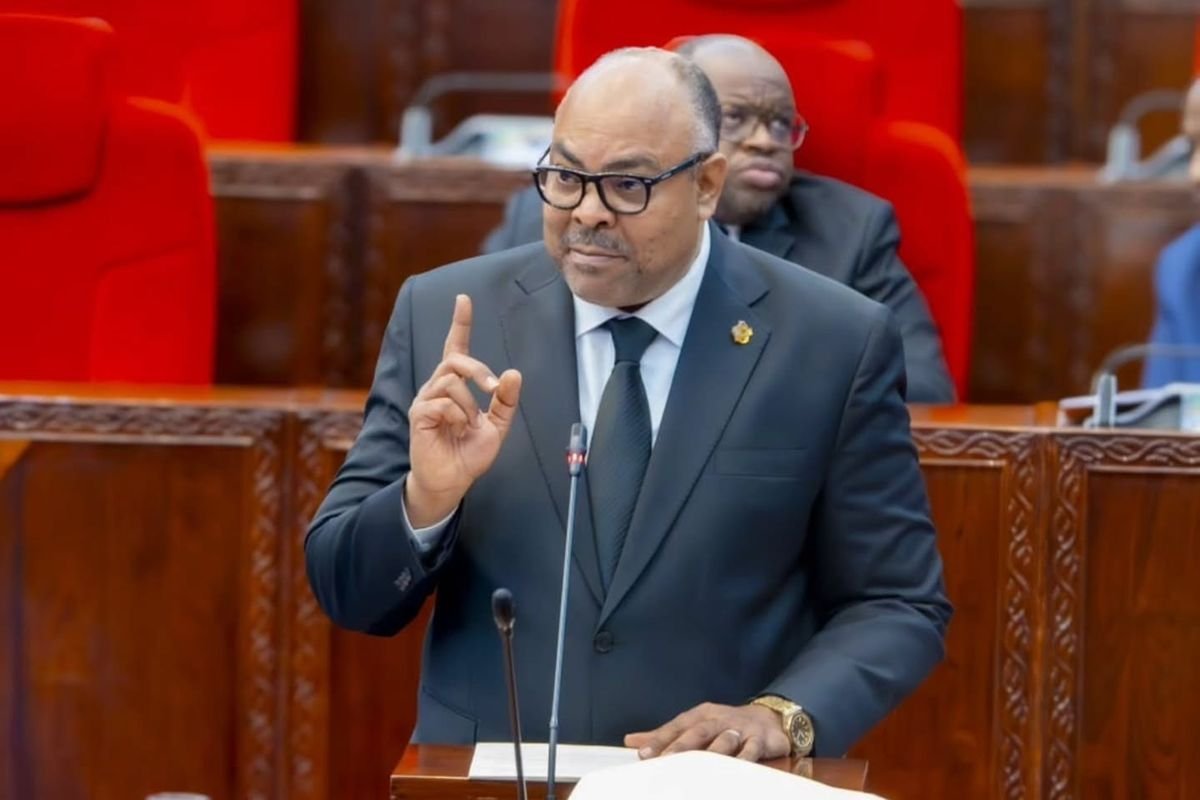
Tanzania’s economic diplomacy has delivered significant gains across trade, investment, infrastructure, healthcare, and tourism, the government told Parliament on Tuesday, highlighting what officials describe as growing international confidence in the country’s economic direction.
Presenting the Ministry of Foreign Affairs and East African Cooperation budget for the 2026/27 financial year, amounting to Sh359.3 billion, Mahmoud Thabit Kombo said Tanzania has increasingly relied on diplomatic engagement to attract concessional loans, grants, and strategic partnerships that support national development priorities.
Kombo told lawmakers that economic diplomacy has become a central pillar of Tanzania’s foreign policy, enabling the country to strengthen international cooperation while securing funding for key infrastructure and social development projects.
One of the most notable achievements highlighted by the minister is the expansion of medical tourism cooperation, particularly through outreach programmes with the Union of the Comoros. According to the government, approximately 3,600 patients were treated through these initiatives, while 1,500 others were referred to Tanzania for specialized medical care, strengthening the country’s position as a regional healthcare hub.
In the infrastructure sector, several major regional projects are progressing, including the Uvinza–Musongati Standard Gauge Railway and the Isaka–Murongo transport corridor, which is expected to enhance connectivity between Tanzania and Uganda. Officials also reported continued progress on the East African Crude Oil Pipeline, which is now about 79 percent complete, marking a significant milestone in regional energy cooperation.
The government also announced that Tanzania secured approximately Sh34 billion in debt relief from China, alongside new financing commitments from partners in Japan, South Korea, and other international investors. These agreements are expected to ease fiscal pressure while supporting long-term development projects.
Also Read; Tanzania Says Citizens Safe Amid South Africa Unrest
Key infrastructure developments include the establishment of a kidney treatment centre at Benjamin Mkapa Hospital, expansion works at Muhimbili National Hospital, and continued development of the Bagamoyo port project, which is seen as a strategic gateway for trade and logistics in East Africa.
In the trade sector, the minister reported increased export performance within the East African Community (EAC) and Southern African Development Community (SADC) markets, driven by improved regional integration and trade facilitation measures. Tanzania’s export growth, he said, reflects stronger competitiveness of local goods and expanding market access across the region.
Tourism remains another major beneficiary of Tanzania’s diplomatic outreach, with the government intensifying promotional campaigns and cultural initiatives aimed at increasing international arrivals. Officials say these efforts are designed to position Tanzania as a leading global tourism destination, leveraging its natural attractions, wildlife, and cultural heritage.
Analysts note that Tanzania’s foreign policy strategy has increasingly shifted toward what is often described as “development diplomacy,” where international relations are directly tied to economic outcomes such as infrastructure financing, healthcare cooperation, and investment inflows.
The minister emphasized that these achievements demonstrate growing investor confidence in Tanzania’s stability and improving economic outlook. He added that the government will continue using diplomatic channels to expand partnerships and attract additional resources for national development.