
 Hassan Magulumali
Tanzania’s Ministry of Natural Resources and Tourism has intensified preparations to protect tourism infrastructure and ensure the continued accessibility of national parks and other tourist attractions ahead of forecast heavy rainfall.
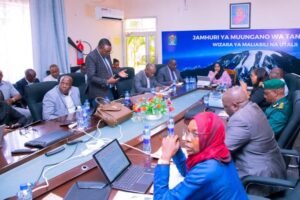
Minister for Natural Resources and Tourism, Dr Ashatu Kijaji, received and reviewed preparedness reports from the ministry and its institutions on October 12, 2026, during a meeting held at the ministry’s offices in Dodoma.
Dr Kijaji stressed the importance of ensuring that roads within national parks and other tourism destinations across the country remain passable throughout the rainy season, enabling visitors to continue accessing attractions safely.
She called on the ministry, its affiliated institutions and conservation authorities to strengthen preparedness measures and ensure that potential disruptions caused by heavy rainfall do not undermine tourism activities or compromise visitor safety.
The preparations follow weather forecasts issued by the Tanzania Meteorological Authority (TMA), which has warned of periods of heavy rainfall requiring relevant institutions to take precautionary measures.
Heavy rains can create significant challenges for Tanzania’s tourism sector, particularly in wildlife conservation areas where unpaved roads, bridges and drainage systems may be vulnerable to flooding, erosion and damage. Such conditions can disrupt safari itineraries, delay transport and make some destinations temporarily inaccessible.
Also Read: Lavrov Accuses Zelensky of Exploiting Trump Ceasefire
Maintaining reliable access routes is therefore essential for protecting tourists, tour operators, park employees and communities whose livelihoods depend on tourism-related activities.
Dr Kijaji emphasised that preparedness should prioritise the continuity of tourism services while ensuring that safety remains central to operations during adverse weather conditions.
Practical measures may include inspecting vulnerable roads and bridges, clearing drainage channels, identifying flood-prone sections and preparing emergency response arrangements where access routes become impassable. Coordination between conservation authorities, road maintenance teams, tour operators and emergency services is also important in responding quickly to weather-related incidents.

For national parks and protected areas, effective preparation can help minimise disruption to wildlife viewing, accommodation services and other visitor activities. However, authorities may need to restrict access temporarily to particular routes or locations if weather conditions pose a threat to human safety or damage sensitive ecosystems.
Tanzania’s tourism industry is an important source of foreign exchange, employment and business opportunities, supporting activities ranging from accommodation and transportation to guiding, hospitality and local handicraft production.
Major destinations, including the Serengeti National Park, Ngorongoro Conservation Area and other protected areas, depend on reliable infrastructure to support visitors throughout the year. Seasonal rainfall is also important for ecosystems and wildlife, but excessive rainfall can create operational difficulties if infrastructure is not adequately maintained.
The ministry’s review of preparedness measures therefore highlights the need to balance tourism continuity with environmental protection and responsible visitor management.
Ensuring that tourist attractions remain accessible does not mean keeping every road open regardless of conditions. Instead, authorities must assess risks, communicate travel advisories and make timely decisions to protect visitors, staff and wildlife.
The ministry’s next challenge will be to ensure that the preparedness plans translate into effective action on the ground, particularly in areas where heavy rainfall could affect transport networks and essential tourism services.
As the rainy period approaches, close coordination between the ministry, TMA, conservation authorities and tourism stakeholders will be crucial to reducing disruptions and safeguarding Tanzania’s reputation as a leading wildlife and nature tourism destination.