MWE Correspondent
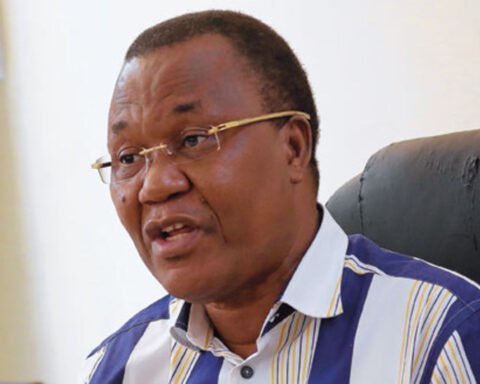
Former Prime Minister and Vice‑President Judge Joseph Warioba has urged Tanzania to publicly disclose how many people died during the unrest that erupted on 29 October 2025, arguing that without an official death toll it is impossible to judge whether the level of force used by security forces was justified or excessive.
In a detailed interview with a national newspaper, Warioba said that the heart of the debate over the clashes between demonstrators and security agencies lies in transparency about the loss of life. Demonstrations broke out across major cities — including Dar es Salaam, Arusha, Mwanza and Mbeya — as many Tanzanians protested what they saw as an uncompetitive election process and the exclusion of key opposition candidates.
“For ordinary citizens trying to understand what happened, the first question must be: how many people were killed?” Warioba explained. “Only when that number is known can we start to assess if the response by the security services was in line with the law and justifiable under the circumstances.”
Warioba highlighted the stark imbalance during the protests between mostly youthful demonstrators and well‑equipped security forces. “When you deal with young people who are essentially unarmed and facing firearms, that context matters,” he said. “And the truth about the fatalities must be clear for all to see.” In recent weeks, rights groups, civil society and international bodies have called for independent investigations into the conduct of the security forces, noting widespread reports of live ammunition, tear gas and other forceful tactics during the unrest.
The government has acknowledged that people died in the violence but has not released a comprehensive, verified tally — a gap that has fuelled competing claims from various sources. Opposition politicians have suggested the fatality figure could be in the hundreds or even higher, while United Nations human rights experts have cited preliminary estimates in the low hundreds.
Also Read; Government Emphasises Dialogue With Religious Leaders
The protests began on election day and quickly spread as young people and others took to the streets following voting in the general election, which saw President Samia Suluhu Hassan declared the winner with an overwhelming share of votes amid allegations of irregularities and a boycott by key opposition figures.
The unrest prompted authorities to impose curfews, deploy the national army and suspend internet services nationwide — actions that rights advocates said hindered communication and obscured independent reporting.
In his remarks, Warioba also emphasized the importance of accountability and due process as Tanzania seeks a path forward. “Transparency isn’t just about numbers,” he said. “It’s about faith in our institutions and confidence in the democratic process. A nation cannot heal or progress without trust in how events of this scale are investigated and understood.”
Warioba’s intervention adds to rising domestic and international calls for clarity, reconciliation and reforms that safeguard civil liberties. Civil society organisations, including regional religious bodies and human rights advocates, have demanded thorough investigations and called on the government to engage with citizens peacefully and transparently — key ingredients, they argue, for sustaining peace and democratic governance in Tanzania.