MWE Correspondent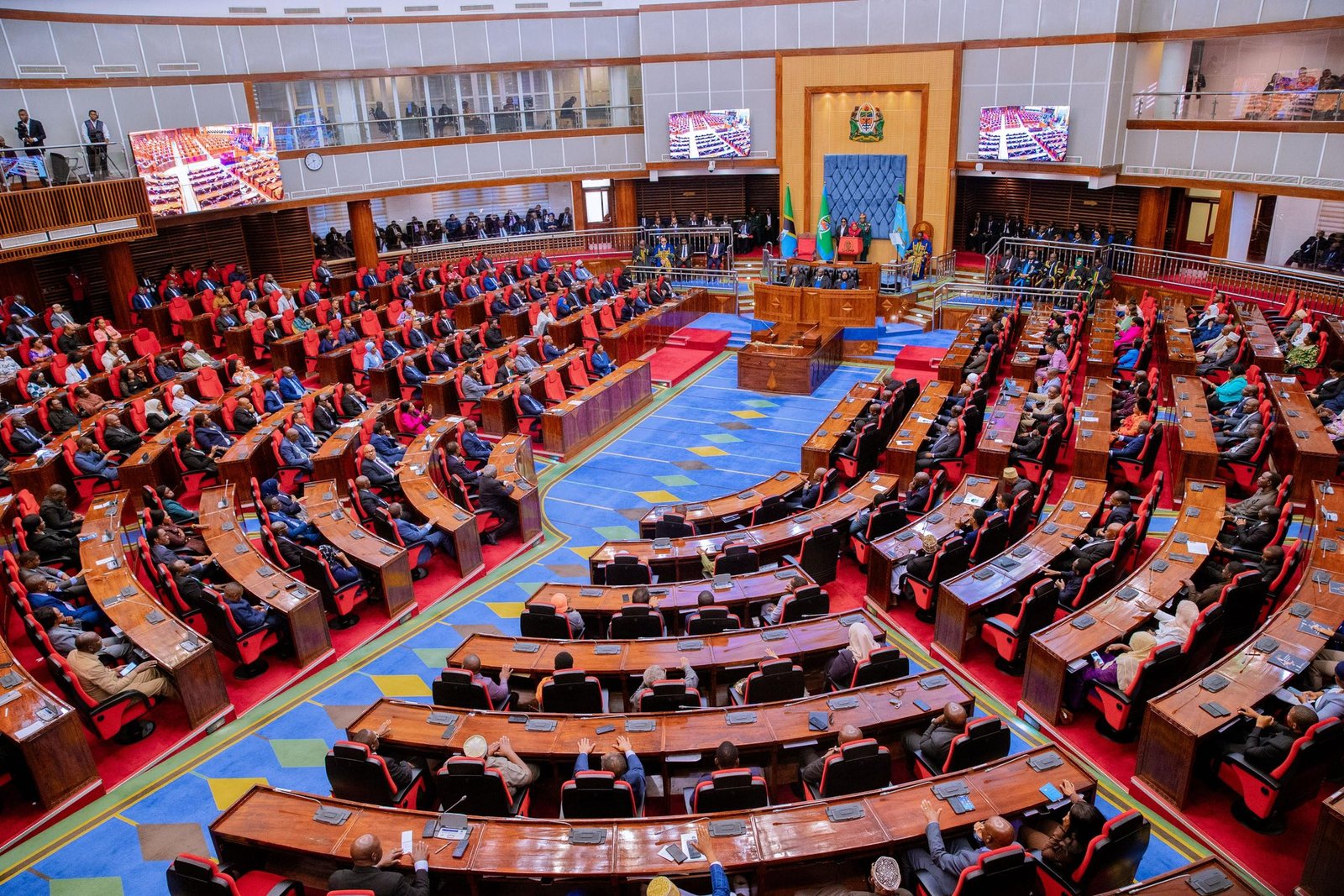
The Tanzanian government has taken a major step toward implementing its long-term development strategy by preparing to table three key planning instruments in Parliament, laying the foundation for the rollout of the country’s ambitious National Development Vision 2050.
The move signals the official transition from policy formulation to execution, as the government seeks to steer economic growth, social transformation, and institutional reforms over the next 25 years.
Speaking to journalists in Dodoma, the Executive Secretary of the National Planning Commission, Dr Fred Msemwa, said the documents will provide a structured roadmap for translating Vision 2050 into concrete actions across all sectors.
The first instrument is a 25-year Long-Term Perspective Plan covering the period from the 2026/27 financial year to 2050/51. It outlines Tanzania’s long-range development priorities, including industrial expansion, infrastructure modernisation, human capital investment, and environmental sustainability.
The second is the Fourth Five-Year Development Plan, which will guide medium-term implementation from 2026/27 to 2030/31 by setting measurable targets and sector-specific programmes. The third is the proposed National Development Plan for the 2026/27 financial year, which will detail immediate projects and budget allocations to kick-start the new development cycle.
Dr Msemwa explained that the three frameworks are designed to work in coordination, ensuring long-term goals remain aligned with short-term government actions.
Also Read; US Senator Warns of Rift in Uganda Security Ties
“These instruments will help ensure continuity in national planning and provide clear direction for public institutions, private investors, and development partners,” he said.
Vision 2050 builds on Tanzania’s previous development strategies and reflects the government’s desire to sustain economic progress while improving the quality of life for citizens. Key focus areas are expected to include modern agriculture, manufacturing growth, digital transformation, renewable energy, healthcare access, and education reforms.
The vision is also closely aligned with global development benchmarks such as the Sustainable Development Goals, which emphasise poverty reduction, inclusive growth, and environmental protection.
Once presented to the Parliament of Tanzania, lawmakers will debate the proposals and offer policy guidance before full implementation begins in July. Parliamentary approval is viewed as essential to securing political commitment and long-term budgetary support.
Economic analysts say Tanzania’s structured planning approach could strengthen policy consistency and boost investor confidence, particularly in large infrastructure and industrial projects that require long-term stability.
However, they also caution that successful implementation will depend on transparency, efficient public spending, and strong coordination between national and local governments.
Dr Msemwa stressed that public participation will remain central to the process, noting that development cannot be achieved by government alone.
“The private sector, civil society, and ordinary citizens all have a role to play in turning Vision 2050 into reality,” he said.
As Tanzania prepares to embark on this new development phase, expectations are high that the strategy will help address unemployment, economic inequality, and climate challenges while positioning the country as a competitive regional economy.
For many observers, the coming years will test whether the ambitious plans outlined in Vision 2050 can be effectively translated into real improvements in livelihoods and national prosperity.