 Hassan Magulumali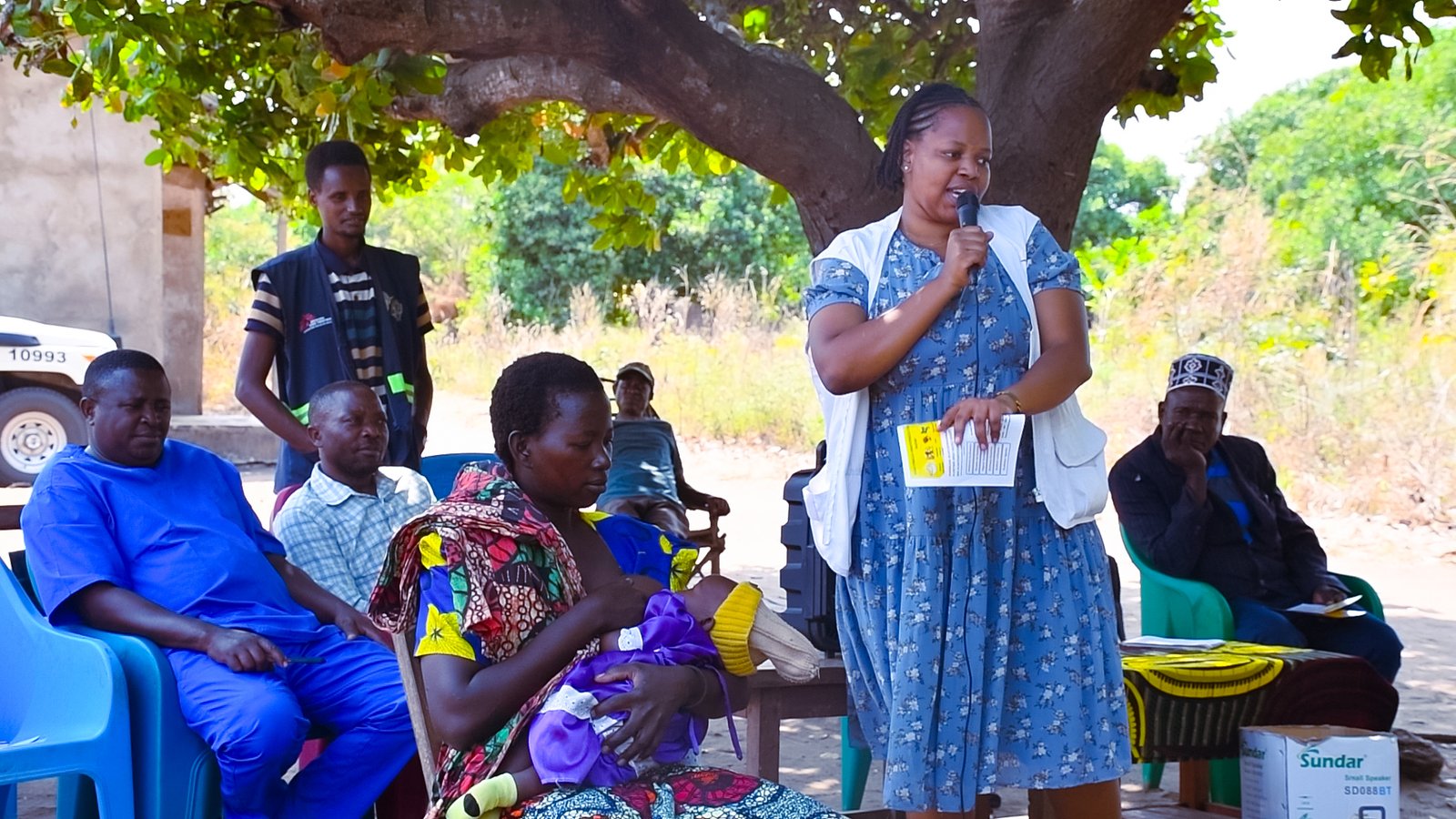
Médecins Sans Frontières (MSF) has continued to improve community awareness of the importance of breastfeeding through Community Health Workers (CHWs), particularly in the Kimambi -Liwale District, Lindi Region.
Speaking during a discussion held in Kimambi to mark World Breastfeeding Day, MSF Health Promotion Officer Shangwe urged parents to start breastfeeding their babies within one hour of delivery, explaining that this helps babies bonding between the mother and baby.
Shangwe also urged parents to avoid giving cow’s milk to newborns from 0 to 6 months emphasising that breast milk contains essential nutrients for children’s growth and health. She said breastfeeding also benefits mothers, including by reducing the risk of certain health problems such as breast cancer, while frequent breastfeeding can also support birth spacing.
“Breastfeeding is not solely the responsibility of the mother but requires the involvement of the entire family, including fathers, who should ensure that mothers have adequate time to rest and a supportive environment in which to care for their babies,” She said.
Mohammed Abdallah Mtende, a Nurse-Midwife and Officer in Charge of Kimambi Dispensary, said Community health worker have played a significant role in increasing community awareness of breastfeeding and maternal and child health services.
He said that previously, some women, particularly in pastoralist communities, did not breastfeed their babies immediately after delivery and instead gave them only cow’s milk so as to do as home chores which he said contributed to various health challenges among children.
Mtende said that through health education provided by community health workers, community engagement has increased significantly, with more people attending health activities to receive information and services.
Read More: Kimambi Dispensary Sees Growth in Maternal Health Services Through MSF Partnership
Mussa Mshamu Litako, a Community Health Worker from Kimambi village who has worked in the role for approximately four years since MSF began providing services in the area, said the health education has brought significant changes in the use of healthcare services.
He said that when he started working, there were major gaps in awareness. Some parents did not take their children to health facilities when they became ill, while some women delayed starting antenatal care, with others attending their first clinic visit when they were already six, seven or even eight months pregnant.
“Now the changes are significant. Women start antenatal care early, and children are taken for healthcare when they become ill,” Litako said.
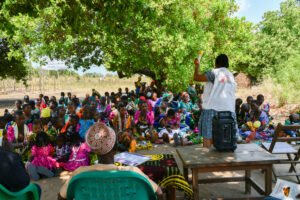
He commended MSF for facilitating health education through Community Health Worker and for involving household heads, particularly men. This approach helped address previous challenges, when Community health workers found it difficult to provide health education directly to women without the support and involvement of household leaders.
According to Litako, healthcare services are now increasingly trusted by the community, with the facility receiving an average of between 150 and 160 children on immunization days, which are held once a month.
Hadija Lipinga, a resident of Kimambi and mother of twins, thanked MSF for the support she received after giving birth to her babies at seven months of pregnancy, with each weighing approximately one kilogram, at Liwale district Hospital.
Hadija said her babies stayed in hospital for approximately one month, during which she received support and education from MSF specialists, particularly on the proper way to breastfeed premature babies.
She said the education helped her understand the correct breastfeeding techniques and the importance of breast milk before introducing other foods.
In Kimambi, mothers and families are increasingly turning to antenatal clinics. Seeking maternal and child healthcare services and embracing breasfeeding as a result of MSF`s work alongside community health workers and the community itself.Through this collaboration awareness has grown and access to essential care has steadly strengthened.