 Hassan Magulumali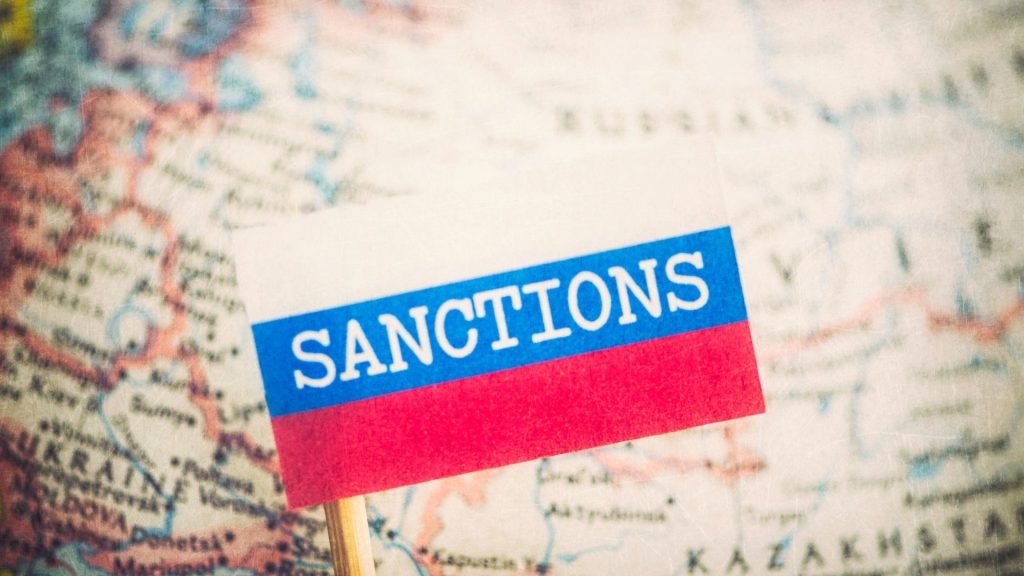
When governments impose economic sanctions, they are often presented as a weapon aimed at political leaders, state institutions or companies. But in countries such as Zimbabwe, Cuba and Venezuela, the consequences have frequently reached far beyond government offices — affecting workers, farmers, patients, businesses and ordinary families.
For African countries, this raises a fundamental question: When economic pressure is imposed on a government, who actually pays the price?
Zimbabwe provides one of the clearest examples. United Nations human-rights reporting has documented how unilateral sanctions and related financial restrictions contributed to difficulties in accessing credit, financing agriculture and maintaining essential infrastructure. The UN reported that these measures had humanitarian consequences, including effects on food security, livelihoods and access to basic services.
The consequences are particularly significant for ordinary people because modern economies depend on international banking, insurance, investment and trade. Even when sanctions are formally directed at particular individuals or institutions, banks and international companies may become reluctant to conduct transactions involving the sanctioned country.
In 2026, United Nations officials warned that fuel shortages amid longstanding US financial and trade restrictions were affecting healthcare, water supplies, food distribution and other essential services. The UN reported that more than 80 percent of Cuba’s water-pumping equipment depends on electricity, making energy shortages a direct threat to access to safe water and sanitation.
The humanitarian consequences are not theoretical. A 2026 UK Parliament research briefing reported that fuel shortages had contributed to blackouts, transportation disruptions and delays to essential medical services, while more than 100,000 patients were waiting for surgeries delayed by power outages and supply shortages.
Research published in Challenge examined US sanctions imposed on Venezuela from 2017 and concluded that the largest effects fell on the civilian population rather than the government, including reduced access to food and worsening health outcomes.
There is, however, an important dispute over causation. Other analysts argue that Venezuela’s economic and humanitarian crisis had already become severe before the major sectoral sanctions were introduced, meaning that sanctions cannot by themselves explain the country’s collapse.
Read More:How Financial Power Can Become Political Pressure
That disagreement does not eliminate the broader issue: economic sanctions can add another layer of pressure to populations already facing economic hardship.
For Africa, this should be treated as a sovereignty question
African economies remain deeply connected to external financial institutions, international currencies and global supply chains. A policy decision taken in Washington, Brussels or another foreign capital can therefore affect the ability of African businesses to obtain financing, purchase equipment, receive payments or trade with countries under sanctions.
The danger is that ordinary Africans can become collateral victims of geopolitical conflicts in which they have no voice.
Africa has already experienced the consequences of externally imposed economic decisions throughout its modern history. The continent’s economies cannot afford another system in which access to finance, technology, trade and essential commodities becomes dependent on political alignment with powerful foreign states.
Sanctions may be announced against governments, presidents or state-owned companies. But when they restrict banking channels, investment, trade, fuel supplies and access to international markets, their consequences can travel through the economy until they reach the people standing furthest away from political decision-making.
A policy intended to pressure a government can ultimately become a burden carried by an entire population.
For Africa, the strategic lesson is not simply about supporting or opposing one government. It is about building economic systems capable of protecting African populations from external financial coercion — through stronger intra-African trade, independent payment systems, diversified international partnerships, local production and greater control over the continent’s financial infrastructure.
The real question is therefore not only whether sanctions punish governments.
It is whether the people who have the least power to change government policy are the ones who end up paying the highest price.