 Hassan Magulumali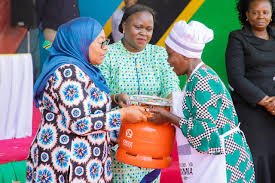
President Dr. Samia Suluhu Hassan’s commitment to expanding access to clean cooking energy is rapidly transforming the lives of millions of Tanzanians while positioning the country as one of Africa’s leading champions of the clean energy transition.
Since assuming office, President Samia has placed clean cooking energy at the center of Tanzania’s development agenda, recognizing its importance in improving public health, protecting the environment, empowering women, and accelerating economic growth.
One of the government’s key strategies has been the launch and implementation of the National Clean Cooking Energy Strategy, which aims to significantly reduce dependence on firewood and charcoal while increasing the use of cleaner alternatives such as liquefied petroleum gas (LPG), electricity, biogas, and improved cookstoves.
Under President Samia’s leadership, access to clean cooking energy has increased substantially, rising from 6.9 percent in 2021 to more than 23 percent in 2025. The achievement reflects coordinated efforts involving government institutions, the private sector, development partners, and financial institutions.
The government has also introduced subsidies and financing mechanisms to make clean cooking technologies more affordable for households. These initiatives include the distribution of subsidized LPG cylinders, improved cookstoves, and pilot projects that allow citizens to acquire electric cooking appliances through flexible payment arrangements.
Another major strategy has been encouraging financial institutions to provide affordable loans to entrepreneurs involved in the clean cooking value chain. This has expanded investment opportunities and improved the availability of clean cooking products in both urban and rural areas.
President Samia’s administration has further strengthened awareness campaigns nationwide to educate citizens on the health and economic benefits of transitioning from traditional fuels. The campaigns have played a crucial role in changing perceptions and increasing adoption of cleaner energy solutions.
The government has also taken bold policy measures by restricting the use of firewood and charcoal in large public institutions serving more than 100 people daily. The move is expected to drive large-scale adoption of clean cooking technologies across schools, hospitals, colleges, prisons, and other public facilities.
Also Read:Tanzania Accelerates Clean Cooking Energy Transition
Benefits of the Clean Cooking Energy Agenda
The transition to clean cooking energy is delivering numerous benefits to Tanzanians.
Improved Public Health:
The use of clean cooking technologies reduces exposure to harmful indoor air pollution caused by smoke from firewood and charcoal. This helps lower cases of respiratory diseases, especially among women and children who spend significant time near cooking areas.
Environmental Conservation:
Reduced dependence on firewood and charcoal contributes to forest conservation, protects biodiversity, and supports national efforts to combat climate change.
Economic Savings:
Many households are benefiting from more efficient cooking technologies that reduce fuel consumption and lower long-term energy costs.
Women’s Empowerment:
The adoption of clean cooking solutions reduces the time spent collecting firewood, allowing women and girls to focus on education, business activities, and other productive pursuits.
Job Creation and Investment:
The growing clean cooking sector is creating employment opportunities in manufacturing, distribution, installation, maintenance, and energy services. It is also attracting local and international investment into Tanzania’s energy sector.
Enhanced Energy Security:
By diversifying cooking energy sources and promoting renewable energy solutions, Tanzania is strengthening its energy resilience and reducing pressure on natural resources.
As Tanzania moves toward achieving the goals of Vision 2050 and Sustainable Development Goal 7, President Samia’s clean cooking energy agenda is increasingly being viewed as a model for sustainable development that combines economic growth, environmental protection, and social transformation.
With continued investment, policy support, and public participation, the country is expected to make even greater strides toward ensuring that every Tanzanian household has access to clean, safe, and affordable cooking energy.