MWE Correspondent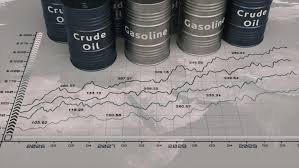
A renewed surge in oil prices is sending shockwaves through the global economy, reviving concerns about inflation, economic growth, and financial stability at a time when many countries are still navigating a fragile post-pandemic recovery.
As geopolitical tensions persist in key energy-producing regions, governments, businesses, and investors are increasingly preparing for a period of heightened uncertainty in global energy markets.
The latest increase in crude oil prices reflects more than short-term market volatility. It highlights the continuing vulnerability of the global economy to disruptions in energy supply. Despite rapid growth in renewable energy investments, oil remains a fundamental component of transportation, manufacturing, aviation, shipping, and industrial production. Consequently, even moderate price increases can have significant economic consequences across multiple sectors.
The economic implications are far-reaching. Higher energy costs tend to increase transportation expenses, raise production costs for manufacturers, and contribute to broader inflationary pressures. Consumers often feel the effects through higher fuel prices and rising costs for goods and services. Policymakers are therefore closely monitoring developments in the global energy market, recognizing that prolonged price increases could complicate efforts to sustain economic growth while maintaining price stability.
Central banks face particular challenges in this environment. Many monetary authorities have spent recent years attempting to balance inflation control with economic expansion. Rising energy costs can undermine those efforts by fueling inflation even as higher prices reduce consumer spending power. The resulting policy dilemma is becoming increasingly important for both advanced and emerging economies.
The geopolitical dimension is equally significant. Energy has long been a source of strategic influence, and recent developments have reinforced the connection between international security and economic stability. Governments are reassessing supply vulnerabilities, expanding strategic reserves, and strengthening partnerships with major producers. Discussions concerning global oil production coordination have gained renewed attention as market participants evaluate the balance between supply availability and future demand.
Trade patterns are also being affected. Higher shipping and transportation costs can alter commercial flows, increase import bills, and place pressure on countries that depend heavily on imported energy. Developing economies are particularly vulnerable because energy expenditures often account for a larger share of national budgets and foreign exchange requirements. As a result, fluctuations in oil prices can influence everything from trade balances to fiscal planning.
Also Read. Russia Visit Promises Broad Tanzania Gains
Investment trends are evolving in response to these challenges. Energy producers are benefiting from stronger revenues, while investors are increasingly directing capital toward projects that enhance energy security and supply diversification. The growing emphasis on renewable energy development is also accelerating as governments seek long-term solutions that reduce exposure to future fossil fuel market disruptions.
The broader global context suggests that energy markets are entering a period of structural change. Population growth, industrial expansion, technological development, and the global energy transition are simultaneously increasing demand for reliable energy while reshaping how that energy is produced and consumed. The result is a more complex and interconnected market environment where regional disruptions can quickly generate worldwide consequences.
Looking ahead, much will depend on geopolitical developments, production decisions, and global economic performance. Continued tensions could keep prices elevated and sustain inflationary pressures, while improved diplomatic conditions may help restore market confidence. Either way, governments and businesses are likely to place greater emphasis on resilience, diversification, and long-term energy planning.
The broader message is becoming increasingly clear.
Energy security is emerging as one of the defining economic and strategic challenges of the modern era, influencing decisions that extend far beyond the oil market itself.
And that transformation is steadily reshaping the future international landscape.