Joseph Isangura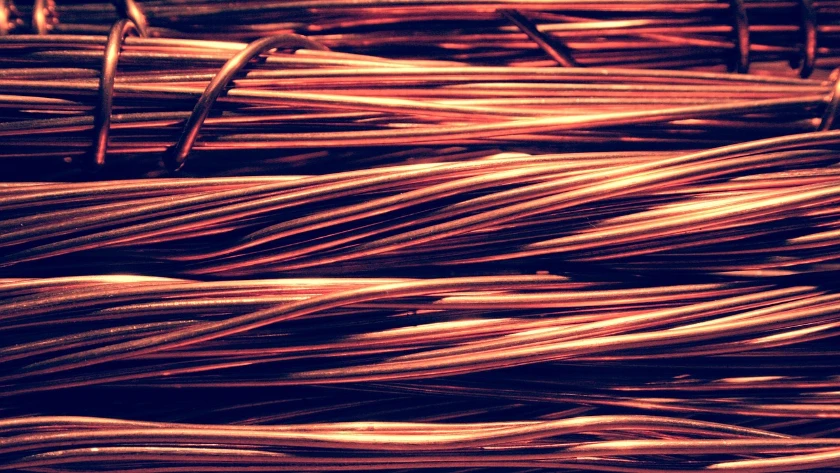
Copper prices have climbed to a historic high above $13,000 a tonne, sending a wave of optimism through mining communities and policymakers in Tanzania as the metal’s global importance continues to grow.
The rally marks the first time copper has broken through the $13,000 threshold on international markets, underlining just how tight global supply has become. Prices on major exchanges surged after renewed concerns over production disruptions in South America, a region that plays a central role in supplying the world’s copper. Traders say the latest shock has reinforced long-standing fears that supply is struggling to keep pace with demand.
Copper is often described as the backbone of modern industry. It is essential for electricity transmission, construction, electronics and transport, and its role has expanded rapidly in recent years. As countries invest heavily in renewable power, electric vehicles and modern electricity networks, demand for copper has accelerated, pushing prices steadily higher.
For Tanzania, the surge is being closely watched as a potential turning point. The country is endowed with a range of mineral resources and has been working to strengthen its mining sector as a key pillar of economic growth. Higher copper prices improve the economics of exploration and development, making previously marginal projects more attractive to investors. Industry observers say this could unlock new opportunities, particularly if the price rally is sustained.
Mining analysts caution, however, that global copper supply remains fragile. Many of the world’s largest mines are aging, and bringing new projects into production can take years due to financing, regulatory approvals and infrastructure requirements. Even short-term disruptions can therefore have an outsized impact on prices, as the market has little spare capacity to absorb shocks.
Also Read; United States Suspends Immigrant Visa Processing Worldwide
The metal’s rising value is also closely linked to the global push for cleaner energy. Electric vehicles use significantly more copper than conventional cars, while solar panels, wind turbines and power grids are all highly copper-intensive. As governments pursue ambitious climate targets, demand linked to renewable energy is expected to remain strong for the foreseeable future.
In this context, copper is increasingly being viewed as a strategic resource rather than just another industrial metal. Some countries have begun classifying it as critical to economic security, a shift that could reshape investment patterns and trade relationships. For producer nations, this creates both opportunity and responsibility, particularly around managing resources sustainably and ensuring local communities benefit.
While prices may fluctuate in the short term as markets react to new developments, the broader outlook for copper remains firm. Analysts believe structural demand, combined with limited new supply, will continue to support elevated prices.
For Tanzania, the moment offers a chance to position itself more strongly in the global minerals market. If supported by clear policies, responsible investment and infrastructure development, the copper price boom could contribute meaningfully to economic growth and integration into global trade at a time when demand for strategic minerals is reshaping the world economy.