MWE Correspondent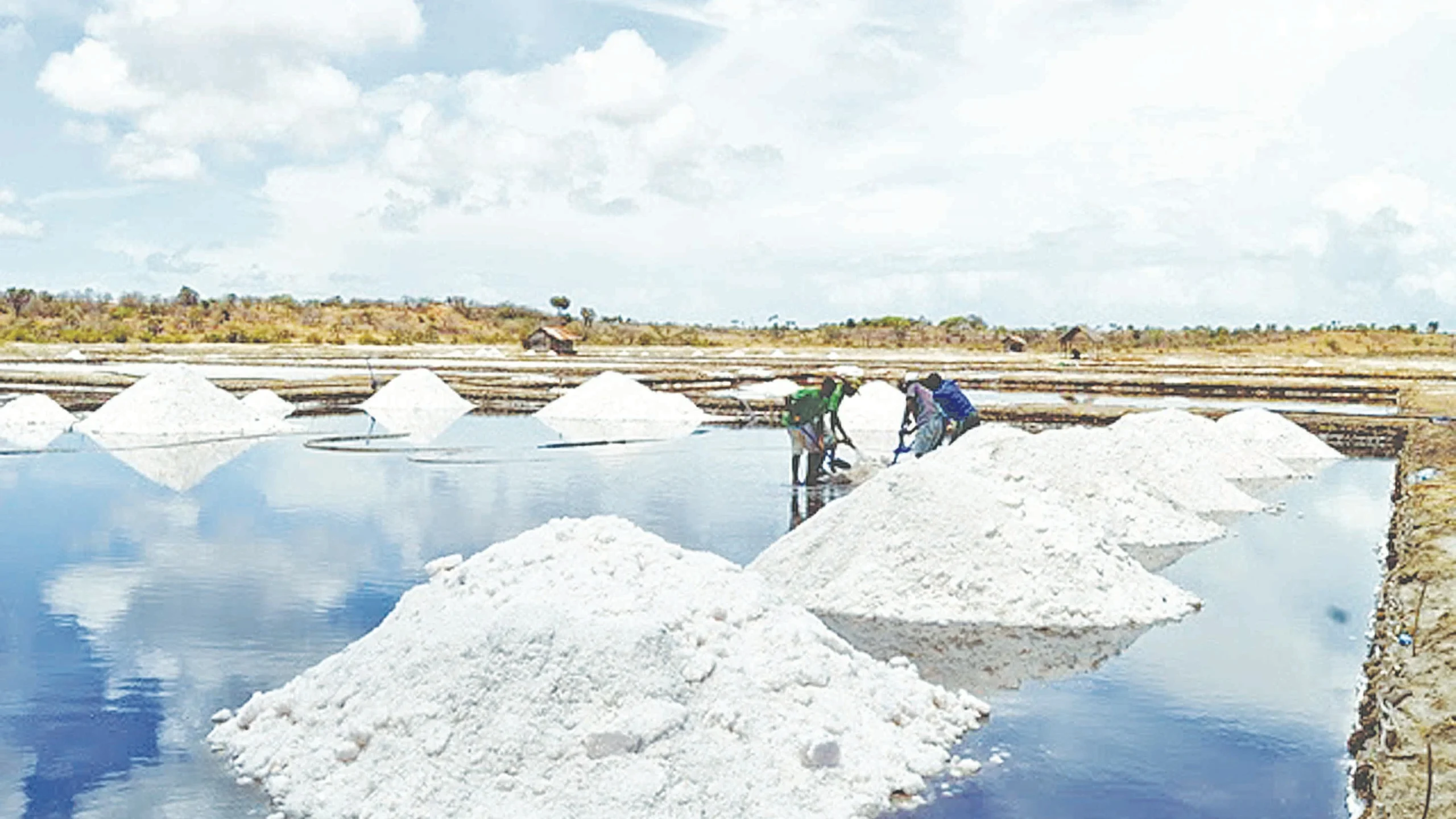
The Rural Energy Agency (REA) has constructed modern salt production infrastructure for women in Nsunsu Village, Iramba District, Singida Region, in a move expected to increase productivity, improve salt quality and boost household incomes.
The new infrastructure is expected to transform salt production, which has traditionally relied on conventional methods, by reducing production time and increasing the volume of salt produced by local women.
Speaking about the project, REA Director General Eng. Hassan Saidy said the Agency is continuing to invest in energy-based projects designed to stimulate productive activities, increase incomes and strengthen the economic well-being of people living in rural and peri-urban areas.
According to Saidy, improving access to energy and energy-related technologies can play an important role in enabling communities to move beyond traditional production methods and adopt more efficient approaches that increase output and create better economic opportunities.
Also Read: DAWASA Urges Businesses To Help Curb Water Loss
The Nsunsu project is therefore expected to provide women salt producers with improved working conditions while enabling them to produce larger quantities of higher-quality salt within a shorter period.
In another development, Saidy said the Government, through REA, plans to invest in 50 alternative charcoal-producing machines in different parts of the country during the current financial year.
The initiative is aimed at increasing access to cleaner cooking energy while reducing dependence on firewood and conventional charcoal, particularly among women who are often heavily involved in household energy use and small-scale productive activities.
Women salt producers in Nsunsu have expressed their appreciation to the Government through REA for investing in the project, saying the new infrastructure is expected to enable them to increase production, improve the quality of their products and raise household incomes.
The investment forms part of REA’s broader efforts to position energy as a driver of production and economic development in rural communities.
By supporting energy-related productive activities, the Agency seeks to enable rural residents to increase productivity, strengthen household incomes and improve their livelihoods while creating opportunities for communities to participate more effectively in local economic development.