MWE Correspondent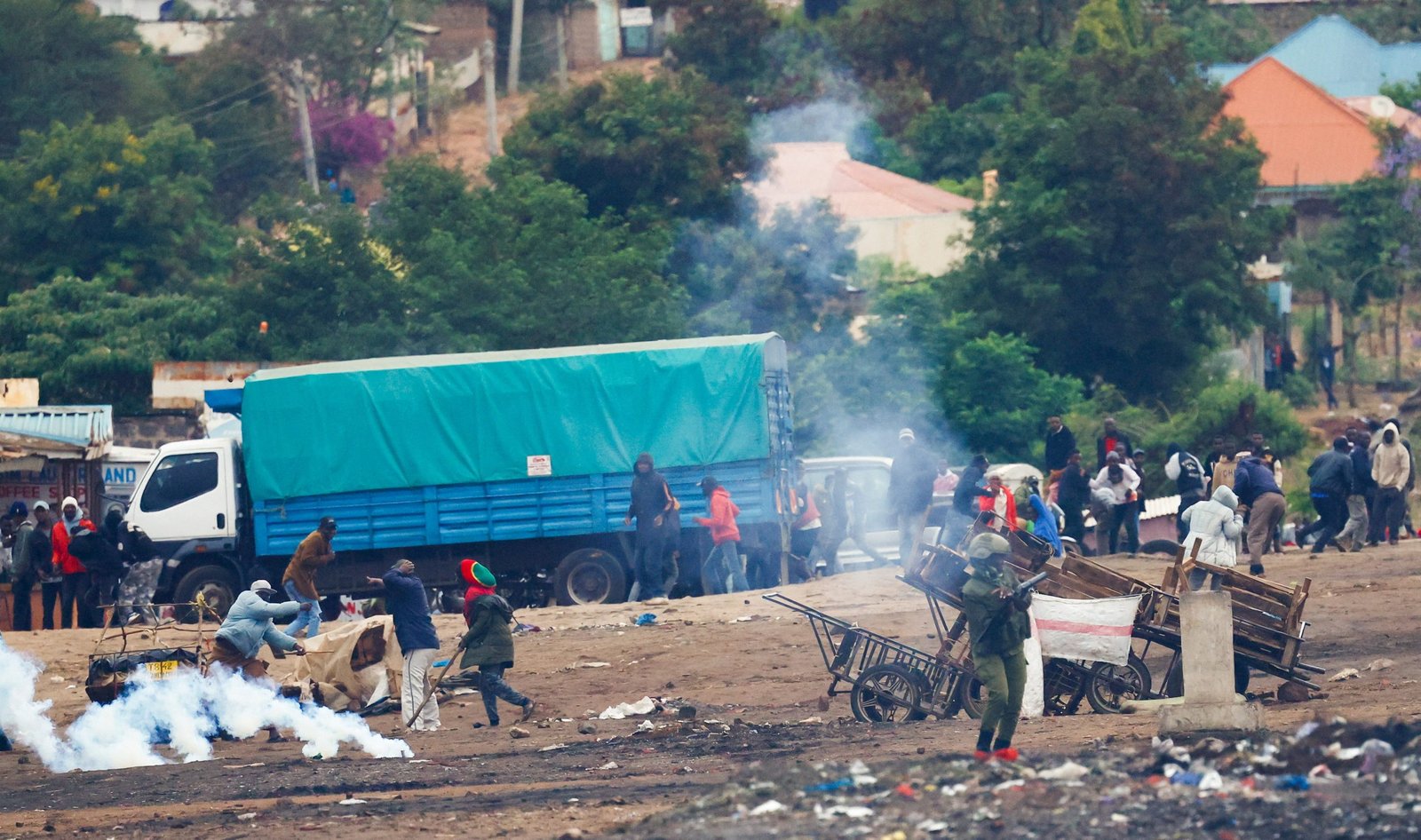
President Samia Suluhu Hassan of Tanzania emphasized a message of understanding and reconciliation as she opened the 13th Parliament in Dodoma.
She urged the country’s security forces to exercise restraint and allow freedom for young people who may have followed the crowd during the disturbances that erupted after the October 29 election. Many of these youth, she said, did not fully grasp the consequences of their actions.
“I call on you, my young people: if we your elders had acted like this, we wouldn’t be enjoying the good you now see,” she said. “Do not burn your own country. Do not cut off the branch of the tree where you yourselves are planted. Do not destroy the country you call your own.”
She further tasked the security agencies to carefully differentiate between those who instigated the unrest and those who may have been swept up in it inadvertently. At the same time, she appealed to all youth across the nation to become guardians of peace and refuse to participate in violence or actions that break the bond of national unity.
The disturbances followed the controversial 2025 general election on October 29, which was marred by widespread allegations of voting irregularities, exclusion of major opposition parties and subsequent protests in several cities. Security forces reported clashes, and human‑rights organisations warned of deaths and injuries.
In connection with her remarks, the President announced the formation of a special commission tasked with investigating the root causes of the unrest — from loss of life to property damage — and to inform future efforts at restoring trust and cohesion.
Also Read; Tanzania Appoints Mwigulu Nchemba as New Prime Minister
Her call to “let us pray for those who died in the unrest of October 29” underlines the seriousness with which the government is treating the episode. While she offered condolences to families who lost loved ones and strength to those who lost property, she also reiterated the importance of moving forward as one country, not divided by violent impulses.
The emphasis on youth is noteworthy. With Tanzania’s median age being very young, the President’s message places a clear responsibility on the nation’s younger generation — both as victims of circumstance and as agents of future peace. Her counsel carries more weight because it accepts that many participants in the unrest may not have acted out of malice, but out of following tides of emotion without full awareness of outcomes.
While the events cast a shadow over the electoral process, the government’s stated approach signals a shift toward addressing underlying grievances rather than pure containment. The commission’s findings will likely serve as an indicator of how this chapter will be written in Tanzania’s political history — whether reform takes root, or instability deepens.
The nation now stands at a crossroads: the challenge is to transform today’s call for peace into tomorrow’s reality. Tanzanian youth — the caretakers of the country’s stability — have been asked not to be spectators of destruction, but builders of unity.