MWE Correspondent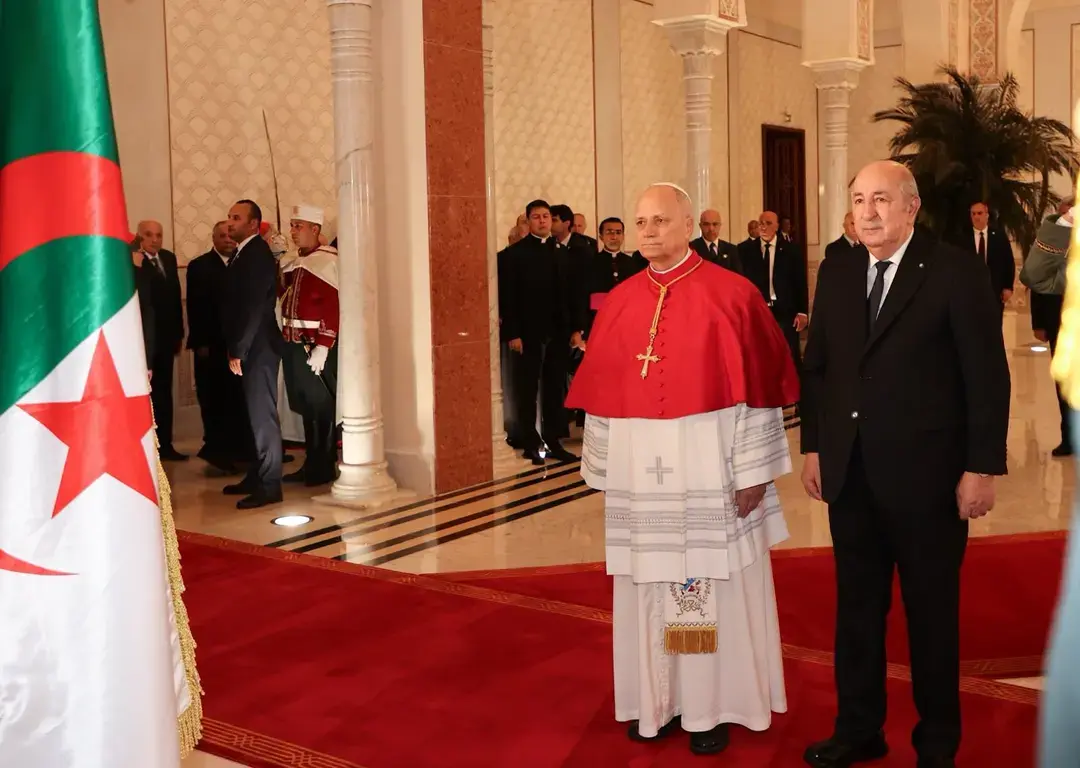
Pope Leo XIV’s historic visit to Algeria has generated widespread international attention, with analysts describing it as a defining moment for interfaith dialogue and a powerful reflection of Algeria’s growing diplomatic and geopolitical relevance.
The visit, which received extensive global media coverage, is being interpreted not only as a religious engagement but also as a symbolic diplomatic milestone highlighting Algeria’s position in regional and global affairs.
According to international relations scholar Assoc. Prof. Dr. Arben Cici of the Mediterranean University of Albania, the visit carries deep historical and spiritual significance. Writing in an analysis published by an international research institute, Cici described the event as one of the most important contemporary examples of interfaith engagement between Christianity and the Muslim world.
Cici, a former ambassador of Albania to Denmark, Croatia, and Russia, noted that the Pope’s decision to begin his Africa tour in Algeria reflects the country’s long-standing spiritual and historical importance. He emphasized that Algeria holds a unique place in religious history as the birthplace of Saint Augustine of Hippo, one of Christianity’s most influential theologians.
He further explained that Algeria’s strategic position strengthens its global importance. Situated at the crossroads of the Maghreb, Africa, and the Mediterranean, the country plays a key role in regional diplomacy and international relations.
Algeria is an active member of several major international organizations, including the African Union, the Arab League, and the Organisation of Islamic Cooperation. Analysts say this multi-dimensional engagement allows Algeria to act as a diplomatic bridge between Africa, the Islamic world, and Europe.
The country is also widely recognized for its foreign policy principles, which emphasize sovereignty, non-interference, and support for peaceful resolution of conflicts. Its historical experience with colonialism continues to shape its international stance and its advocacy for self-determination in global affairs.
Also Read; Gold Demand Rises As Stability Becomes Top Priority
Cici further described Algeria as a stabilizing force in the Maghreb and a key mediator in African and Mediterranean diplomatic efforts. He argued that the Pope’s visit reinforces Algeria’s reputation as a nation capable of fostering dialogue across religious and political divides.
The Vatican’s engagement with Algeria is also viewed as part of a broader effort to strengthen interfaith relations and promote peaceful coexistence between religious communities. Experts say such visits carry growing importance at a time when global tensions and divisions are increasing.
Observers note that the symbolic interaction between religious leadership and state diplomacy during the visit highlights the potential for faith-based dialogue to complement traditional international relations.
While no formal agreements were announced during the visit, analysts believe its long-term impact lies in its symbolic message of unity, respect, and cooperation.
As global discussions continue, Algeria’s role in shaping interfaith and diplomatic narratives is expected to remain in focus, particularly in relation to its position as a regional and international mediator.