Joseph Isangura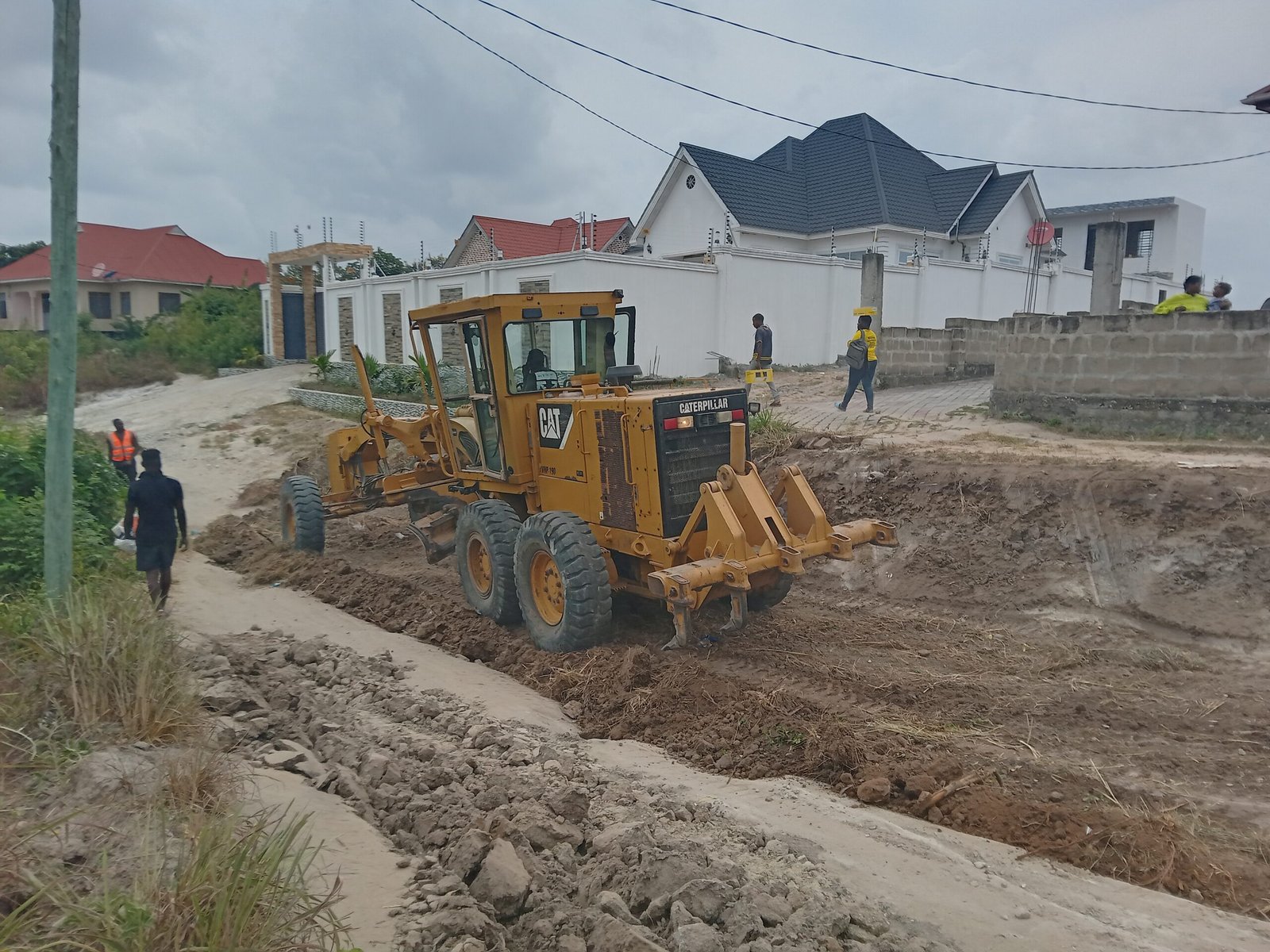
Life in Dar es salaam moves quickly, but in some neighborhoods, everyday travel has long depended on the condition of small, often forgotten streets.
In Kinyerezi Ward, residents say they are finally beginning to feel a practical shift as Phase Two “oparesheni Fungua Mitaa” the local road rehabilitation drive gains momentum.
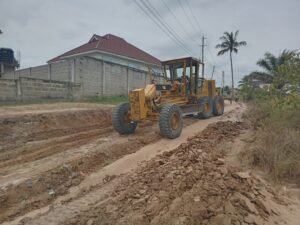
On February 17, 2026, four streets were worked on in a single day, including Obama Street and Kifuru Street. For many families, this was not just another routine government activity. It was a visible sign that promises made during past community meetings are slowly turning into action on the ground.
In recent years, poor road conditions have made it difficult for schoolchildren to arrive on time during the rainy season. Motorcycle riders and drivers have struggled with deep ruts and muddy patches, while small traders transporting goods have faced frequent delays. The ongoing road rehabilitation efforts are focused on leveling surfaces, laying gravel, and improving drainage so that roads remain passable throughout the year.
Ward leaders describe the second phase as a continuation of earlier progress, which covered several streets and reduced mobility challenges in key areas. This time, the emphasis is on completing the remaining sections that were left unfinished in the first round. According to local officials, better road infrastructure directly supports small businesses, improves emergency access, and strengthens the overall local economy.
The Ward Councillor, And Also Deputy Mayor John Ryoba Mrema has encouraged community members and stakeholders to support the initiative in any way they can, whether by contributing gravel, fuel for construction machinery, or other basic materials. The approach, leaders say, reflects a belief that lasting development is built not only through public funding but also through shared responsibility.
Beyond roads, residents have also noted gradual improvement in water access. While supply has not yet reached every household consistently, many say availability is better than it was a few years ago. Local authorities maintain that further collaboration with utility providers is underway to strengthen distribution networks and stabilize service.
For longtime residents, the transformation is still a work in progress. Yet there is a sense of cautious optimism. Streets that once became nearly impassable after heavy rainfall are now being reshaped. Children walk to school with less difficulty. Traders report smoother movement of goods. These changes, though incremental, are reshaping daily life in meaningful ways.
As Phase Two continues, many in Kinyerezi believe the true success of the initiative will depend on sustained effort and cooperation. If momentum is maintained, residents say their ward could gradually become an example of how focused local action can improve living standards within Tanzania’s largest city.