MWE Correspondent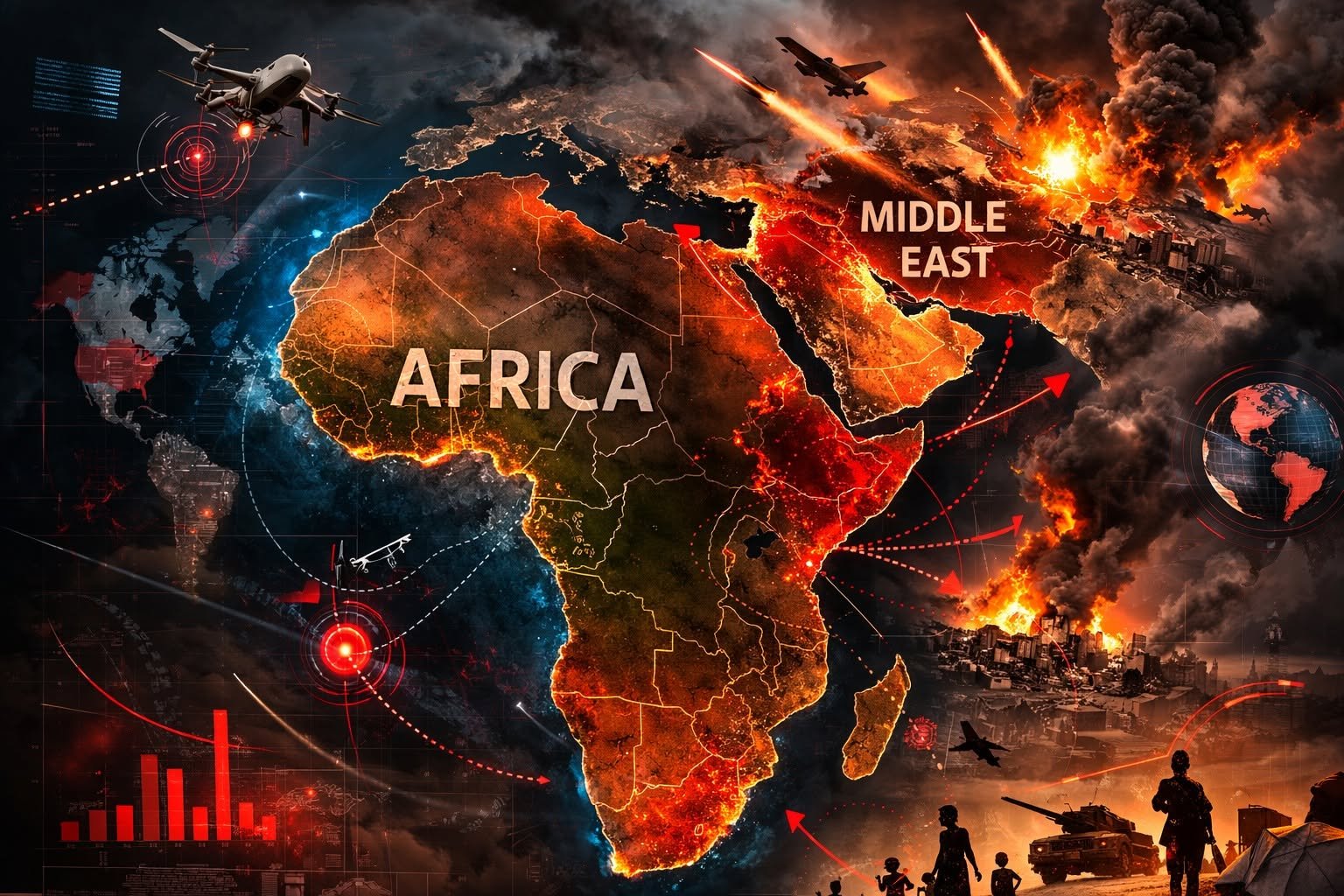
The ongoing conflict in the Middle East is exposing Africa’s vulnerability to global energy shocks, with disruptions around the Strait of Hormuz pushing up oil prices, shipping costs and the wider cost of doing business across the continent.
The crisis has renewed a long-standing question for African governments: How can the continent reduce its dependence on imported fuel and build greater energy security?
The Strait of Hormuz is one of the world’s most important energy routes. Disruptions to shipping through the waterway have significantly reduced tanker traffic and raised concerns over global oil supplies. On August 20, oil prices were trading near their highest levels in weeks, with Brent crude reaching about $91.97 a barrel amid continued uncertainty over supplies.
For Africa, the impact is particularly significant because many economies remain heavily dependent on imported crude oil and refined petroleum products. The International Monetary Fund has warned that oil-importing economies in Africa and Asia are finding it increasingly difficult to secure supplies, even at higher prices.
Higher Fuel Costs, Higher Living Costs
When international oil prices rise, the consequences extend far beyond petrol stations.
Higher fuel costs increase the price of transporting food and other goods, raise production costs for businesses and can contribute to inflation. Airlines, manufacturers, farmers and logistics companies can all face higher operating expenses.
For countries that rely heavily on imported fuel, the situation can also put pressure on foreign-exchange reserves as governments and businesses spend more dollars to secure energy supplies.
The United Nations has warned that the Middle East conflict has already created significant economic challenges for developing countries, particularly through higher energy and food costs.
Africa Cannot Remain an Oil Importer Forever
The current crisis should serve as a wake-up call for African governments to reduce the continent’s structural dependence on imported energy.
Africa has significant oil and gas reserves, yet many countries still import large quantities of refined petroleum products because of inadequate refining capacity.
The continent therefore needs to move beyond simply producing or exporting crude oil and invest more aggressively in refineries, fuel storage facilities, pipelines, ports and regional energy infrastructure.
The experience of the current crisis has already demonstrated the importance of diversification. Analysts have argued that Africa imports too much fuel and fertilizer from regions over which it has little influence, leaving its economies exposed whenever geopolitical tensions disrupt global trade.
Build Strategic Fuel Reserves
African countries should also consider expanding strategic petroleum reserves that can provide temporary protection during major international supply disruptions.
Adequate reserves would give governments more time to find alternative suppliers instead of being forced to purchase fuel at extremely high prices during a crisis.
Regional cooperation could make such systems more effective. Countries within the EAC, SADC, ECOWAS and other regional blocs could explore joint purchasing arrangements, shared storage facilities and coordinated emergency fuel supplies.
Also Read: Africa Pushes For Greater Control Of Critical Minerals
Invest in Local Refining
Increasing refining capacity should be another priority.
Instead of exporting crude oil and importing expensive refined products, African countries can capture more value by processing petroleum locally.
Recent developments demonstrate the potential of this approach. Countries with growing refining capacity can play a greater role in supplying regional markets when international supply chains are disrupted.
For Tanzania and East Africa, investment in refining, storage and transport infrastructure could strengthen regional energy security while creating industrial opportunities and jobs.
Accelerate Renewable Energy
Oil independence does not necessarily mean replacing imported oil with domestically produced oil alone.
Africa also has enormous potential in solar, wind, hydropower, geothermal and other renewable energy sources.
Expanding these sources would reduce pressure on imported petroleum, particularly in electricity generation and other sectors where alternatives are technically and economically viable.
A diversified energy system combining oil, natural gas and renewable energy would make African economies more resilient to international crises.
Tanzania’s Opportunity
For Tanzania, the current crisis provides an opportunity to rethink long-term energy security.
The country can strengthen its position by investing in fuel storage, natural gas, renewable energy, transport infrastructure and regional energy trade.
Tanzania’s strategic location on the Indian Ocean also gives it an opportunity to become an important energy and logistics hub for East and Central Africa.
But achieving that ambition will require long-term planning, reliable infrastructure, efficient regulation and investment that prioritizes both economic growth and energy security.
A Wake-Up Call for Africa
The Middle East conflict is a reminder that African economies can be affected by wars taking place thousands of kilometres away.
Africa cannot control geopolitical tensions in the Middle East, but it can control how vulnerable its economies are to their consequences.
Reducing dependence on imported fuel, increasing local refining capacity, building strategic reserves, expanding renewable energy and strengthening regional energy cooperation could help the continent withstand future global energy shocks.
The lesson is clear: Africa’s energy security cannot depend entirely on what happens in foreign oil markets. The continent must increasingly build, process, store and trade more of its own energy.