MWE Correspondent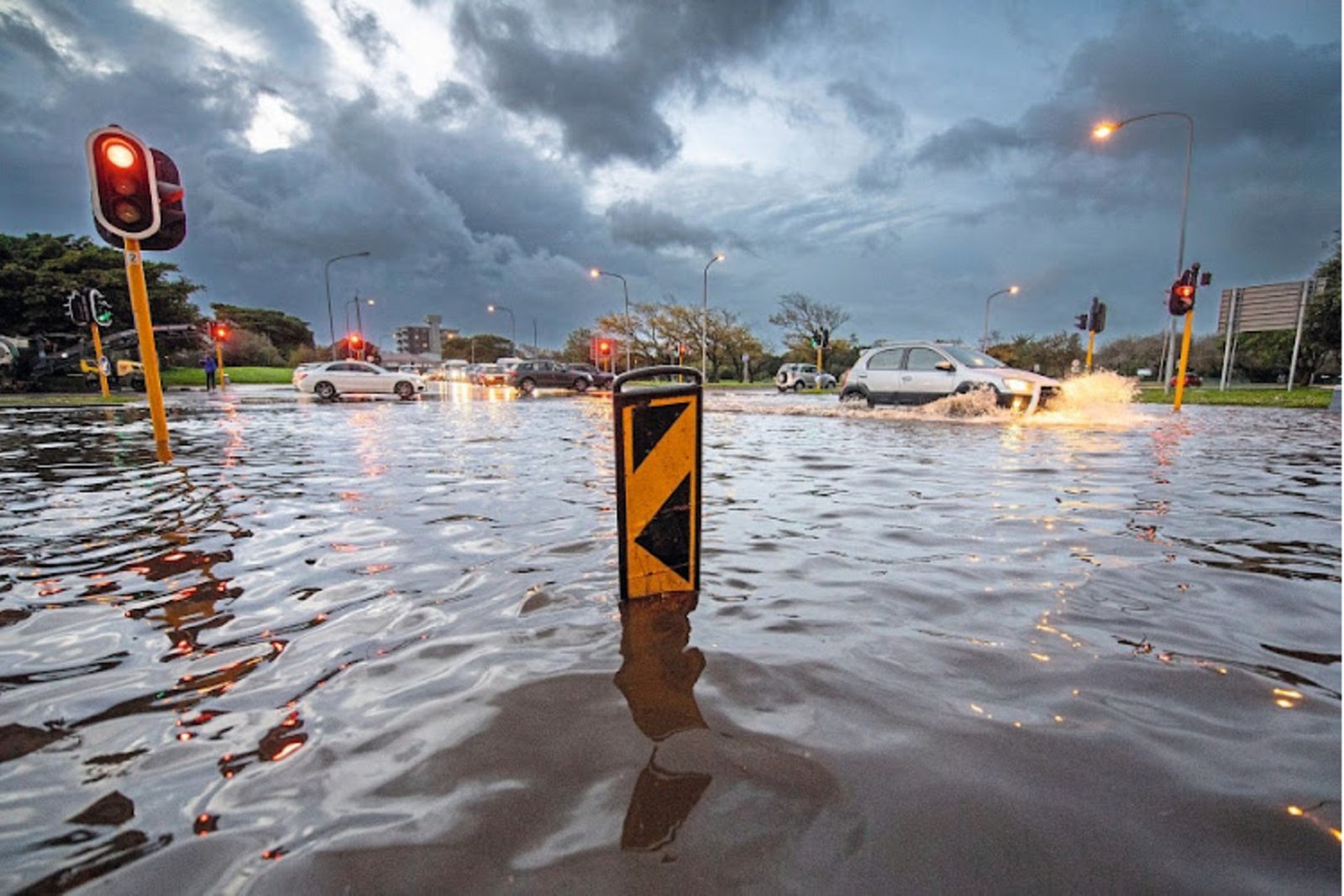
About six regions in Tanzania, including Dar es Salaam, are expected to receive normal to above-normal rainfall during the upcoming Masika season (March–April–May 2026), raising concerns over flooding and potential outbreaks of waterborne diseases, weather experts have warned.
The Tanzania Meteorological Authority (TMA) Director General, Dr Ladislaus Chang’a, made the announcement while briefing journalists on the March–April–May (MAM) Masika rainfall outlook. He noted that the seasonal rains are likely to begin in March and continue until May or June 2026.
Dr Chang’a identified regions expected to experience above-normal rainfall, including Kagera and Geita in the northwest, as well as parts of the northern coast such as Tanga and Morogoro. Similar rainfall conditions are forecast for the Coast Region and the islands of Mafia, Unguja, and Pemba.
“Periods of excessive moisture and flooding may occur and affect crop growth, particularly in areas expected to receive normal to above-normal rainfall,” Dr Chang’a said, highlighting the potential risks to agriculture if farmers are unprepared.
The TMA chief also warned that the heavy rains may lead to outbreaks of vector-borne and waterborne diseases, as water contamination is likely to increase during periods of flooding. He urged residents, especially those living in low-lying and flood-prone areas, to take precautionary measures to minimise the impact of possible flooding and related health risks.
Also Read; Tanzania Wins Uganda Support for UN Council Seat
In addition to the health warnings, Dr Chang’a advised farmers, livestock keepers, and agricultural extension officers to regularly consult reliable weather and climate information provided by district and ward authorities. He emphasised that timely and accurate data is critical for planning planting, irrigation, and harvesting schedules, as well as for protecting livestock from extreme weather conditions.
“Community preparedness and timely information are key to reducing losses caused by floods and ensuring food security during the Masika season,” he said, urging all stakeholders to remain vigilant and proactive.
The seasonal outlook comes as part of TMA’s broader effort to improve weather forecasting and climate information dissemination across Tanzania, aiming to help communities, farmers, and local authorities adapt effectively to changing weather patterns and mitigate risks associated with extreme rainfall events.