MWE Correspondent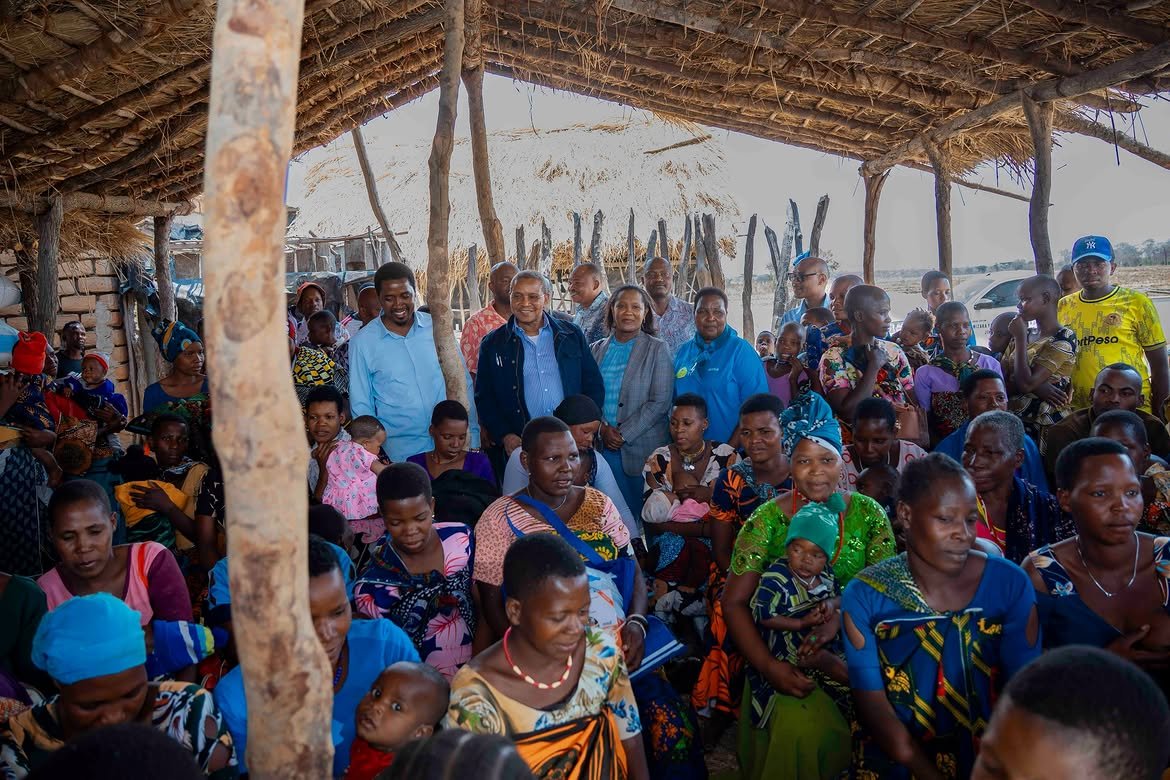
Former Tanzanian President Jakaya Mrisho Kikwete has begun a four-day working visit to Tabora Region, inspecting the implementation of the Safer Communities Project being carried out by the Jakaya Mrisho Kikwete Foundation (JMKF) in partnership with the government.
On the first day of his visit on September 13, 2026, Dr Kikwete travelled to Ipembe Hamlet in Kiloli Ward, Sikonge District Council, where he assessed the progress of initiatives designed to improve access to essential social services for communities in remote areas.
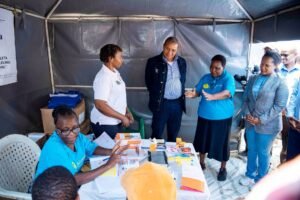
Kikwete, who is the founder and Chairman of the Board of Trustees of JMKF, visited a mobile clinic serving residents in surrounding communities before inspecting the newly constructed Ipembe Dispensary and two houses built for health workers.
The investments are intended to bring essential healthcare services closer to residents who have historically had to travel long distances to access treatment.
The new health infrastructure is expected to improve access to basic medical services, maternal and child healthcare, antenatal services and other primary healthcare interventions for people living in Ipembe and neighbouring communities.
Kikwete was accompanied during the visit by Deputy Minister in the President’s Office – Regional Administration and Local Government (PO-RALG), Dr Jafar Seif; Deputy Permanent Secretary in the same office, Professor Tumaini Nagu; and other regional and district leaders from Tabora and Sikonge.
The Safer Communities Project reflects JMKF’s broader efforts to work with public institutions and local communities in addressing challenges that affect people living in underserved areas.
Also Read: Tanzania’s Wider Immigration Crackdown
The Ipembe investment comes against the backdrop of Tanzania’s continuing efforts to expand primary healthcare infrastructure and reduce geographical barriers to accessing medical services.
For many rural communities, distance remains an important factor affecting timely access to healthcare, particularly for pregnant women, children and people requiring regular medical attention.
The construction of dispensaries and staff houses can help address two connected challenges: bringing services closer to communities while also creating better conditions for health workers to serve in rural areas.
The government has continued to prioritise strengthening primary healthcare as part of its wider health-sector agenda, while partnerships with foundations and development organisations have provided additional support for infrastructure, equipment and community-based interventions.
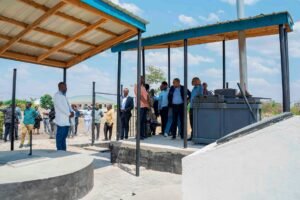
The JMKF initiative in Sikonge therefore demonstrates how collaboration between government institutions and non-governmental organisations can complement public investment in essential services.
Beyond the physical construction of the dispensary, the inclusion of a mobile clinic is significant because it allows healthcare services to reach residents in communities that may still be located far from permanent health facilities.
As Tanzania continues to invest in rural development, initiatives that combine permanent health infrastructure with outreach services could play an important role in ensuring that improvements in healthcare access reach communities in remote and underserved locations.
Kikwete’s Tabora visit is expected to continue with inspections of other activities under the Safer Communities Project and engagements with local leaders and communities as he assesses the impact of the programme on residents.