MWE Correspondent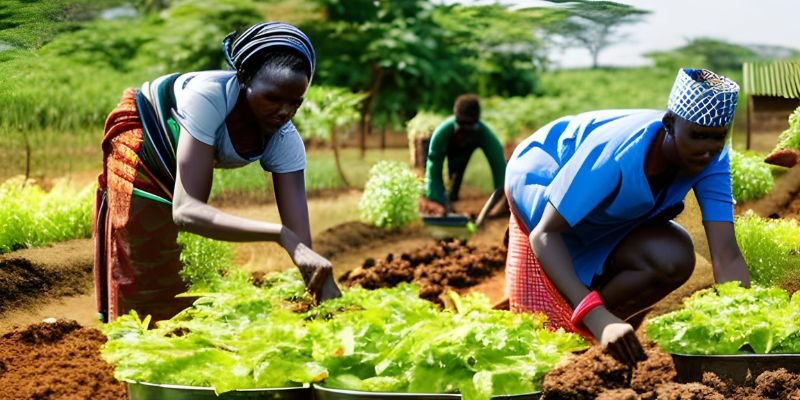
The Kenyan government has announced a broad set of measures aimed at protecting more than two million people who are at risk of hunger as a severe drought continues to affect wide parts of the country.
The prolonged dry spell, which has spread across at least 32 counties, has disrupted farming, strained water supplies and weakened livelihoods, particularly in arid and semi-arid regions. Officials say the situation has left many households struggling to meet basic food needs, prompting the government to step in with urgent support while also accelerating long-term solutions.
Under the new response plan, authorities are prioritising immediate relief for the most vulnerable communities. Emergency food assistance is being expanded alongside cash-transfer programmes to help families buy essential supplies. In areas where water scarcity has become critical, water trucking and the rehabilitation of boreholes are being intensified to ensure access to safe drinking water for both people and livestock.
Beyond short-term relief, the government says the current crisis has reinforced the need to tackle the deeper causes of recurring drought-related hunger. A renewed focus has been placed on adapting to climate change, which scientists and policymakers agree is making droughts more frequent and unpredictable across East Africa. Investments are being directed toward water harvesting projects, irrigation schemes and climate-smart farming methods designed to help farmers produce food even when rainfall is unreliable.
Pastoralist communities, who are often among the hardest hit during droughts, are also receiving targeted support. Veterinary services are being strengthened, while programmes providing livestock feed aim to prevent widespread animal losses that can devastate household incomes. Early-warning systems are being improved so that authorities and communities can respond faster when conditions begin to deteriorate.
Also Read; Dangote Deepens Dispute With Nigeria Fuel Regulators
Nutrition remains a central concern, particularly for children, pregnant women and the elderly. Health and social welfare agencies are scaling up nutrition programmes to address rising cases of malnutrition, which typically increase during prolonged dry periods. Officials say protecting these groups is essential to preventing long-term health and developmental consequences.
Coordination with county governments has been identified as a key pillar of the response. Local administrations are expected to play a leading role in identifying at-risk populations and ensuring assistance reaches those who need it most. At the same time, partnerships with humanitarian organisations and development partners are being strengthened to close funding gaps and improve delivery on the ground.
Kenya has faced repeated drought emergencies in recent years, highlighting persistent challenges around food security and economic resilience. Analysts warn that without sustained investment and careful planning, millions of people will continue to face hunger whenever weather patterns shift.