Joseph Isangura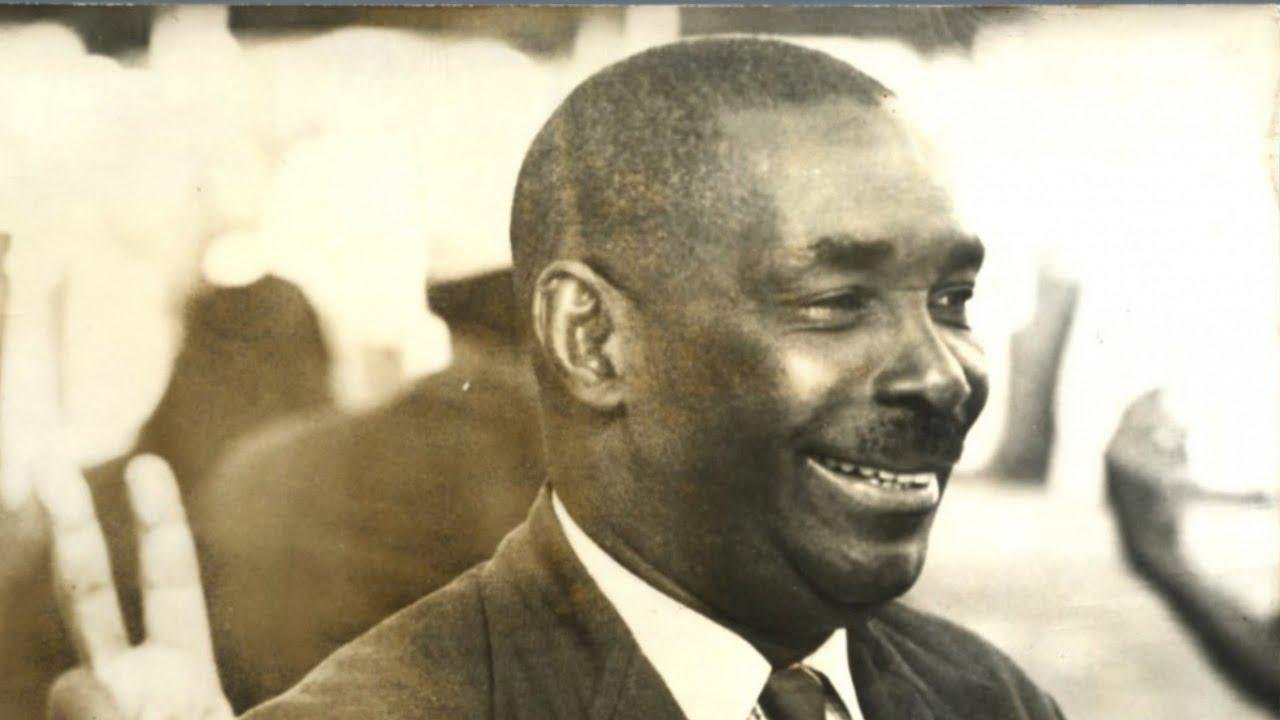
Tanzania marks Karume Day on April 7, the nation once again turns its attention to the enduring legacy of Sheikh Abeid Amani Karume, a leader whose name remains inseparable from the history of Zanzibar and the foundation of modern Tanzania.
More than five decades after his assassination in 1972, Karume is still remembered not only as a revolutionary figure, but as a man of discipline, conviction, and state-building at a defining moment in East African history.
Sheikh Abeid Amani Karume was not a politician of glamour or empty rhetoric. He was a practical nationalist whose leadership was built on firmness, directness, and an unwavering belief that political power should uplift ordinary citizens. Born in 1905, Karume rose from modest beginnings and became a central force in Zanzibar’s anti-colonial struggle through the Afro-Shirazi Party, which represented the aspirations of the African majority in an era of deep social and political imbalance.
His defining political moment came after the Zanzibar Revolution of January 12, 1964, which brought an end to the Sultanate and dramatically altered the islands’ political future. In the aftermath of that upheaval, Karume became the first President of Zanzibar. Yet his true test began after the revolution, when the task shifted from seizing power to building order, institutions, and a functioning government in a fragile and divided society.
Also Read: Africa Builds Stronger Shields Against Financial Colonialism
Karume governed with a stern hand, and history remembers him as a leader who valued discipline over popularity. His administration pushed policies that expanded access to education, healthcare, housing, and land redistribution, especially for ordinary Zanzibaris who had long been excluded from economic opportunity. Supporters viewed him as a defender of social justice and African dignity. Critics, however, also described his leadership as highly centralized and uncompromising. Still, even those who disagreed with his methods often acknowledged that he governed with clear purpose and a strong sense of mission.
Karume’s place in national history became even more significant in 1964 when Zanzibar united with Tanganyika to form the United Republic of Tanzania. That union, formalized on April 26 of the same year, made Karume the first Vice President of Tanzania, serving alongside Mwalimu Julius Nyerere. In that role, he became one of the principal architects of the Union that continues to define the Tanzanian state today.
He was widely known for a leadership style rooted in action rather than ceremony. Karume believed that a leader must work, decide, and remain close to the realities of the people. That image — austere, disciplined, and unshaken — has kept his memory alive across generations.
His life came to a sudden and tragic end on April 7, 1972, when he was assassinated in Zanzibar Town while still in office. His death shocked the nation and transformed him from a powerful sitting leader into a lasting national symbol. Today, Karume Day remains a public holiday in Tanzania, observed every April 7 in honor of his life and sacrifice.
Across Zanzibar and the mainland, the day is marked by official tributes, public remembrance, and renewed reflection on unity, leadership, and the difficult choices that shaped the nation’s early years. Karume’s legacy endures not because he was without controversy, but because he helped build the political foundation of a country that still stands.