MWE Correspondent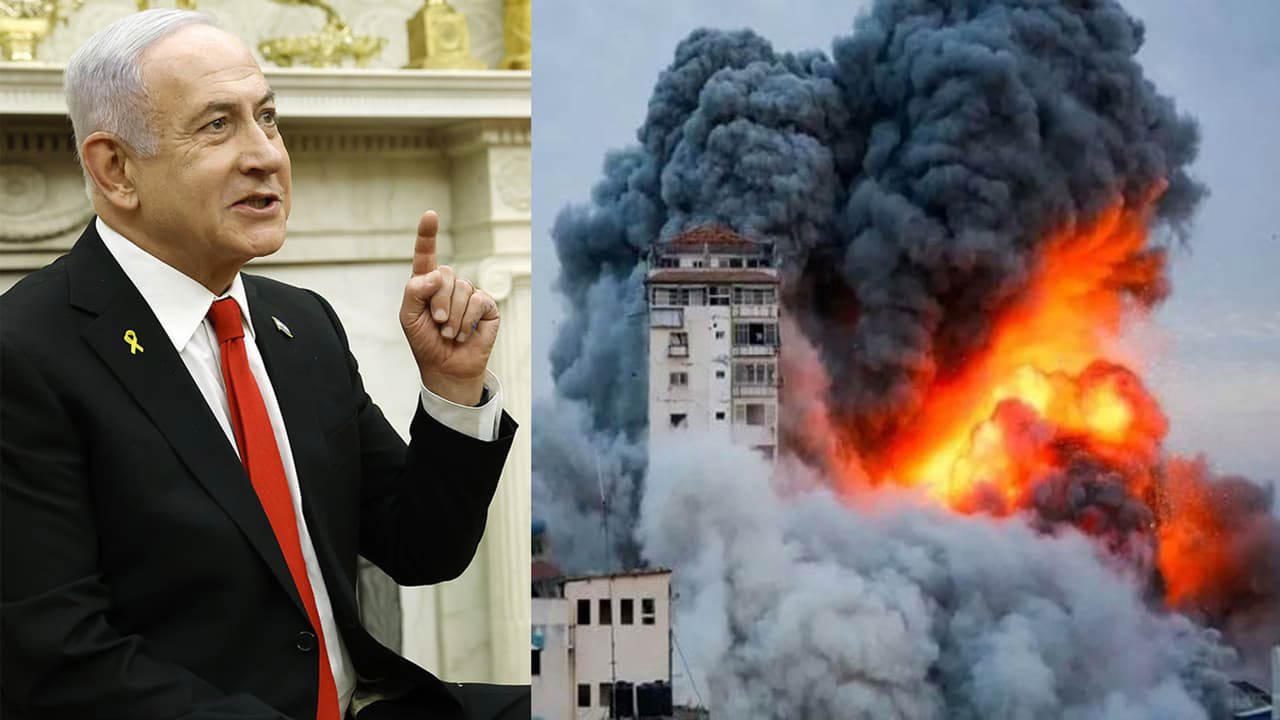
Rising tensions in the Middle East have taken a sharper turn after Israel signaled that it would take decisive action against any future Iranian leader who continues policies perceived as hostile toward the Jewish state.
The statement reflects the deepening geopolitical divide between Israel and Iran, a rivalry that has shaped regional politics for decades.
Israeli officials said the country remains prepared to respond firmly to any leadership in Tehran that advances strategies aimed at harming Israel or destabilizing its security. The warning comes as diplomatic relations between the two countries remain non-existent, with both sides frequently exchanging strong rhetoric and accusations.
The conflict between Israel and Iran has long been rooted in strategic, political and ideological differences. Since the late twentieth century, tensions have been fueled by disagreements over regional influence, security concerns and competing alliances across the Middle East. Analysts say the rivalry has increasingly influenced diplomatic alignments, security strategies and economic policies throughout the region.
In its latest remarks, Israel also stressed that it would continue working closely with the United States in confronting what it describes as threats posed by Iran’s military and political ambitions. The partnership between Washington and Jerusalem has historically played a major role in shaping security policies across the Middle East and in strengthening regional alliances.
Observers note that the latest comments come at a time when geopolitical tensions remain high, with multiple conflicts and political disputes continuing to reshape the balance of power in the region. Israel has repeatedly expressed concern over Iran’s expanding influence and its relationships with several political and military actors across the Middle East.
Political analysts believe the statements are part of a broader strategy aimed at deterrence. By issuing strong warnings publicly, Israeli leaders seek to signal their readiness to respond to perceived threats while reinforcing alliances with key international partners.
Also Read; Does This Trial Mark the End of Tundu Lissu’s Political Journey
Some policymakers in Israel argue that sustained international pressure could limit Iran’s ability to expand its influence beyond its borders. Others believe that economic challenges and diplomatic isolation may eventually influence internal political debates within Iran itself.
However, many international observers caution that strong rhetoric between rival states can heighten tensions if not balanced by diplomatic engagement. Several global leaders and diplomatic institutions have repeatedly called for restraint and renewed dialogue to prevent further instability in the Middle East.
The international community continues to monitor the situation closely. Governments in Europe, Asia and Africa have emphasized the need for diplomatic solutions that prioritize regional stability and reduce the risk of wider confrontation.
Experts say the relationship between Israel and Iran has historically been characterized by indirect confrontation rather than open warfare. Intelligence activities, cyber operations and strategic political messaging have often defined the rivalry between the two nations.
As the geopolitical landscape continues to evolve, the coming months are expected to play a significant role in determining whether tensions ease through diplomatic channels or intensify amid growing strategic competition.