MWE Correspondent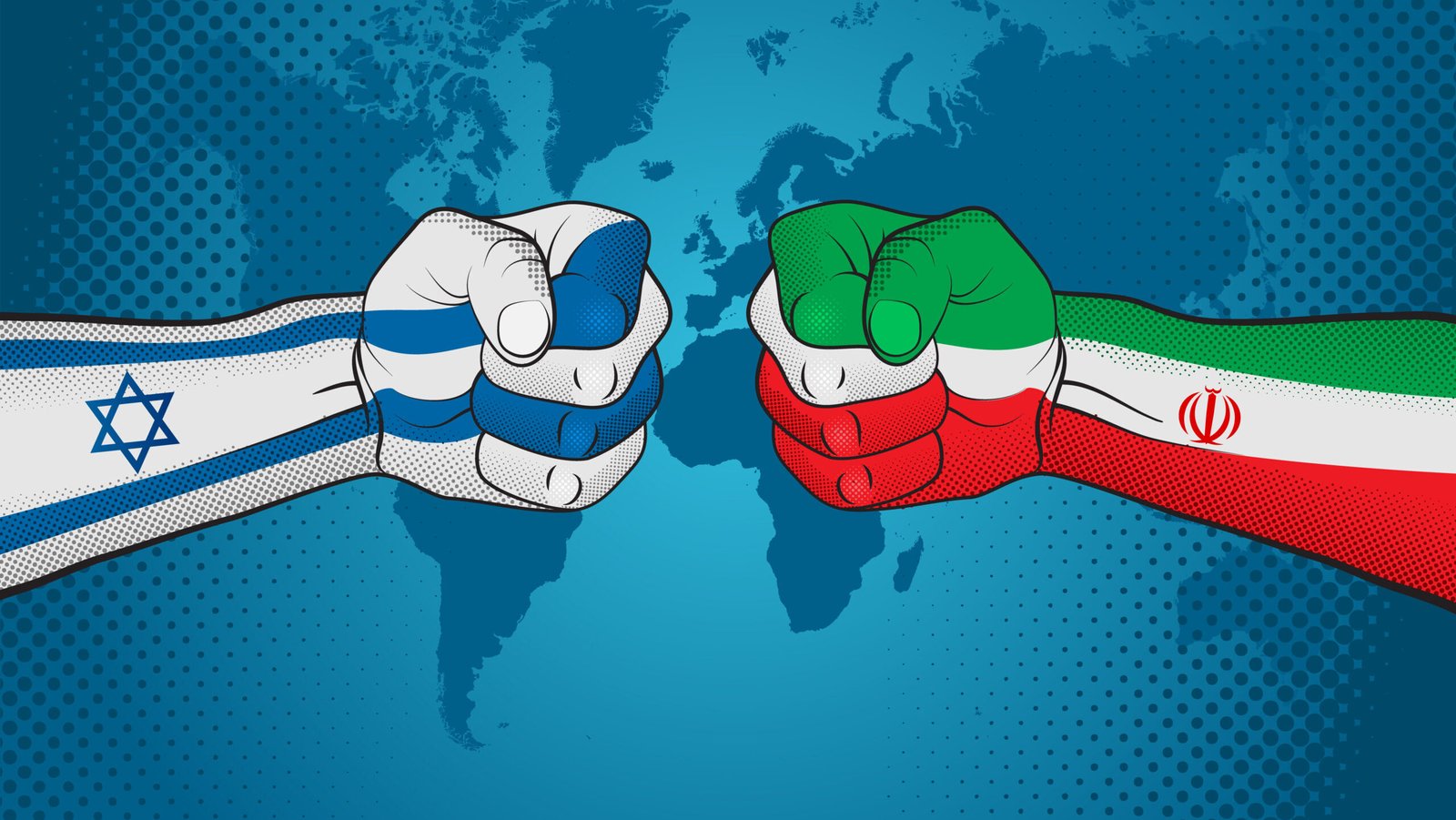
A potential breakthrough in negotiations between the United States and Iran is emerging as one of the most consequential geopolitical developments in the Middle East, raising a critical question that could reshape the region’s balance of power: What comes next for Israel?
As Washington and Tehran continue efforts to reach a diplomatic understanding over Iran’s nuclear program, Israeli leaders are closely monitoring developments that could redefine the security architecture of the region for years to come. Any agreement between the two longtime adversaries would not only affect Iran’s international standing but could also force Israel to reassess its military, diplomatic, and strategic calculations.
For decades, Israel has viewed Iran’s nuclear ambitions as one of the greatest threats to its national security. Successive Israeli governments have argued that preventing Tehran from acquiring nuclear weapons is a matter of national survival. As a result, any agreement negotiated without addressing Israeli concerns could trigger significant political and security debates within the country.
Supporters of diplomacy argue that a robust agreement could reduce regional tensions, strengthen international monitoring of Iran’s nuclear activities, and lower the risk of a broader military confrontation. Such an outcome could provide greater stability in a region that has witnessed repeated crises, proxy conflicts, and escalating rivalries.
Also Read: Ruto Defends Controversial US Ebola Facility
Yet skepticism remains strong among many Israeli policymakers and security experts. Critics fear that a deal perceived as too lenient could provide Iran with economic relief and increased regional influence while leaving unresolved questions about its long-term nuclear capabilities. These concerns have fueled calls for stricter safeguards, enhanced inspections, and stronger enforcement mechanisms.
The stakes extend far beyond Israel and Iran. The Middle East remains a vital crossroads for global energy markets, international trade routes, and strategic military alliances. A successful agreement could ease tensions that have periodically threatened regional stability and global economic confidence. Conversely, failure to address key security concerns could deepen mistrust and create new diplomatic challenges.
For the administration of U.S. President Donald Trump, any breakthrough would represent a major foreign-policy achievement, potentially altering diplomatic dynamics across the region. For Iran, an agreement could open the door to greater economic opportunities and reduced international isolation. For Israel, however, the outcome may present a more complex strategic dilemma.
Israeli leaders would likely face a choice between cautiously adapting to a new diplomatic reality or intensifying efforts to secure additional guarantees from Washington and its allies. Security cooperation, intelligence sharing, missile defense programs, and regional partnerships could all assume greater importance in the event of a landmark accord.
Across the Middle East, governments are watching closely. Arab states, international investors, and global powers recognize that the outcome of U.S.-Iran negotiations could influence everything from energy prices to regional security arrangements. The decisions made in the coming months may shape not only relations between Washington and Tehran but also the future geopolitical landscape of an increasingly volatile region.
As negotiations continue, one reality is becoming increasingly clear: if the United States and Iran succeed in reaching a historic agreement, Israel will find itself at a strategic crossroads, confronting choices that could define the next chapter of Middle Eastern politics.