MWE Correspondent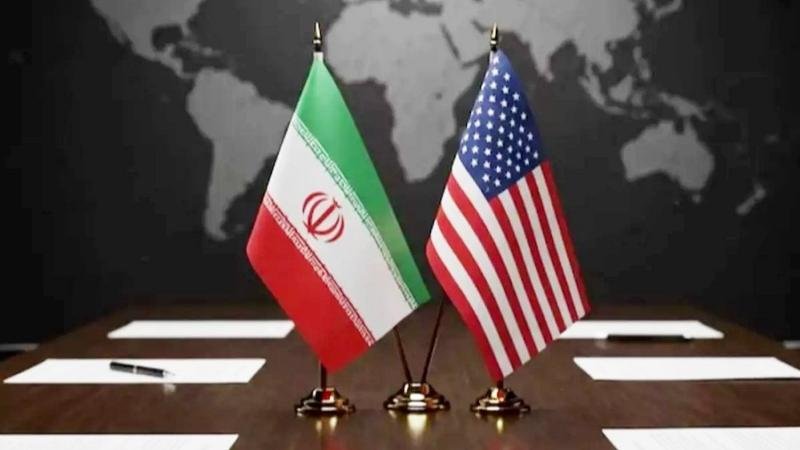
Hopes for a lasting peace agreement between Iran and the United States have weakened significantly after former U.S. President Donald Trump described the ongoing ceasefire with Iran as being “on life support,” following Tehran’s rejection of a U.S. proposal aimed at ending escalating hostilities.
According to Trump, the latest response from Iranian authorities was dismissive and uncooperative, with the former president saying the document sent by Tehran was “garbage” and that he “did not even finish reading it.” His remarks highlight the deepening diplomatic breakdown between the two sides, despite earlier efforts to stabilize the situation.
The United States had reportedly proposed a phased agreement that would begin with a full ceasefire before moving into broader negotiations on contentious issues, including Iran’s nuclear program and regional military activities. However, Iran has insisted on a wider set of conditions before any lasting peace deal can be reached.
Among Tehran’s demands are an end to military operations across multiple fronts, including in Lebanon, where U.S.-backed Israel is engaged in ongoing conflict with Hezbollah forces. Iran has also emphasized its sovereignty over the strategic Strait of Hormuz, a critical global oil transit route, while calling for the lifting of naval restrictions and compensation for war-related damages.
The situation has further complicated an already fragile ceasefire, which reportedly began on April 7 but remains under intense strain due to continued mistrust and competing strategic interests.
Trump warned that the ceasefire could collapse if diplomatic progress is not made quickly, suggesting that the situation is now at its weakest point since the truce began. His comments come amid rising international concern that renewed fighting could destabilize the broader Middle East.
Also Read; Kenya–France Seal 11 Mega Deals in Nairobi Push
Markets reacted sharply to the uncertainty, with Brent crude oil prices climbing above $104.50 per barrel in early Asian trading. Analysts attribute the spike to fears that prolonged tensions could further disrupt energy supply routes, particularly through the Strait of Hormuz, through which nearly one-fifth of global oil and liquefied natural gas shipments pass.
The conflict has already placed significant pressure on global energy markets since hostilities escalated earlier this year, with shipping routes and regional trade flows increasingly affected.
The United States, led in foreign policy discussions by the administration’s diplomatic and security teams, continues to push for a negotiated settlement, though officials acknowledge that significant gaps remain between the two sides.
Meanwhile, regional actors including Israel and Iran-aligned groups such as Hezbollah remain deeply involved in the broader conflict dynamics, further complicating any peace efforts.
As diplomatic tensions rise and energy markets react, international observers warn that the next phase of negotiations will be critical in determining whether the ceasefire holds or collapses entirely, potentially expanding instability across the region.