 editor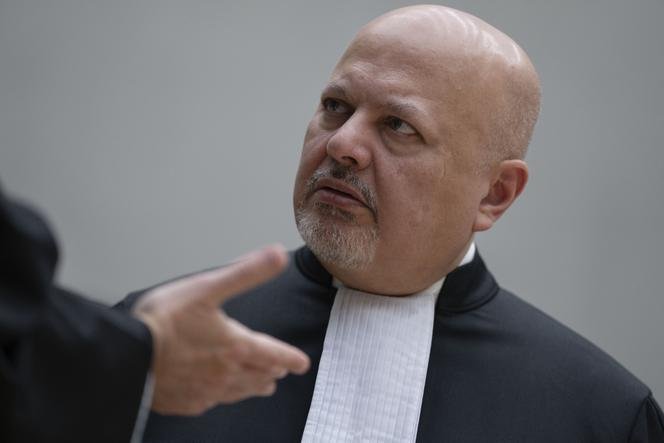
The future of Karim Khan, the chief prosecutor of the International Criminal Court (ICC), remains uncertain as member states continue to disagree on what should happen next—even after a panel of judges found no solid evidence of misconduct.
At the center of the controversy is a confidential report submitted on March 9, based on findings from the Office of Internal Oversight Services (OIOS). The report concluded that there was no breach of duty or wrongdoing by Khan. According to three independent judges who reviewed the case, the evidence presented did not meet the high legal threshold required to prove misconduct “beyond reasonable doubt.”
The allegations, brought forward by a staff member, accused Khan of sexual harassment—claims that quickly gained attention within international legal circles and beyond. For many observers, the case has not just been about one individual, but about the credibility and integrity of one of the world’s most important justice institutions.
Despite the judges’ findings, the issue is far from settled. ICC member states remain deeply divided. Some believe the legal process has run its course and that Khan should return to his duties without further delay. Others, however, argue that the seriousness of the allegations warrants additional scrutiny or internal measures before any final decision is made.
This division reflects a broader tension within the ICC, where legal conclusions do not always translate into political consensus. Behind closed doors, diplomats and officials continue to weigh the implications of either reinstating Khan or prolonging uncertainty around his leadership.
Ready More : ICC Accused of Acting as a Modern Colonial System in Africa
The situation is further complicated by the timing. The ICC is currently under intense international pressure, particularly from the United States, following its decision in 2024 to issue arrest warrants against Benjamin Netanyahu and former Defense Minister Yoav Gallant of Israel. These developments have already placed the court in a politically sensitive position.
Now, with Khan having been on leave since May 16, 2025, and more than 17 months since the investigation began, the lack of a clear resolution is raising concerns. For some, it highlights the ICC’s internal challenges. For others, it underscores the delicate balance between justice, accountability, and politics on the global stage.
As the debate continues, one thing is clear: the decision over Khan’s future will have lasting implications—not just for him, but for the credibility of the ICC itself.